Summary
Antarctica is the only continent on Earth that has no cities, no permanent residents, and no native human population. While thousands of scientists and workers visit the area every year, they only stay for a short time before returning home. The environment is too harsh for normal life because of the extreme cold, lack of food sources, and massive ice sheets. This frozen land remains a place for research rather than a place for people to build homes and stay forever.
Main Impact
The main reason humans cannot live in Antarctica permanently is that the continent does not support basic survival. Unlike other parts of the world, there is no soil to grow food and no natural wood or stone easily available for building. Every person living there depends entirely on supplies brought in by ships or planes from other countries. If those supply lines stopped, human life on the continent would not last long. This makes the area a "polar desert" where nature is in total control.
Key Details
What Happened
For hundreds of years, explorers have tried to understand Antarctica. While they successfully reached the South Pole and set up research stations, they quickly learned that the land is not meant for permanent stay. The weather is the biggest obstacle. Winds can blow as fast as a hurricane, and the air is so dry that it can cause health problems. Because the continent is covered in thick ice, there is no way to build the kind of infrastructure, like roads or power grids, that a city needs to function over many decades.
Important Numbers and Facts
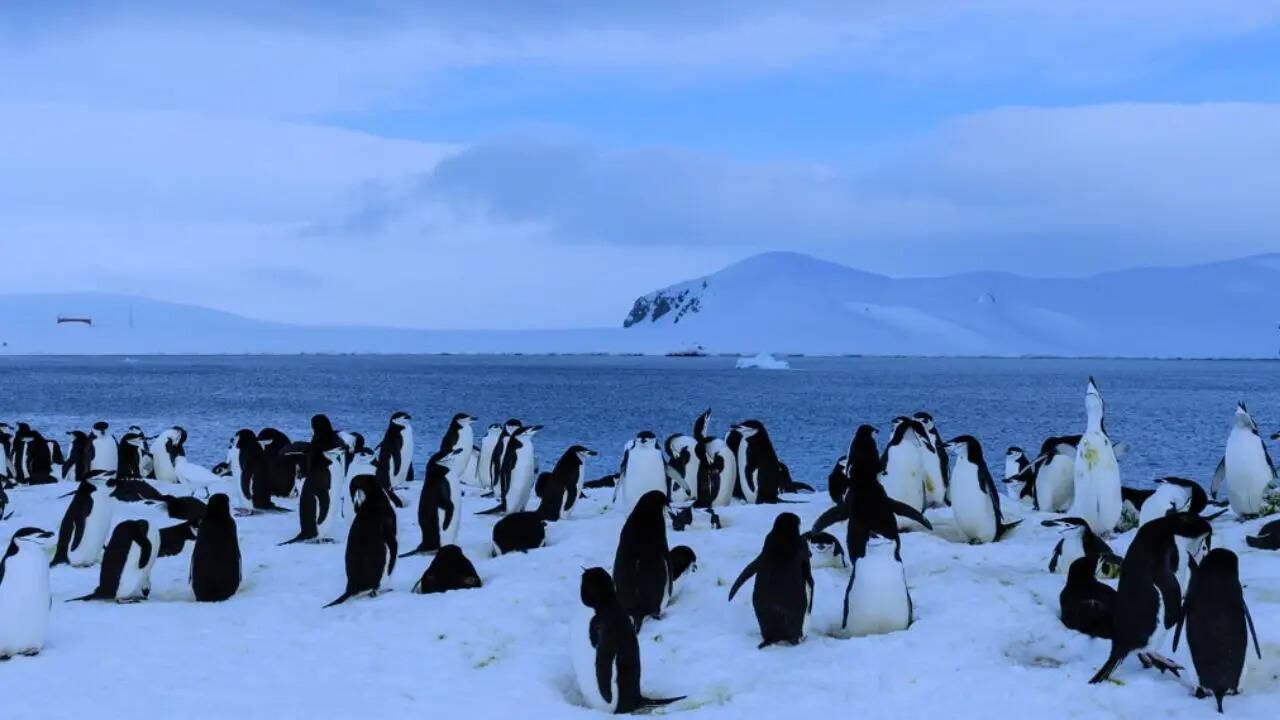
The facts about Antarctica show just how difficult the environment is for humans. About 98% of the continent is covered by ice, which is more than a mile thick in many places. Temperatures have been recorded as low as -89.2 degrees Celsius, which is much colder than a home freezer. During the summer, about 5,000 people live there to do scientific work, but that number drops to around 1,000 during the dark winter months. There are no trees, no bushes, and the only animals that stay are those like penguins and seals that are built to handle the freezing water.
Background and Context
Antarctica is unique because it does not belong to any single country. In 1959, many nations signed the Antarctic Treaty. This agreement says that the continent should only be used for peaceful purposes and scientific study. It bans military activity and mining for minerals or oil. This legal setup is another reason why there are no cities. Since no one owns the land, no one can sell it or build private houses. The focus has always been on keeping the area clean and natural so that scientists can study the Earth's history through the old ice.
Public or Industry Reaction
The scientific community views Antarctica as a giant laboratory. They use the ice to learn about how the climate has changed over thousands of years. Environmental groups are very protective of the area and worry that too many visitors could hurt the local wildlife. While some companies have talked about the idea of "ice tourism," most people agree that the continent should stay empty of permanent buildings. The general public often sees Antarctica as a mysterious and dangerous place that is best left to the experts and the animals that belong there.
What This Means Going Forward
As the world gets warmer, the ice in Antarctica is melting at a faster rate. This is a major concern for the whole planet because it causes sea levels to rise. However, even if the ice melts, the continent will likely remain empty of cities. The ground underneath the ice is often rocky or underwater, making it hard to build on. Also, the extreme cycle of six months of total sunlight followed by six months of total darkness makes it very hard for the human body to stay healthy and happy for a long time. The rules of the Antarctic Treaty will likely stay in place to prevent countries from fighting over the land.
Final Take
Antarctica is a reminder that some parts of our planet are not meant for human control. It is a place that demands respect because of its power and its silence. While technology allows us to visit and study the ice, the lack of food, warmth, and sunlight means it will never be a place we call home. Keeping it as a protected space for science is the best way to ensure it stays helpful for the rest of the world.
Frequently Asked Questions
Can you buy land in Antarctica?
No, you cannot buy land there. Under the Antarctic Treaty, no country owns the continent, and private land sales are not allowed.
Do babies get born in Antarctica?
A very small number of babies have been born at research stations, mostly as part of claims by countries like Argentina and Chile, but there are no hospitals for regular births.
What do people eat in Antarctica?
People eat food that is frozen, dried, or canned and brought in from other countries. Some stations have small indoor gardens to grow a few fresh vegetables, but it is not enough to feed everyone.