Summary
Anganwadi workers and helpers from various parts of India are preparing for a major protest at Jantar Mantar in New Delhi on April 21. These workers are the backbone of the country’s rural childcare and nutrition system, yet they have faced long-standing issues regarding their pay and job status. The upcoming demonstration aims to pressure the government to provide better wages, social security, and official recognition as permanent employees. This event marks a significant moment in the ongoing struggle for labor rights among community health and education workers.
Main Impact
The planned protest is expected to draw thousands of women to the capital, which could disrupt local traffic and draw national attention to the plight of grassroots workers. If the government chooses to address their demands, it could lead to a massive shift in the national budget for child development services. On the other hand, a lack of response might lead to further strikes, potentially affecting the delivery of essential health and nutrition services to millions of children and pregnant women across rural India.
Key Details
What Happened
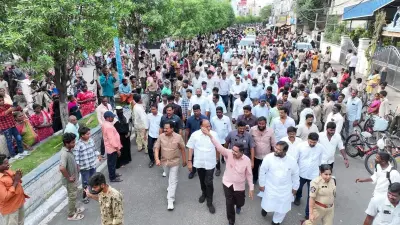
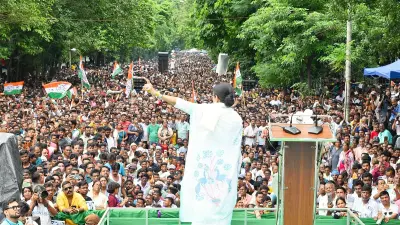
Unions representing Anganwadi workers have called for a "dharna," or sit-in protest, to take place this Tuesday. The workers plan to gather at Jantar Mantar, a well-known site for public demonstrations in New Delhi. They are traveling from different states to show a united front. Their primary goal is to speak directly to central government authorities about their working conditions. They argue that while they perform essential duties for the state, they are treated as "volunteers" rather than full-time staff.
Important Numbers and Facts
There are approximately 1.3 million Anganwadi centers across India, employing nearly 2.5 million workers and helpers. Currently, most of these workers receive a monthly "honorarium" rather than a standard salary. In many states, this amount ranges from 5,000 to 10,000 rupees per month, which workers say is not enough to cover basic living costs. The protesters are demanding a minimum monthly wage of 26,000 rupees and a pension of at least 10,000 rupees for retired staff. The protest on April 21 is timed to coincide with discussions regarding the upcoming fiscal policies and labor law updates.
Background and Context
The Anganwadi system was started in 1975 as part of the Integrated Child Development Services (ICDS) program. Its goal is to fight child hunger and provide basic education to children under six years old. Anganwadi workers are also responsible for tracking the health of pregnant women and providing immunizations. During the COVID-19 pandemic, these workers were on the front lines, going door-to-door to distribute food and medicine. Despite this vital role, they do not receive the same benefits as regular government employees, such as health insurance, paid leave, or retirement funds. This has led to years of frustration and repeated protests in various state capitals.
Public or Industry Reaction
Labor unions and women’s rights groups have come out in strong support of the April 21 protest. They argue that the government relies on the "cheap labor" of women to run its most important social programs. Some social activists have pointed out that the current pay is below the legal minimum wage in many regions. Meanwhile, government officials have often cited budget constraints as the reason for not increasing pay. However, the public perception is shifting, with more people recognizing the hard work these women do in difficult conditions. Many citizens have expressed support on social media, calling for the government to treat these workers with more respect.
What This Means Going Forward
The outcome of this protest could go one of two ways. If the government offers a concrete plan to increase wages or provide better benefits, it could stabilize the ICDS program and improve the quality of care for children. If the demands are ignored, the unions have threatened to stop work indefinitely. This would be a major problem for the government’s health goals, as there is no other workforce capable of reaching the remote areas that Anganwadi workers cover. In the coming weeks, all eyes will be on the Ministry of Women and Child Development to see if they will meet with union leaders for negotiations.
Final Take
Anganwadi workers are more than just helpers; they are the foundation of India’s public health system in rural areas. Their demand for fair pay and job security is a call for the government to value the work of women who care for the nation's future. As they gather at Jantar Mantar, their message is clear: they want to be recognized for the essential service they provide every day. A fair resolution is necessary not just for the workers, but for the millions of families who depend on them.
Frequently Asked Questions
Why are Anganwadi workers protesting on April 21?
They are protesting to demand higher monthly pay, better working conditions, and recognition as permanent government employees with full benefits like pensions.
What is an Anganwadi worker's main job?
They provide basic healthcare, nutrition, and preschool education to children in rural villages and urban slums. They also support pregnant and nursing mothers.
Where is the protest taking place?
The protest is scheduled to take place at Jantar Mantar in New Delhi, which is a traditional spot for public demonstrations and political gatherings.