Summary
Andhra Pradesh is currently facing a wave of panic buying at petrol stations across several districts. Chief Minister N. Chandrababu Naidu has stepped in to manage the situation, ordering officials to provide status reports every three hours. While long lines have formed in cities like Visakhapatnam and regions like Rayalaseema, the government insists there is no actual shortage of fuel. Authorities are urging the public to stop rushing to pumps, as the sudden surge in demand is the main cause of temporary stock-outs.
Main Impact
The most immediate impact of this situation is the visible congestion at fuel stations. In many parts of the state, commuters are waiting for hours to fill their tanks, which has led to traffic jams and general public anxiety. This rush has put an immense strain on local petrol pumps that usually handle a steady flow of customers. When hundreds of people try to buy fuel at the same time, the local storage tanks run dry before the next delivery truck can arrive. This creates a cycle of fear where people see a closed station and believe the entire state has run out of fuel.
Key Details
What Happened
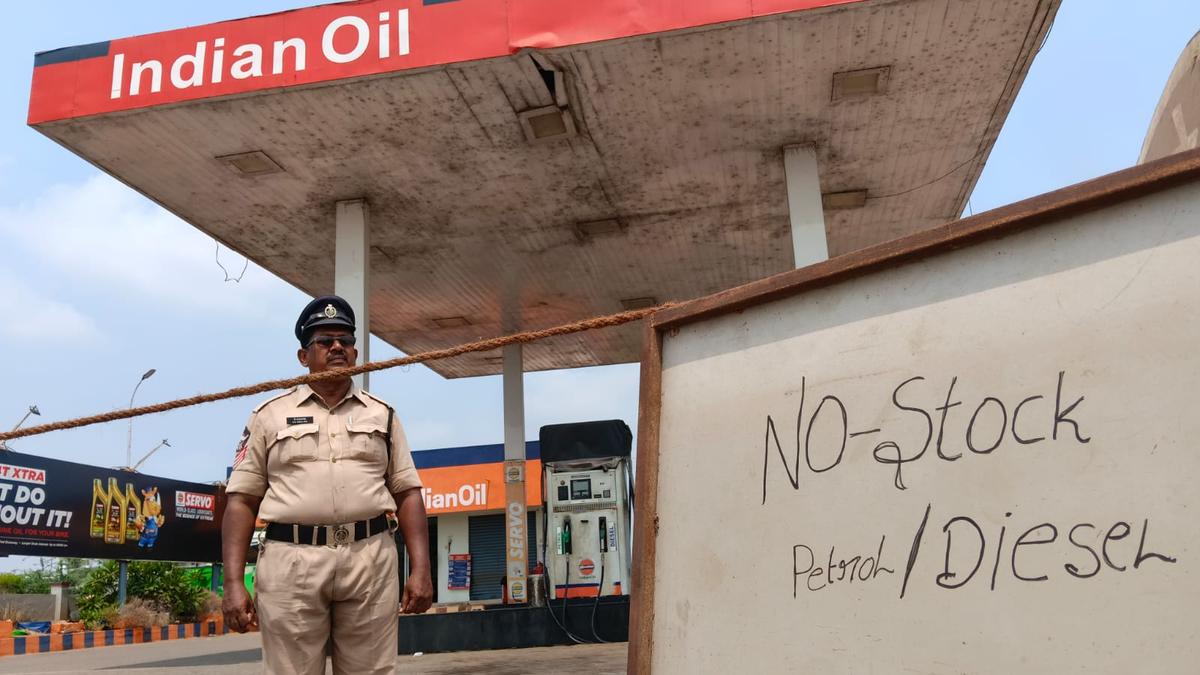
The trouble began when rumors of a fuel shortage started spreading in various districts. This led to a sudden rush at petrol bunks in Visakhapatnam, Anantapur, and the Rayalaseema region. As the crowds grew, many stations had to put up "no stock" boards, which only made the public more worried. To handle the growing concern, Chief Minister Naidu held a high-level meeting with officials. He directed district collectors and the civil supplies department to monitor the movement of fuel tankers closely. The government is now tracking the stock levels at every single station to ensure that fuel reaches areas where demand is highest.
Important Numbers and Facts
The Chief Minister has set a strict schedule for monitoring, requiring updates every three hours from district authorities. This level of oversight is meant to catch any supply gaps before they become serious problems. Officials from the oil marketing companies have confirmed that there is enough petrol and diesel in the main storage depots. They noted that the current issue is not about the total amount of fuel available in the state, but rather the speed at which it can be moved from depots to local stations to keep up with the unexpected rush.
Background and Context
Fuel supply chains are designed to work on a predictable schedule. Most petrol stations receive new stock based on their average daily sales. When a rumor of a shortage spreads, people who might normally wait a few days to refuel all go to the station at once. This is known as panic buying. In simple terms, the system is like a water tank that is being filled by a small pipe but emptied by a very large one. Even if there is plenty of water in the main reservoir, the local tank will run dry if everyone turns on their taps at the same time. Andhra Pradesh has seen similar situations in the past during strikes or transport delays, and officials are using those experiences to manage the current rush.
Public or Industry Reaction
The public reaction has been a mix of frustration and worry. Many daily wage earners and delivery drivers expressed concern that they might lose their income if they cannot find fuel for their vehicles. On the other hand, industry experts and oil company representatives have been vocal about the fact that supplies are steady. They have asked people to trust official statements rather than social media rumors. Local police have also been deployed at several busy petrol pumps to manage the crowds and prevent any arguments or chaos as people wait in line.
What This Means Going Forward
In the coming days, the government will focus on restoring public confidence. The three-hourly reports will help the administration identify which specific stations are running low so they can prioritize those locations for new deliveries. If the public returns to their normal buying habits, the long lines are expected to disappear within 24 to 48 hours. The government is also looking into the source of the rumors to prevent similar scares in the future. For now, the priority is keeping the transport trucks moving and ensuring that emergency services like ambulances have priority access to fuel.
Final Take
The current fuel "crisis" in Andhra Pradesh appears to be a problem of logistics and public perception rather than a true lack of resources. With the government taking a hands-on approach and monitoring the situation every few hours, the supply chain should stabilize quickly. The fastest way to end the long lines is for the public to stay calm and buy only the fuel they actually need for their daily travel.
Frequently Asked Questions
Is there a real shortage of petrol and diesel in Andhra Pradesh?
No, officials and oil companies have stated that there is plenty of fuel in the main storage depots. The current problem is caused by too many people trying to buy fuel at the same time.
Why are some petrol pumps closed?
Some stations have temporarily run out of stock because they sold their entire daily supply in just a few hours. They will reopen as soon as the next delivery truck arrives.
What is the government doing to fix the situation?
Chief Minister Naidu has ordered officials to provide reports every three hours. The government is working with oil companies to speed up deliveries to the busiest areas and manage the crowds at stations.