
Summary
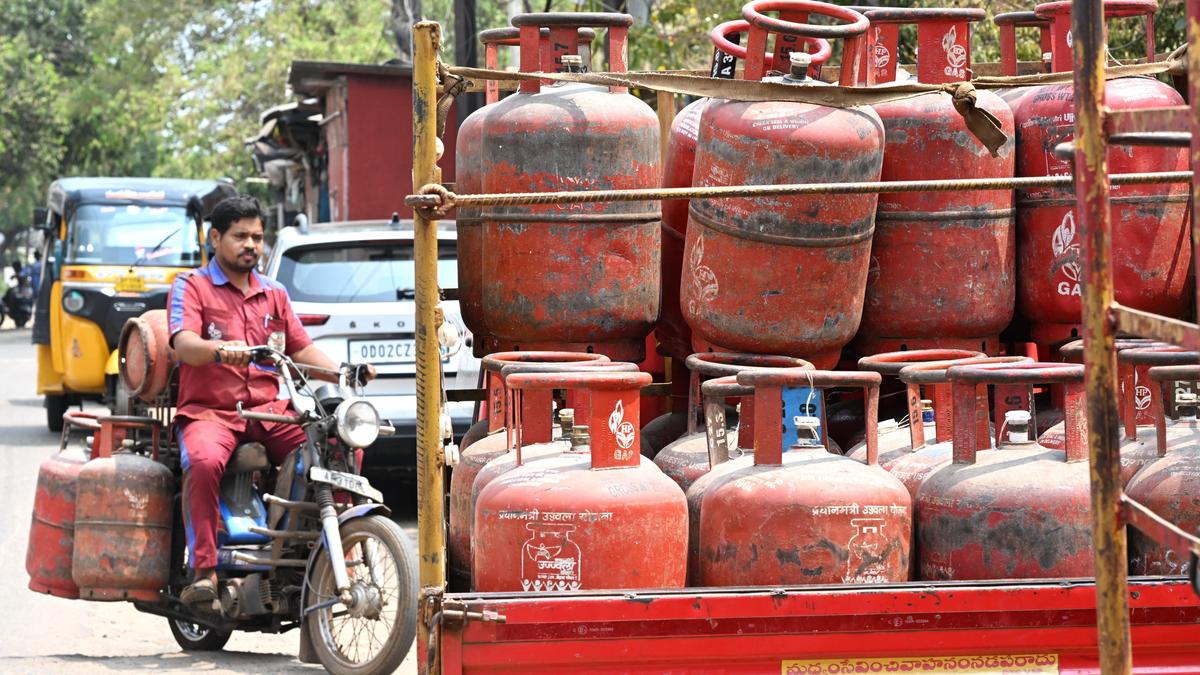
Rising political and military tensions in the Gulf region have started to affect the supply of Liquefied Petroleum Gas (LPG) in Andhra Pradesh. While government officials reassure the public that there is enough cooking gas for households for nearly a month, the commercial sector is already facing challenges. Shipping delays near the Strait of Hormuz are causing uncertainty in the arrival of new stocks, leading to restrictions on gas refills for businesses like hotels and restaurants.
Main Impact
The primary impact of this supply chain disruption is being felt by the state’s hospitality industry. Many hotel owners and small food business operators have reported that they are unable to get their commercial gas cylinders refilled as quickly as usual. Gas distribution agencies are reportedly prioritizing domestic users to prevent a shortage in homes, which has left commercial users waiting in long queues or facing limits on how many cylinders they can buy.
Key Details
What Happened
The trouble started when shipping routes in the Middle East became unstable due to increasing conflict. The Strait of Hormuz, a narrow but vital waterway for global energy transport, has seen a slowdown in tanker movement. Since India relies heavily on imports from this region for its LPG needs, any delay in the Gulf quickly reaches Indian ports. In Andhra Pradesh, this has translated into a cautious approach by oil marketing companies who are now managing their existing inventory more strictly.
Important Numbers and Facts
According to recent reports from energy officials, the current stock of domestic LPG in Andhra Pradesh is sufficient to last for about 25 to 30 days. This buffer is intended to protect regular families from immediate shortages. However, the commercial sector does not have the same level of protection. Some distributors have noted a 15% to 20% drop in the regular supply of commercial-grade cylinders. If the shipping issues continue beyond the next three weeks, the pressure on domestic supplies could also increase.
Background and Context
LPG is a critical fuel for both cooking and industrial work in India. The country does not produce enough gas to meet its own needs, so it buys a large amount from countries in the Middle East. These shipments must travel through the Gulf and pass through specific water channels that are currently sensitive due to international disputes. When these channels are threatened, insurance costs for ships go up, and some vessels choose longer, slower routes to stay safe. This creates a gap between when the gas is ordered and when it actually arrives at the bottling plants in Andhra Pradesh.
Public or Industry Reaction
The reaction from the business community has been one of concern. Hotel associations in cities like Visakhapatnam and Vijayawada have expressed fears that a prolonged shortage could lead to higher food prices. If businesses have to pay more for gas on the black market or wait days for a refill, they may have to pass those costs on to customers. On the other hand, domestic consumers are feeling anxious despite the official reassurances. Many families are trying to book their refills early, fearing that the 30-day stock might run out faster than expected if panic buying starts.
What This Means Going Forward
In the coming weeks, the situation will depend entirely on the stability of the Gulf region. If shipping returns to normal, the supply gap will likely close quickly. However, if the tensions escalate, the government may need to look for gas from other parts of the world, such as Africa or North America, which could be more expensive. Local authorities in Andhra Pradesh are expected to monitor gas agencies closely to ensure that no one is hoarding stocks or selling cylinders at unfair prices. For now, the focus remains on keeping the domestic supply steady while managing the needs of the commercial sector.
Final Take
This situation serves as a reminder of how closely local daily life is tied to global events. While there is no reason for immediate panic in households, the strain on the commercial sector is a clear sign of a fragile supply chain. Efficient management of existing stocks and clear communication from officials will be necessary to prevent a minor delay from turning into a major energy crisis for the state.
Frequently Asked Questions
Is there a shortage of cooking gas for homes in Andhra Pradesh?
Currently, there is no immediate shortage for domestic users. Officials state there is enough stock to last for 25 to 30 days, though some delivery delays may occur as agencies manage their inventory.
Why are hotels and restaurants having trouble getting gas?
Suppliers are prioritizing domestic households over commercial businesses. Because shipping in the Gulf is delayed, there is less gas available overall, leading to restrictions on the larger cylinders used by businesses.
What is causing the delay in LPG shipments?
The delays are caused by political tensions and safety concerns near the Strait of Hormuz in the Middle East. This is a key route for ships carrying fuel to India, and the current uncertainty is slowing down the arrival of tankers.

