Summary
A long-standing dispute between fishermen from Andhra Pradesh and Tamil Nadu has flared up again following a recent incident in the Nellore district. Local fishers at the Juvvaladinne Fishing Harbour seized four large mechanized boats belonging to fishermen from Tamil Nadu, claiming they were fishing illegally in local waters. This move has forced the Andhra Pradesh government to restart boat patrols across four coastal districts to prevent further clashes. The situation highlights a 40-year-old struggle over sea boundaries and fishing rights that affects over 160 coastal villages.
Main Impact
The most immediate impact of this dispute is the return of government-led patrolling in the sea. The Andhra Pradesh government is now monitoring the waters more closely to stop boats from other states from entering their territory. This tension is not just a local argument; it affects the safety and income of thousands of families. For the people living in 164 villages along the coast, these intrusions represent a threat to their daily survival. When large boats from outside enter these areas, they often use heavy machinery that leaves very little fish for the local, smaller boats.
Key Details
What Happened
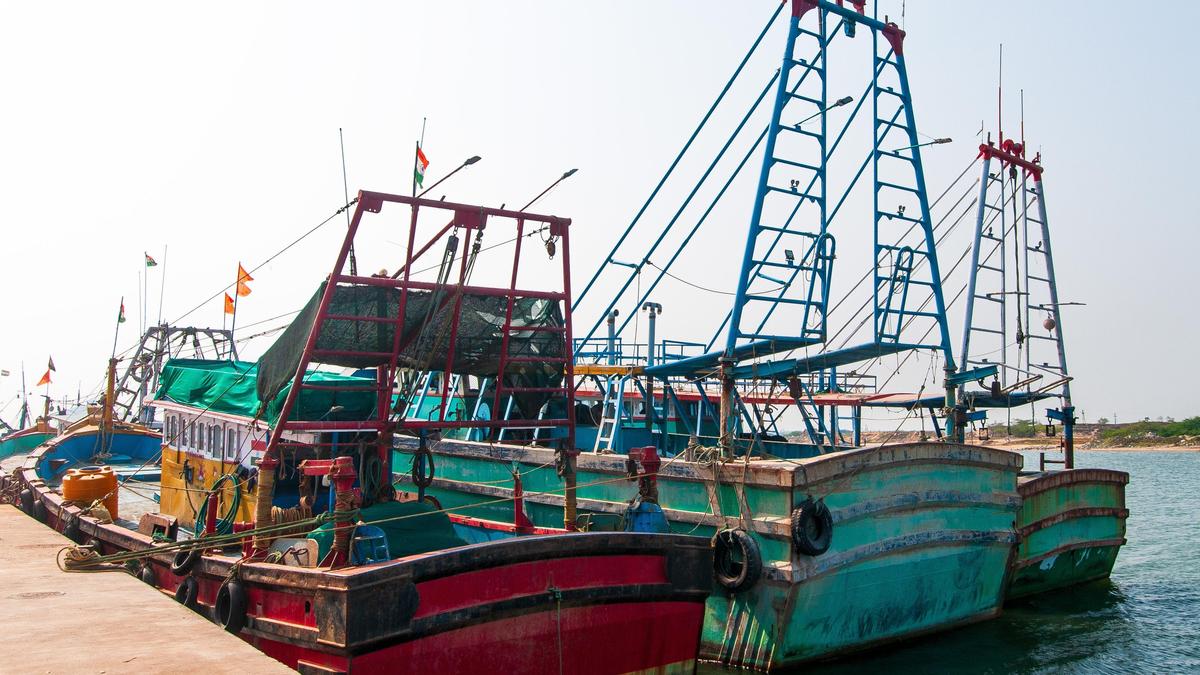
The trouble started when local fishermen in Nellore noticed four mechanized boats that were not from their area. These boats had traveled from Tamil Nadu to fish near the Juvvaladinne Fishing Harbour. Feeling that their resources were being taken, the local fishers stopped the boats and took control of them. They reported the matter to the authorities, demanding that the government take action against illegal entry. This act of seizing boats is a sign of how frustrated the local community has become with the lack of clear boundaries at sea.
Important Numbers and Facts
This conflict is deeply rooted in history, stretching back four decades. The current tension is felt most strongly in 164 villages across Andhra Pradesh where fishing is the main way of life. To manage the situation, the state government has deployed patrol teams across four key coastal districts. While only four boats were seized in this specific event, the underlying issue involves hundreds of vessels that cross state lines every year. The government is now looking at ways to use these patrols to create a permanent shield for local fishing grounds.
Background and Context
The sea does not have physical walls or fences, which makes it very difficult for fishermen to know exactly where one state's water ends and another's begins. For 40 years, fishermen from Tamil Nadu and Andhra Pradesh have argued over these invisible lines. The problem is made worse by the type of equipment used. Many Tamil Nadu fishers use large mechanized boats that can go further and catch more fish. Local fishers in Andhra Pradesh often use smaller, traditional boats. When the larger boats enter the shallow waters near the coast, they can damage the nets of local fishers and deplete the fish population quickly. This creates a sense of unfairness that often leads to anger and physical confrontation.
Public or Industry Reaction
The reaction from the local fishing community has been one of firm demand for protection. They believe that without government help, they will lose their ability to earn a living. Many village leaders have called for stricter laws and more frequent sea patrols. On the other side, fishermen from Tamil Nadu often argue that they are simply following the movement of the fish and do not mean to cause harm. However, the political nature of the dispute is growing. Leaders in both states are being pressured to protect their own people, which makes it harder to find a friendly solution. The fishing industry as a whole is worried that these fights will lead to more violence if a clear agreement is not reached soon.
What This Means Going Forward
Going forward, the Andhra Pradesh government plans to keep the patrols active to act as a warning to outsiders. There is also talk of using better technology, such as GPS tracking, to help boats stay within their allowed areas. However, technology alone might not solve the problem. There needs to be a high-level talk between the governments of Andhra Pradesh and Tamil Nadu to set clear rules for fishing. If the two states cannot agree on how to share the sea, the risk of more boat seizures and fights will remain high. The goal is to find a way for both communities to fish safely without stepping on each other's toes.
Final Take
The sea should be a place of work and peace, but for these fishermen, it has become a place of conflict. Protecting the rights of local fishers is important, but so is finding a way to manage shared resources fairly. Until a permanent boundary or a shared fishing agreement is created, the patrols will remain a necessary but temporary fix for a very old problem.
Frequently Asked Questions
Why were the boats seized in Nellore?
Local fishermen seized the boats because they believed the vessels from Tamil Nadu were fishing illegally in Andhra Pradesh waters and taking away local resources.
How many villages are affected by this fishing dispute?
The conflict affects approximately 164 villages along the coast of Andhra Pradesh where fishing is the primary source of income.
What is the government doing to stop the conflict?
The Andhra Pradesh government has restarted boat patrols across four coastal districts to monitor the sea and prevent illegal entry by boats from other states.