
Summary
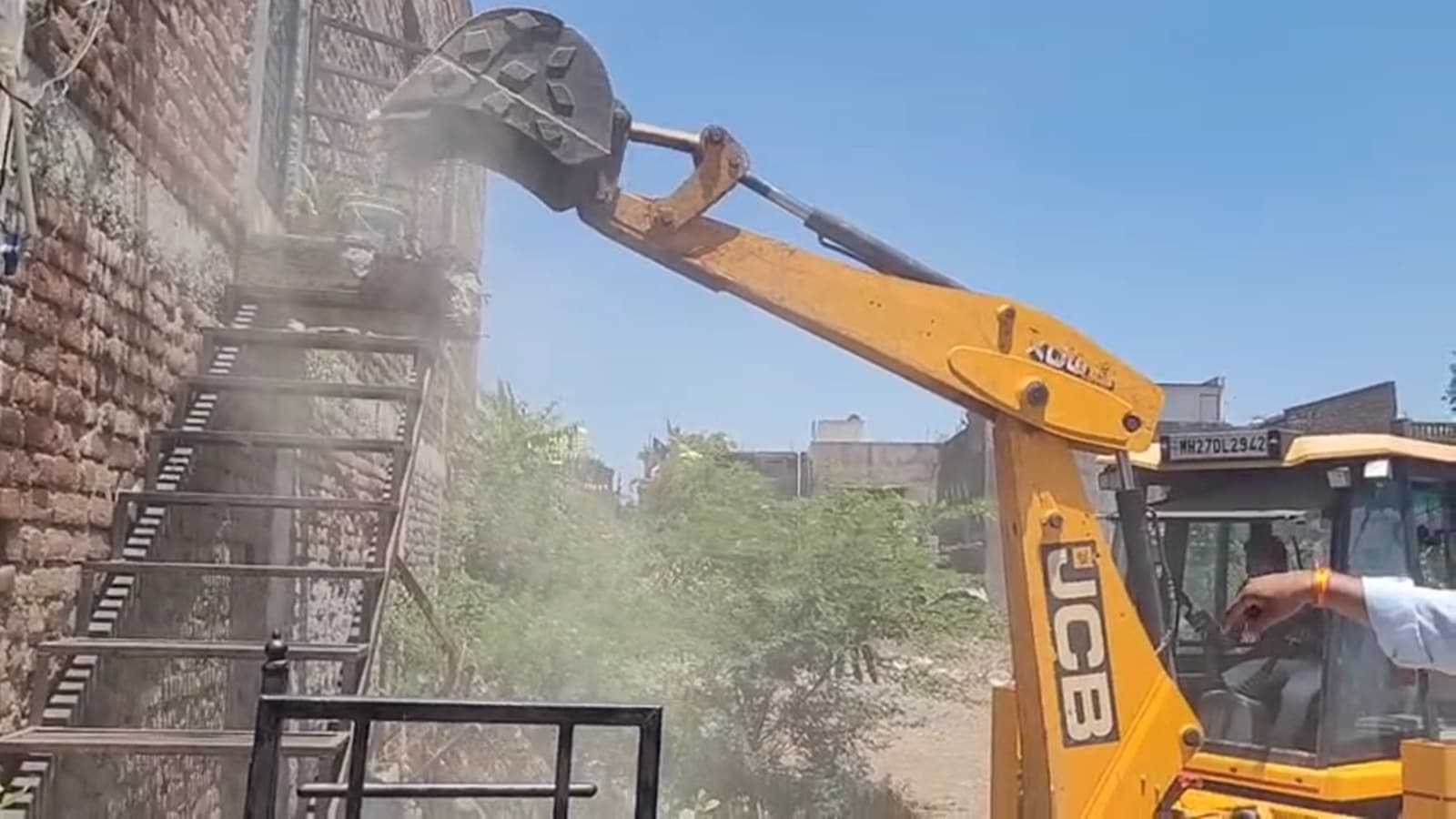
Police in Amravati have taken major steps in a case involving the illegal sharing of private and obscene videos. Recently, three more individuals were arrested for their alleged roles in the crime. In a separate but related move, local authorities demolished a portion of the main suspect's house, claiming the structure was built illegally. Investigators have identified 18 videos and 39 images that were shared across various digital platforms, causing widespread concern in the community.
Main Impact
The latest arrests and the demolition of property show a zero-tolerance approach by the government and law enforcement. By removing parts of the accused person's home, the authorities are sending a clear message that criminal behavior will lead to severe consequences. This case has also put a spotlight on digital safety and the legal protections available to victims of online harassment. The impact is felt most by the victims, whose privacy was violated, and the community, which is now demanding stricter rules for social media use.
Key Details
What Happened
The case came to light when several private videos and photos were found circulating on messaging apps and social media. These files were recorded and shared without the consent of the people featured in them. After a detailed investigation, the police tracked the digital footprints back to a group of individuals in Amravati. The main suspect was identified early on, but the investigation has since grown to include others who helped spread the content or were involved in the recording process.
Important Numbers and Facts
The scale of the digital crime is significant. Police have officially noted that at least 18 videos and 39 images were part of the illegal circulation. With the three new arrests made this week, the total number of people in custody has increased. During the demolition process, the Amravati Municipal Corporation used heavy machinery to tear down parts of the main accused's residence. Officials stated that the building did not have the proper permits, allowing them to take immediate action while the criminal case continues.
Background and Context
This topic matters because it touches on the fundamental right to privacy. In the digital age, it is very easy for someone to record a video and share it with thousands of people in seconds. When this is done without permission, it can destroy lives and reputations. In India, laws like the Information Technology (IT) Act are designed to punish people who share such content. This specific case in Amravati has gained national attention because of the aggressive way the police and local government are handling the suspects. It highlights a growing trend where authorities use administrative powers, like property demolition, to punish those accused of serious social crimes.
Public or Industry Reaction
The local public in Amravati has reacted with a mix of anger and relief. Many residents held protests when the news first broke, calling for the suspects to be punished quickly. Women's rights groups have also spoken out, asking the police to ensure that the identities of the victims are protected. On social media, there is a heated debate about the demolition of the house. While many people support the move as a form of "instant justice," some legal experts have questioned whether property should be destroyed before a person is proven guilty in a court of law. Despite these debates, the general feeling in the city is that the police must do whatever it takes to stop the spread of these videos.
What This Means Going Forward
Moving forward, the police will continue to examine mobile phones and computers seized from the suspects. They want to find out if there are more videos that have not yet been discovered. There is also a high chance that more people will be arrested if they are found to have shared the videos in private groups. For the victims, the next steps involve legal battles to ensure the content is removed from the internet permanently. This case will likely lead to more awareness programs in schools and colleges about the dangers of digital recording and the importance of consent. It also sets a precedent for how local governments might use building laws to put pressure on criminal suspects in the future.
Final Take
The Amravati case is a stern reminder that digital crimes have real-world consequences. The combination of police arrests and the demolition of property shows that the state is willing to use every tool at its disposal to fight the spread of obscene content. While the legal process will take time to finish, the actions taken so far provide some sense of justice to the community. It serves as a warning to everyone that violating someone's privacy online can lead to the loss of your freedom and even your home.
Frequently Asked Questions
How many people have been arrested in the Amravati video case?
As of the latest update, three more individuals have been taken into custody, adding to the previous arrests made by the Amravati police. The investigation is still ongoing, and more arrests may follow.
Why was the house of the accused person demolished?
The local municipal corporation demolished a portion of the house because it was found to be an illegal construction. While the timing coincided with the criminal case, the official reason given was the lack of proper building permits.
What kind of content was being shared by the suspects?
The suspects were allegedly sharing 18 videos and 39 images that were private and obscene. This content was circulated without the consent of the individuals involved, which is a serious crime under the IT Act.



