Summary
Union Home Minister Amit Shah recently visited Erode, Tamil Nadu, where he delivered a strong message against the opposition. During a public event, he accused the DMK and the Congress party of intentionally blocking women's progress for many years. Shah claimed that these parties prevented women from getting reserved seats in Parliament and state assemblies to protect their own political interests. He highlighted that the current government has finally taken steps to ensure women get the representation they deserve in Indian politics.
Main Impact
The comments made by Amit Shah have sparked a fresh debate about women's rights and political representation in South India. By making these statements in Erode, the Home Minister is directly challenging the influence of the DMK and Congress in Tamil Nadu. This move is seen as an effort to connect with female voters, who make up a large part of the voting population. The focus on the women's reservation bill is likely to become a major talking point in the upcoming election cycles, forcing all parties to clarify their stance on the issue.
Key Details
What Happened
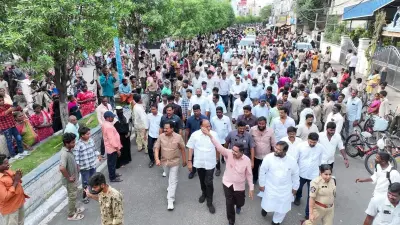
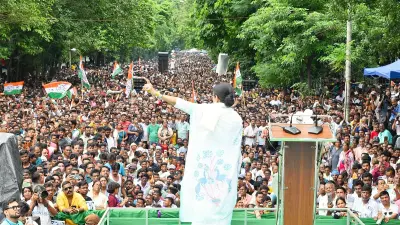
While speaking at a political gathering, Amit Shah focused on the long history of the Women's Reservation Bill. He told the audience that for decades, the "sisters and mothers" of India were denied their rightful place in the halls of power. He specifically named the DMK and the Congress as the parties responsible for this delay. According to Shah, these parties used various excuses to keep the bill from passing because they feared losing their own grip on power. He contrasted this with the actions of the current central government, which he says prioritized the empowerment of women.
Important Numbers and Facts
The central piece of this discussion is the Nari Shakti Vandan Adhiniyam, which is the official name for the Women's Reservation Bill. This law aims to reserve 33 percent of the seats in the Lok Sabha and state legislative assemblies for women. Although the idea for this reservation has been around for nearly 30 years, it only recently became law. Shah pointed out that while previous governments had the chance to pass it, they failed to do so. The new law will change how elections are fought in India, ensuring that at least one-third of the lawmakers are women once the law is fully implemented.
Background and Context
The struggle for women's reservation in India has been a long and difficult journey. The first version of the bill was introduced in the late 1990s. Since then, it has been brought to Parliament several times by different governments. However, it often faced strong opposition from various political groups. Some parties argued about how the seats should be divided, while others simply did not want to change the existing system. This lack of agreement meant that the bill remained stuck for a very long time.
In Tamil Nadu, politics is often dominated by local issues and the influence of the DMK and AIADMK. By bringing up a national issue like women's reservation, the BJP is trying to change the conversation. They want to show that they are the party of reform and progress. Erode, where Shah gave the speech, is an important industrial and political center in the state, making it a strategic location for such a major announcement.
Public or Industry Reaction
The reaction to Shah's speech has been divided along party lines. Supporters of the BJP praised the Home Minister for being direct and holding the opposition accountable. They believe that the passing of the reservation bill is a historic achievement that will change the country for the better. On the other hand, members of the DMK and Congress have dismissed the claims. They often argue that they have always supported women's rights and that the BJP is simply trying to take all the credit for a long-standing demand. Some critics also point out that the reservation will not take effect immediately, as it is tied to the next census and the redrawing of voting districts.
What This Means Going Forward
Looking ahead, the issue of women's representation will likely stay at the center of Indian politics. As the government prepares for the next steps to implement the 33 percent quota, there will be many discussions about how it will work in practice. For the DMK and Congress, the challenge will be to prove to voters that they truly support the measure despite the accusations made by the Home Minister. In Tamil Nadu, this could lead to more programs and promises aimed specifically at women as parties compete for their support. The political battle in the state is becoming more intense, with national leaders taking a more active role in local campaigning.
Final Take
Amit Shah’s speech in Erode serves as a reminder that the fight for political power in India is closely tied to social reform. By accusing the opposition of blocking women's progress, the BJP is setting a clear tone for its future campaigns. Whether this strategy will work in a state like Tamil Nadu remains to be seen, but it has certainly made the Women's Reservation Bill a key topic of discussion for every household. The focus is now on how quickly these changes will be felt by the women who wish to lead their communities and the nation.
Frequently Asked Questions
What is the Women's Reservation Bill?
It is a law that reserves 33 percent of the seats in India's Parliament and state assemblies for women to ensure they have a fair say in making laws.
Why did Amit Shah criticize the DMK and Congress?
He claimed that these parties intentionally delayed the reservation bill for many years to serve their own political goals instead of helping women.
When will the 33 percent reservation start?
The reservation will be implemented after the next census is completed and the boundaries of voting districts are officially redrawn.