Summary
The Andhra Pradesh government has officially started the next phase of growing Amaravati, the state’s capital city. New legal notices have been issued to collect land in the Guntur and Palnadu districts. This move is a major step toward building essential infrastructure, protecting the city from floods, and making room for a future airport. By using specific land laws, the state aims to secure the space needed for these large-scale public projects.
Main Impact
This decision marks a significant shift in the development of the capital region. For several years, the growth of Amaravati had slowed down, but these new notices show that the project is now a top priority again. The main impact will be felt by local landowners and farmers who live in the targeted areas. While the expansion promises better roads and modern facilities, it also requires a massive amount of land, which changes how the local community lives and works. For the state, this is a necessary step to turn Amaravati into a fully functional and well-connected administrative hub.
Key Details
What Happened
The state government issued two types of legal notices: the Land Pooling Scheme (LPS) and the Land Acquisition, Rehabilitation, and Resettlement (LAAR) Act notifications. These documents are the official way the government tells the public which pieces of land they need for city projects. The focus of this current round of land collection is on areas within Guntur and Palnadu. These locations are strategic for expanding the city’s borders and connecting different zones together.
Important Numbers and Facts
The expansion plan covers several key areas of development. First, a large portion of the land is set aside for flood mitigation. Because Amaravati is located near the Krishna River, the government needs to build canals and water storage systems to prevent heavy rains from damaging the city. Second, the notices include land for a proposed airport. Having an airport close to the capital is seen as vital for business and travel. While the exact number of acres varies by village, the total area involved represents one of the largest land-gathering efforts in the region in recent years. The government is using the 2013 Land Acquisition Act to ensure that the process follows national legal standards for compensation and resettlement.
Background and Context
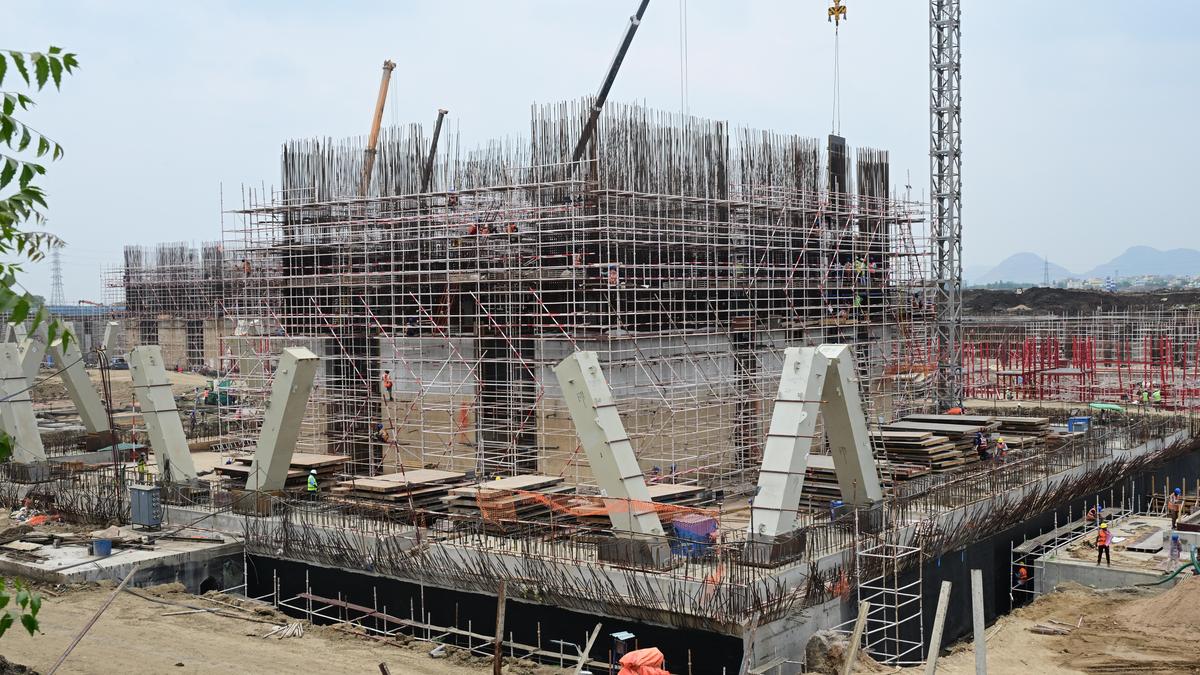
To understand why this is happening now, it is important to look at the history of Amaravati. The city was chosen as the capital after the state was divided years ago. The idea was to build a world-class city from the ground up. However, changes in political leadership led to delays and shifts in how the city was being built. Now, the current administration is pushing to finish what was started. They are focusing on "infrastructure first," which means building the roads, water pipes, and power lines before moving on to large office buildings. Flood control is also a major part of the context. In the past, critics worried that the capital site was too low and could easily flood. By acquiring land specifically for water management, the government is trying to prove that the city will be safe and sustainable for the long term.
Public or Industry Reaction
The reaction to these notices has been a mix of excitement and concern. Real estate experts and business leaders are happy to see the project moving forward. They believe that clear government action will bring more investment to the region and create thousands of new jobs in construction and services. On the other hand, some local farmers and residents are worried. Even though the government promises fair payment or new plots of land in exchange, many people are anxious about losing their ancestral fields. There are also discussions among urban planners who say that the success of this expansion depends on how quickly the government can actually start building once the land is in their hands.
What This Means Going Forward
In the coming months, the government will hold meetings with landowners to finalize the transfer of property. This process can sometimes be slow if there are legal challenges or disagreements over prices. However, once the land is secured, the next step will be to hire construction companies to begin work on the flood canals and the airport site. This expansion is expected to drive up property values in the surrounding areas of Guntur and Palnadu. It also sets a timeline for when the capital might finally look like a complete city. The government will need to manage its budget carefully to fund these massive infrastructure projects while also keeping its promises to the people who gave up their land.
Final Take
The move to acquire more land in Guntur and Palnadu is a clear sign that the Amaravati project is entering a new and more active phase. By focusing on practical needs like flood safety and transportation, the state is trying to build a strong foundation for the future. While the process of taking land is always difficult for a community, the long-term goal is to create a modern capital that can support the entire state's economy and government for decades to come.
Frequently Asked Questions
What is the difference between Land Pooling and Land Acquisition?
Land Pooling (LPS) is a system where owners give their land to the government and receive a smaller, developed plot of land in return later. Land Acquisition (LAAR) is a more direct process where the government buys the land from the owner using cash compensation based on market rates.
Why does Amaravati need flood mitigation?
Amaravati is built on relatively flat land near a major river. To prevent the city from flooding during the monsoon season, the government must build a network of drains, reservoirs, and canals to move excess water away from homes and offices.
Where will the new airport be located?
The government is identifying specific sites in the expanded capital region, particularly in areas that connect well with Guntur and Palnadu, to ensure easy access for travelers and officials visiting the capital.