
Summary
The Indian Parliament has officially passed a bill to establish Amaravati as the permanent capital of Andhra Pradesh. This landmark decision comes twelve years after the state was divided to create Telangana in 2014. The move provides much-needed legal clarity for the state, ending years of political debate and uncertainty regarding where the government should be based. This decision is seen as a major step toward finishing the state-building process that began over a decade ago.
Main Impact
The primary impact of this bill is the restoration of stability to Andhra Pradesh’s administration and economy. For several years, the state moved between different plans, including a proposal to have three separate capitals for different branches of government. By finalizing Amaravati as the single capital, the government can now focus its resources and energy on one location. This clarity is expected to help attract businesses, create new jobs, and give residents a clear sense of where the state is heading.
Key Details
What Happened
The Parliament cleared the Bill following a series of discussions about the future of Andhra Pradesh. The Telugu Desam Party (TDP), which is currently in power in the state, led the push for this legislation. They argued that a single, strong capital is necessary for the state to grow. On the other side, the YSRCP was the only major political party to oppose the Bill. They raised concerns about the farmers in the region and argued that the plan did not do enough to protect those who had given up their land for the city’s construction.
Important Numbers and Facts
The timeline of this event is significant. It has been 12 years since the Andhra Pradesh Reorganisation Act was first passed in 2014. Under that original law, Hyderabad was supposed to serve as a shared capital for both Andhra Pradesh and Telangana for a maximum of 10 years. That period has now ended, making the official naming of a new capital an urgent legal necessity. Thousands of farmers in the Amaravati region have been protesting for years, demanding that the government stick to the original plan of making their area the sole capital.
Background and Context
To understand why this matters, one must look back at the 2014 split. When Telangana was created, it kept Hyderabad, which was the main source of income and the center of technology and education. Andhra Pradesh was left without a major city to call its own. The initial plan under the TDP government was to build a world-class city in Amaravati. However, when the government changed in 2019, the new leadership proposed a "three capitals" model, which would have spread government offices across different cities. This led to many legal battles and stopped almost all construction work in Amaravati. The current decision marks a return to the original vision of a single, centralized capital city.
Public or Industry Reaction
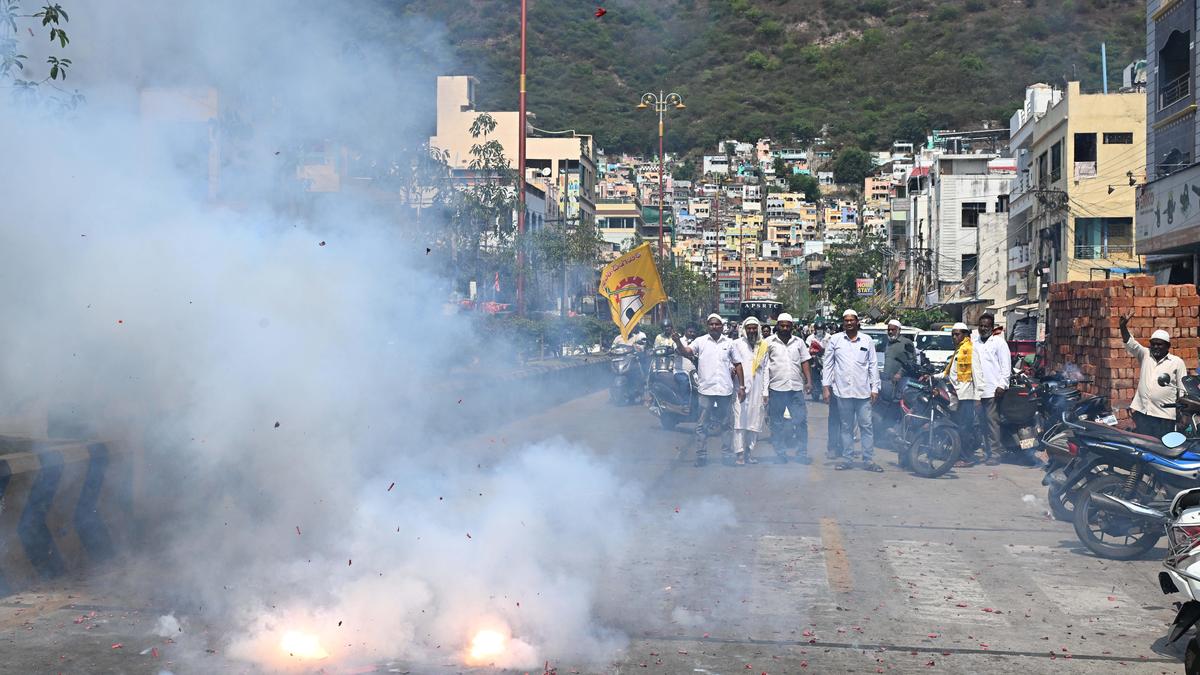
The reaction to the news has been mixed but mostly focused on the long wait. The TDP celebrated the move, calling it a "historic day" for all Telugu-speaking people. They believe this will finally allow the state to compete with other major regions in India. However, members of the opposition in Parliament were more critical. They described the 12-year delay as a "national shame," arguing that no state should have to wait over a decade to know where its capital is located. Local farmers in Amaravati, who had surrendered their land for the project, expressed a sense of relief but remained cautious about how quickly the government would actually build the city.
What This Means Going Forward
Now that the law is in place, the focus shifts to construction and funding. Building a new capital from the ground up requires a massive amount of money. The state government will likely look to the central government for financial support and special grants to speed up the process. There are also many half-finished buildings and roads in Amaravati that need to be completed. In the coming months, we can expect to see a move of various government departments and thousands of employees from temporary offices to the new capital site. The success of this move will depend on how quickly the infrastructure can be developed to support a growing population.
Final Take
The official naming of Amaravati as the capital is more than just a legal change; it is a moment of closure for a state that has been in transition for too long. While the political battles may continue, the path forward is now clear. The challenge now lies in turning the plan on paper into a living, working city that can provide a bright future for the people of Andhra Pradesh. After twelve years of waiting, the state finally has a place to call home.
Frequently Asked Questions
Why did it take 12 years to decide on a capital?
The delay was caused by changes in state leadership and different political visions. One government wanted a single capital in Amaravati, while the next wanted to spread the capital across three different cities. This caused legal delays and stopped construction.
What happened to Hyderabad?
Hyderabad became the capital of the new state of Telangana in 2014. It was allowed to serve as a temporary shared capital for Andhra Pradesh for 10 years, but that agreement has now expired.
Why did some parties oppose the new Bill?
The YSRCP opposed the Bill because they believed it did not address the specific demands and concerns of the farmers who provided land for the city. They also previously favored a model that spread government power across multiple regions of the state.

