Summary
Akhilesh Yadav, the leader of the Samajwadi Party, has stated that the BJP-led government no longer has the authority to rule. This statement follows the failure of a major bill in the Lok Sabha that aimed to give women a fixed number of seats in the legislature. Yadav argues that the defeat of the bill shows the government does not have the support of the people. He believes that the opposition is now the true voice of the public and is calling for a new census before any such laws are passed.
Main Impact
The rejection of the Constitution (131st Amendment) Bill has created a significant political shift. It highlights a deep disagreement over how to count the population and how to share power fairly. This event has stopped a plan that would have changed the face of the Indian Parliament. It also puts pressure on the government to address concerns about how different social groups are represented. The focus has now moved from simply passing a law to ensuring that the data used for that law is accurate and inclusive.
Key Details
What Happened
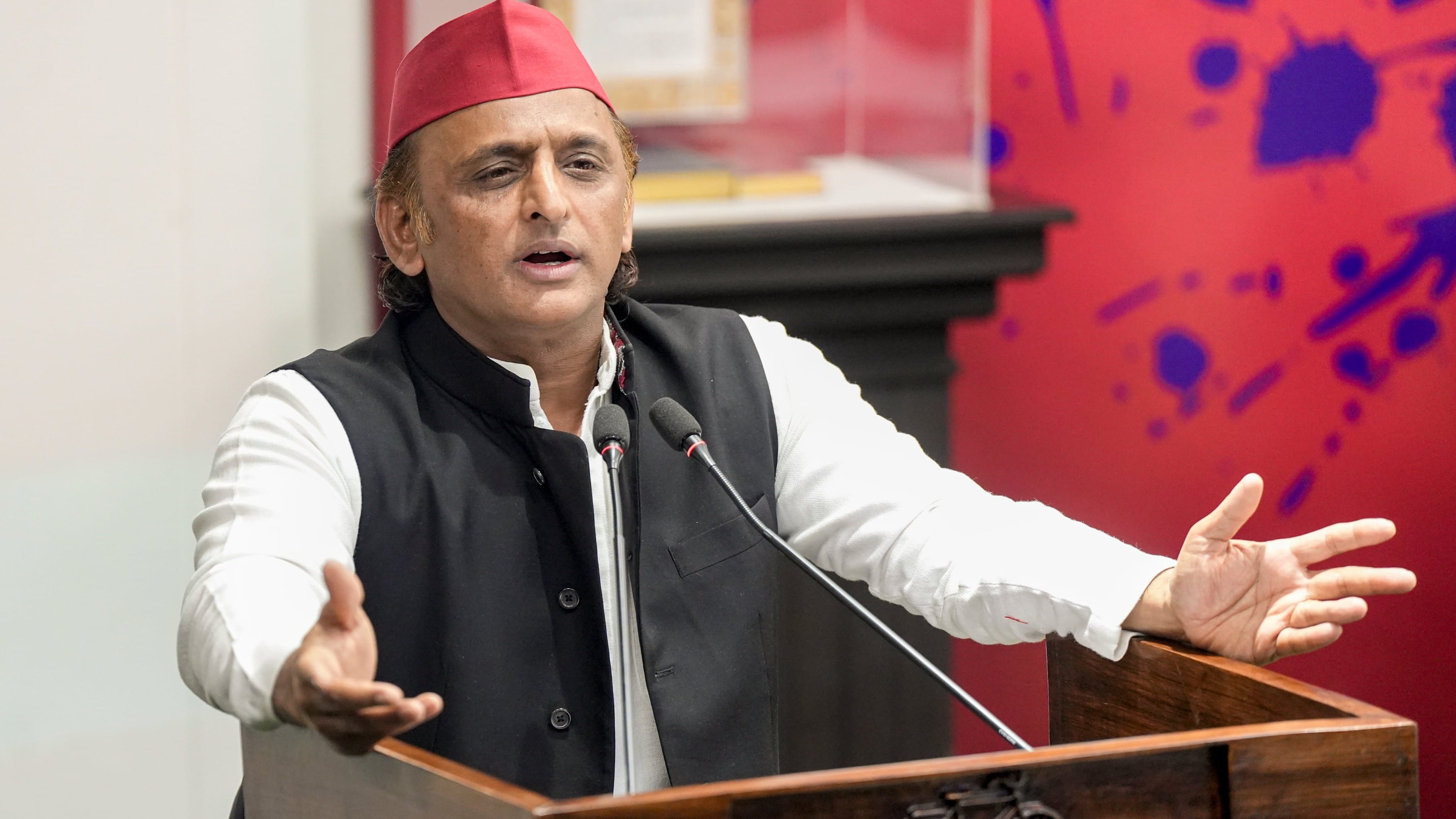
The government tried to pass a bill that would set aside 33% of seats for women in law-making bodies. To make this work, the plan involved increasing the total number of seats in the Lok Sabha. However, the bill was defeated in the Lower House on Friday. Following this, Akhilesh Yadav addressed his party members, claiming that the government has lost its mandate. He argued that a government that cannot pass its own major legislation does not represent the will of the citizens.
Important Numbers and Facts
The bill proposed a massive change to the structure of the Lok Sabha. It planned to increase the number of seats from 543 to 816. This change was based on a process called delimitation, which uses population data to draw voting boundaries. The government intended to use figures from the 2011 Census. Yadav and other leaders pointed out that these numbers are now 15 years old and do not reflect the current population of the country. They argue that using outdated data would lead to incorrect and unfair results for voters.
Background and Context
The idea of reserving seats for women has been discussed in India for a long time. The goal is to ensure that women have a direct role in making the laws that affect the country. However, the process is tied to the census and the redrawing of voting areas. Many political leaders are worried that if the seats are increased based on old data, some states and communities will lose their influence. There is also a strong demand for "quota within quota." This means that within the 33% reserved for women, there should be specific spots for women from Dalit, tribal, and backward class backgrounds to ensure true fairness.
Public or Industry Reaction
The reaction to the bill's defeat has been divided. Supporters of the government see it as a missed opportunity for progress. However, opposition leaders like Yadav claim the bill was flawed from the start. Yadav accused the ruling party of using a strategy he calls the "CMF formula." According to him, this stands for creating mistrust, polarising different groups, and using fear to gain support. He believes that women voters will see through these tactics. He stated that women are more concerned with daily struggles like high prices, healthcare, and social safety than with political games.
What This Means Going Forward
The failure of this bill means that the government must go back to the drawing board. There is now a louder call for a fresh national census to be conducted immediately. Without new data, any attempt to change the number of seats in Parliament will likely face the same resistance. Political parties will also have to address the demand for including minorities and backward classes in the reservation plan. As the next elections approach, the issue of women's representation will remain a major topic of debate, with both sides trying to prove they have the best interests of women at heart.
Final Take
The defeat of the women’s quota bill shows that major changes to the law require more than just a good idea; they need a foundation of trust and accurate data. For any reservation plan to be successful, it must be fair to all sections of society and based on the reality of today’s population. The focus must now stay on creating a system that truly includes everyone rather than just making symbolic gestures.
Frequently Asked Questions
Why was the women's reservation bill defeated?
The bill was defeated because many leaders felt it was based on outdated population data from 2011. There were also concerns that it did not include specific protections for women from minority and backward class backgrounds.
What is the "CMF formula" mentioned by Akhilesh Yadav?
Yadav used this term to describe the BJP's political strategy. He claims it stands for creating mistrust among people, polarising communities, and using fear to maintain power.
How many seats would the Lok Sabha have under the new plan?
The proposed bill aimed to increase the number of seats in the Lok Sabha from the current 543 to 816 to accommodate the 33% reservation for women.