Summary
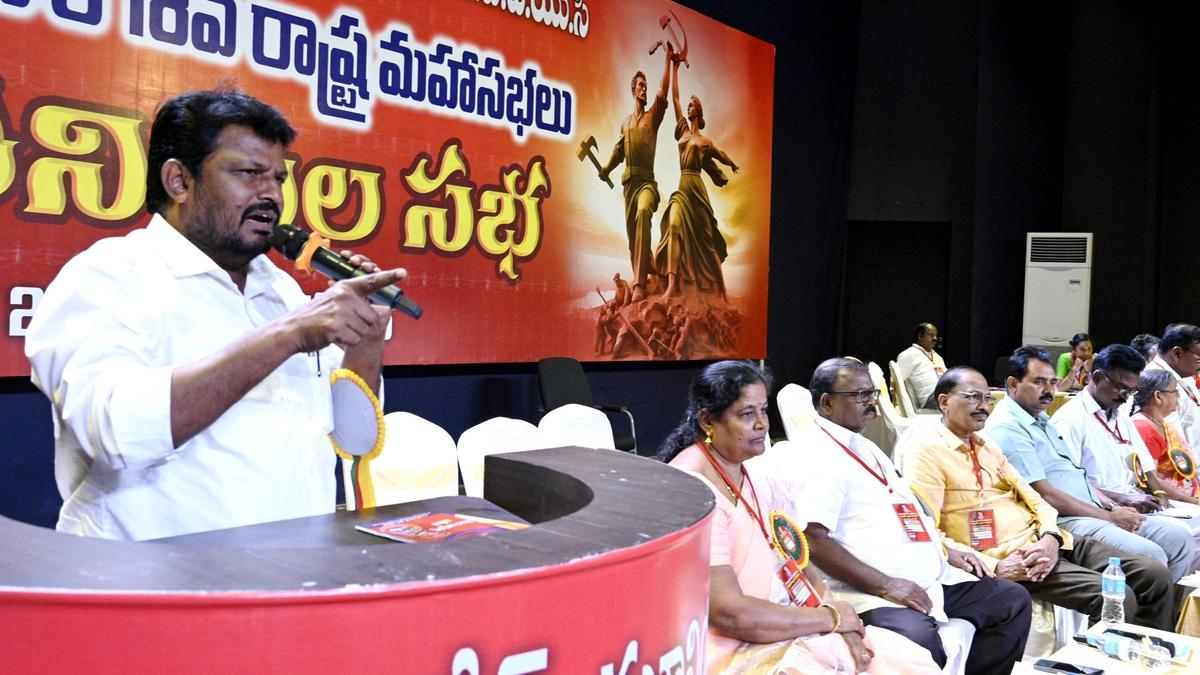
The All India Trade Union Congress (AITUC) recently held a major state-level meeting in Andhra Pradesh to discuss the growing challenges facing the workforce. Labor leaders expressed deep concern over new government policies that they believe weaken workers' protections and favor large corporations. The convention ended with a strong call for a state-wide movement to protect jobs, ensure fair pay, and stop the sale of public assets. This gathering marks a significant step in organizing labor protests against current economic reforms in the region.
Main Impact
The primary impact of this convention is the unification of various labor groups under a single cause. By bringing together workers from different sectors, AITUC is preparing for a large-scale confrontation with both state and central authorities. The movement aims to force a rethink on the privatization of key industries, which could affect thousands of families. If these protests gain momentum, they could lead to significant disruptions in industrial activities and pressure political leaders to change their approach to labor laws before the next elections.
Key Details
What Happened
During the convention, union leaders spoke about the difficulties workers face in the current economy. They focused on the rising cost of living and the lack of job security for those in temporary positions. The speakers argued that the government is moving away from its duty to protect the common person. They specifically pointed to the "four labor codes" as a major threat. These codes are new sets of rules that replace older labor laws. The union claims these new rules make it easier for companies to fire workers and harder for unions to go on strike.
Important Numbers and Facts
The union has set clear demands that they want the government to meet immediately. One of the most important figures mentioned was the demand for a minimum wage of 26,000 rupees per month for all workers. Currently, many workers earn much less than this, making it hard to afford basic needs like food and housing. The convention also highlighted the struggle of the Visakhapatnam Steel Plant. This plant is a massive industrial unit that the government wants to privatize. Thousands of workers and local citizens have been protesting this move for over 1,000 days, fearing that private owners will cut jobs and reduce benefits.
Background and Context
To understand why this is happening, it is important to look at how labor laws are changing in India. For many years, India had many different laws to protect workers in factories, mines, and offices. Recently, the central government decided to simplify these into four main codes. While the government says this makes doing business easier, workers feel it takes away their rights. In Andhra Pradesh, this issue is even more sensitive because of the Visakhapatnam Steel Plant. This plant was built after a long and famous public struggle decades ago. For many people in the state, the plant is not just a factory; it is a symbol of their pride and hard work. Seeing it put up for sale has caused a lot of anger among the local population.
Public or Industry Reaction
The reaction from the working class has been one of strong support for the union's call to action. Many contract workers, who do not have permanent jobs or full benefits, attended the meeting to voice their frustrations. They feel that they do the same work as permanent employees but get paid much less. On the other hand, some industry experts suggest that the government needs to make these changes to attract more investment to the state. However, the union leaders argue that investment should not come at the cost of human rights and fair treatment. Social activists have also joined the cause, stating that a healthy economy needs a well-paid and secure workforce to thrive.
What This Means Going Forward
In the coming months, we can expect to see more rallies and street protests across Andhra Pradesh. AITUC plans to take their message to every district to educate workers about their rights. There is also a possibility of a general strike, where workers across many industries stop working at the same time to show their power. The government will have to decide whether to talk with the union leaders or continue with their current plans. If the government ignores these demands, the tension between the state and the labor force is likely to grow, which could lead to more social and economic instability in the region.
Final Take
The AITUC convention has sent a clear message that the labor movement in Andhra Pradesh is not going away. By focusing on simple but vital issues like fair pay and job security, the union is connecting with the everyday struggles of thousands of people. The fight to save the Visakhapatnam Steel Plant and the push against new labor codes will be the main focus of their struggle. How the government responds to this organized pressure will determine the future of industrial relations in the state for years to come.
Frequently Asked Questions
What is AITUC?
AITUC stands for the All India Trade Union Congress. It is one of the oldest and largest labor unions in India, representing workers across many different industries.
Why are workers protesting the new labor codes?
Workers believe the new codes give too much power to employers. They fear it will be easier for companies to fire people, and it will become much harder for workers to form unions or protest for better conditions.
What is the issue with the Visakhapatnam Steel Plant?
The government wants to sell the steel plant to private companies. Workers are against this because they fear job losses and believe that a public asset built with people's taxes should remain under government control.