Summary
Scientists have recently discovered that the ocean is not the main source of microplastics found in our air. For a long time, many people believed that these tiny plastic particles mostly came from the sea through ocean spray. However, new research shows that the vast majority of airborne microplastics actually come from roads and farming activities. This discovery is important because it changes how we understand plastic pollution and how it moves around the planet.
Main Impact
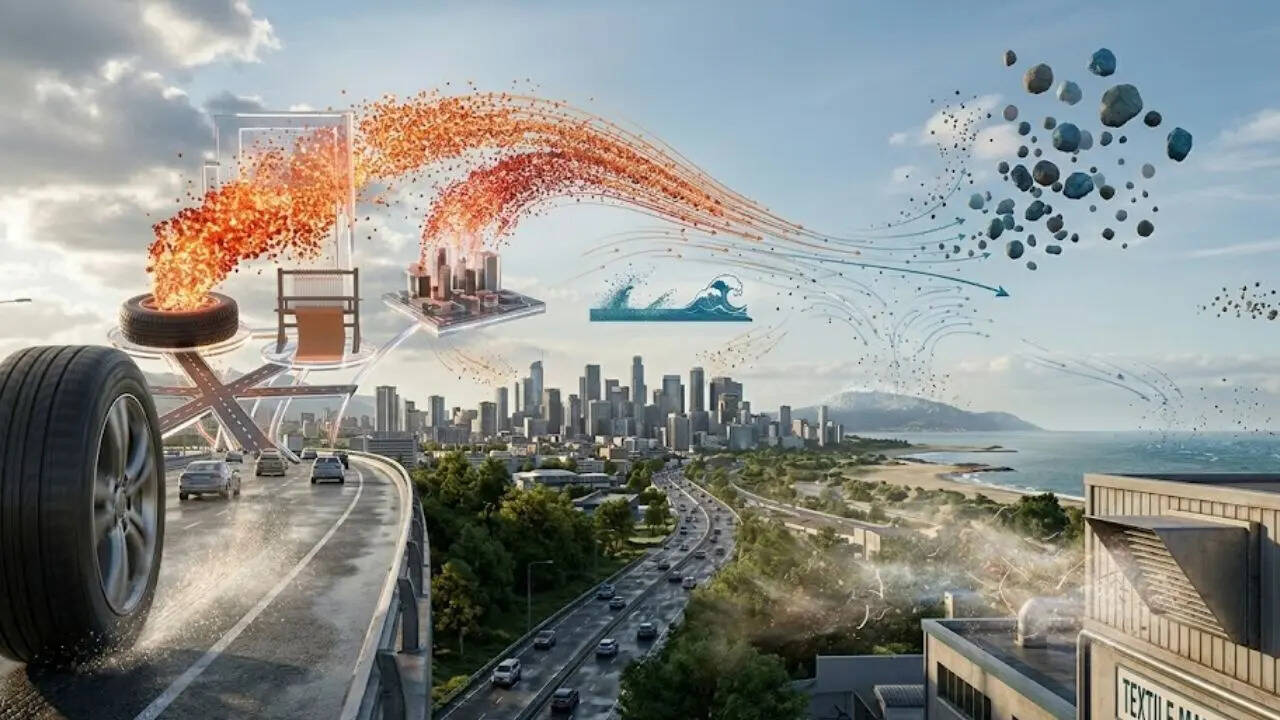
The biggest impact of this study is the realization that road traffic is a major driver of air pollution. Every time a car or truck moves, the friction between the tires and the road surface grinds down the rubber and plastic materials. This creates millions of tiny particles that are light enough to be swept up by the wind. These particles do not just stay near the roads; they travel through the sky and can end up in places far away from cities, such as forests, mountains, and even the Arctic.
Key Details
What Happened
A team of researchers spent several years collecting data and using computer models to track how microplastics move through the atmosphere. They looked at air samples from many different locations to see where the plastic was coming from. They found that the "plastic cycle" works much like the water cycle. Plastic falls from the sky as rain or dust, stays on the ground for a while, and then gets kicked back up into the air by wind or traffic.
The study revealed that the ocean does play a role, but it is much smaller than previously thought. While waves can toss plastic back into the air, the sheer volume of plastic generated by cars and trucks on land is much higher. This means that even if we cleaned up the entire ocean, the air would still be full of microplastics because of our daily transportation habits.
Important Numbers and Facts
The data from the study provides a clear picture of where these particles originate. According to the research, approximately 84% of the microplastics in the air come from road dust. This includes bits of tires and brake pads. About 11% of the particles come from the ocean, where they are blown into the air by sea spray. The remaining 5% comes from agricultural soil dust, which happens when farmers plow fields that contain plastic from fertilizers or old plastic coverings.
Scientists also found that these particles can stay in the atmosphere for almost a week. This is long enough for them to cross entire continents or oceans. In some remote areas of the western United States, researchers estimated that over 1,000 tons of microplastics fall from the sky every year. That is equal to millions of plastic water bottles falling as dust on protected lands.
Background and Context
Microplastics are very small pieces of plastic, usually less than five millimeters long. They are created when larger plastic items, like bags, bottles, and synthetic clothing, break down over time. Because plastic does not biodegrade like food or wood, it just gets smaller and smaller until it is invisible to the human eye.
In the past, most plastic research focused on the ocean. We have all seen pictures of plastic trash in the sea, which led many to believe the ocean was the primary source of all plastic problems. However, scientists are now realizing that plastic is a "global pollutant" that moves through the air just like carbon dioxide or volcanic ash. This means that plastic pollution is not just a problem for fish and sea turtles; it is a problem for everything that breathes air.
Public or Industry Reaction
Environmental groups are calling this study a wake-up call for the car industry. Since tires are a major source of this pollution, there is growing pressure on companies to create tires that do not wear down as easily or that use more natural materials. Some experts suggest that we need better road cleaning systems to catch the dust before the wind can blow it away.
Health experts are also concerned. If microplastics are in the air, it means humans and animals are breathing them in every day. While we do not yet fully know the long-term health effects of breathing plastic, doctors worry it could lead to lung irritation or other respiratory issues. The public is becoming more aware that reducing plastic use is not just about using fewer straws, but also about how we build and drive our vehicles.
What This Means Going Forward
This research shows that we need to change how we fight pollution. Simply banning single-use plastics will not solve the problem of airborne microplastics. We must look at the materials used in tires and the way we manage our roads. Future laws might require tire manufacturers to meet new standards for "wear and tear" to reduce the amount of dust they produce.
Additionally, scientists will continue to study how these particles affect the weather. There is some evidence that microplastics in the clouds could change how rain forms or how much sunlight the earth reflects. Understanding the full cycle of plastic will be a major goal for environmental science in the coming years.
Final Take
The discovery that roads are the primary source of airborne microplastics shifts the focus of environmental protection. It highlights that our modern way of life, specifically our reliance on cars, has hidden costs for the air we breathe. To truly clean up the planet, we must look beyond the visible trash in our oceans and address the invisible particles that are swirling in the wind around us every day.
Frequently Asked Questions
How do microplastics get from the road into the air?
When cars drive, the weight and speed of the vehicle cause the tires to rub against the road. This friction creates tiny bits of plastic and rubber dust. When the wind blows or other cars drive by, this dust is lifted high into the atmosphere.
Is it dangerous to breathe in microplastics?
Scientists are still studying the exact health risks. However, breathing in any kind of fine dust can be bad for the lungs. Because these particles are made of plastic and chemicals, there is concern they could cause inflammation or carry toxins into the body.
Can we stop microplastics from entering the air?
It is difficult to stop completely, but we can reduce it. This can be done by making tires out of better materials, improving public transportation to reduce the number of cars on the road, and using better street-cleaning technology to trap dust.