
Summary
Artificial intelligence is creating a deep sense of worry across the business world, but leaders and employees are stressed for very different reasons. Ben Horowitz, a well-known investor, says that company founders are terrified of moving too slowly in a fast-changing market. Meanwhile, regular workers are suffering from a fear of becoming obsolete, worrying that AI will take their jobs entirely. This gap in perspective is creating a major hurdle for companies trying to adopt new technology.
Main Impact
The primary impact of this "AI anxiety" is a massive disconnect between what companies want and what workers are actually doing. While bosses are spending millions of dollars on AI tools to stay competitive, the majority of employees are ignoring them. This tension is slowing down the very progress that leaders are trying to speed up. If workers do not feel safe using these tools, the huge investments being made into technology may not pay off as expected.
Key Details
What Happened
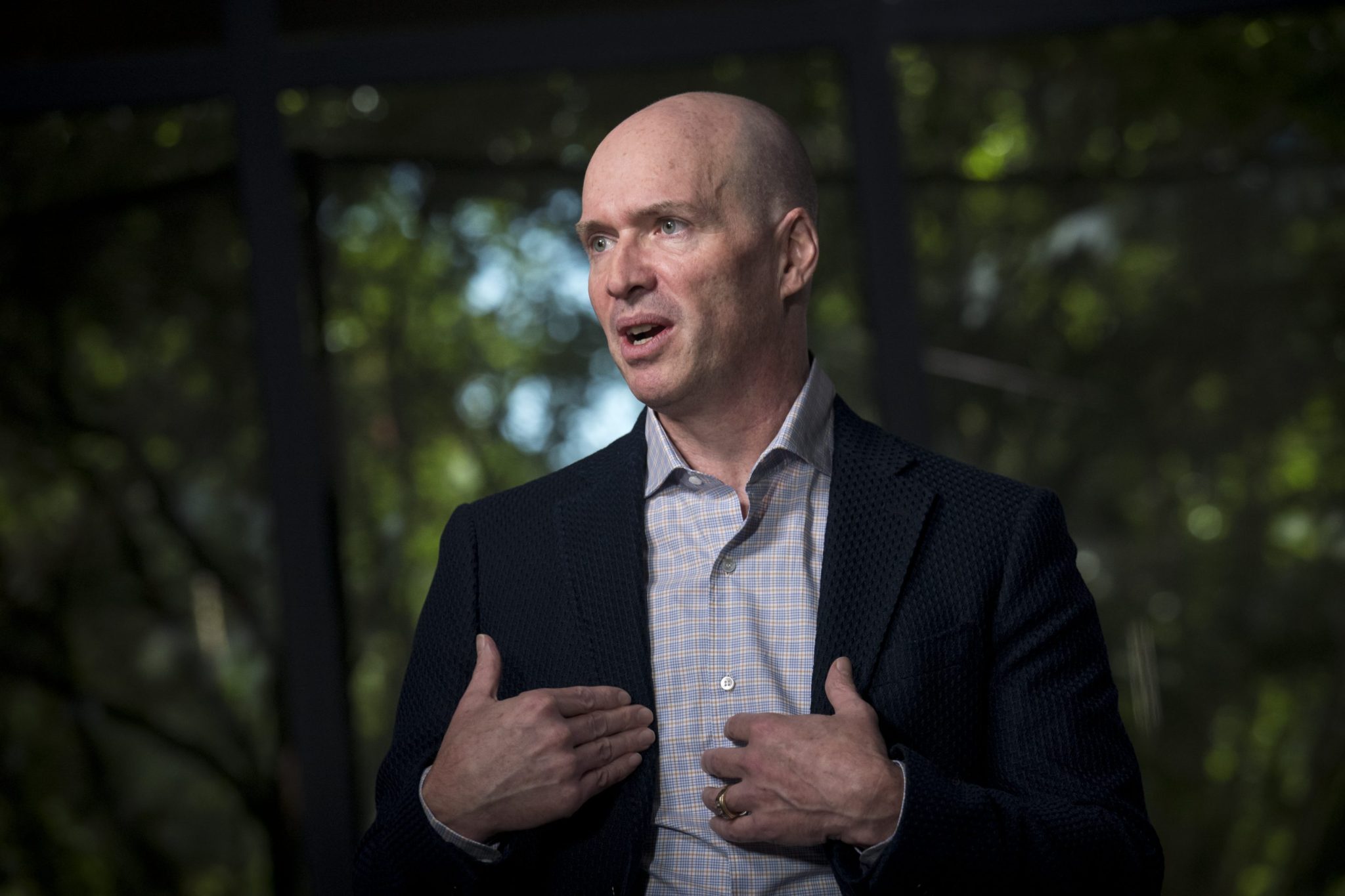
At a recent tech conference in Utah, Ben Horowitz, the co-founder of the venture capital firm Andreessen Horowitz, spoke about the state of the industry. He explained that the old rules of business no longer apply. In the past, a good software product could stay ahead of the competition for five or ten years. Now, Horowitz warns that this "runway" has shrunk to just a few weeks. He believes that companies that do not adapt to AI immediately will likely fail because the barriers to entry have disappeared.
Important Numbers and Facts
The data shows a clear divide between corporate spending and worker behavior. Companies have increased their budgets for digital changes by 38%, spending an average of $54.2 million. However, a survey of 3,750 people found that 54% of workers chose to do tasks manually instead of using the AI tools provided by their employers. Another 33% have not used AI at all. This means about 80% of workers are either avoiding or rejecting the technology. Furthermore, only about 10% of employees are using AI for meaningful work, according to industry experts.
Background and Context
To understand why this is happening, it helps to look at how software companies used to work. For a long time, companies were protected by "moats." This meant it was hard for competitors to catch up because building software was expensive and slow. It was also hard for customers to switch to a different product because moving their data was difficult. AI has changed this. Today, anyone can buy powerful computer chips, known as GPUs, to build software quickly. It is now very easy to copy code and move data, which means no company is safe from competition anymore.
Public or Industry Reaction
Workers are reacting to these changes with a specific type of fear called FOBO, or the "fear of becoming obsolete." Unlike the usual fear of being fired, FOBO is the worry that your specific skills will no longer be needed by the world. Recent reports show that half of American workers now fear AI will lead to job losses. This fear is not just about money; many people also worry that AI will make the workplace feel less human. Because of this, many employees are "quietly rebelling" by sticking to old ways of working, even if it makes them less productive than those who use AI.
What This Means Going Forward
The future of work depends on how leaders handle this fear. Horowitz compares the current situation to the Industrial Revolution. Back then, most people were farmers, and those jobs eventually went away. However, new jobs were created that people at the time could not even imagine. While Horowitz is optimistic that things will get better for everyone, he also points out a strange problem: if AI replaces all the people at companies, there will be no one left to buy the software. In the short term, companies must find a way to make workers feel like AI is a tool for them, rather than a replacement for them.
Final Take
The real challenge of the AI era is not just about building better technology; it is about managing human fear. Founders are racing against time, while workers are trying to protect their future. Until companies can bridge this gap and show employees that they have a place in an automated world, the full potential of artificial intelligence will remain out of reach. Success will come to those who can move fast without leaving their people behind.
Frequently Asked Questions
What is AI anxiety?
AI anxiety refers to the stress caused by artificial intelligence. For business owners, it is the fear of not moving fast enough to compete. For workers, it is the fear that AI will make their skills useless and lead to job loss.
Why are workers rejecting AI tools?
Many workers avoid AI because they fear it is designed to replace them. By doing work manually, they feel they are proving their value. Some also find the tools difficult to use or feel that they make the workplace less human.
What did Ben Horowitz say about the future of companies?
He stated that the "laws of physics" for business have changed. He warned that companies can no longer rely on old advantages like customer loyalty or high costs to stay ahead. He believes companies must adopt AI quickly or they will not survive.



