Summary
The Bombay High Court has expressed strong disapproval toward the Central Government for its slow response to a legal case involving a fallen soldier. The case was filed by the mother of an Agniveer who lost his life during a military operation in Jammu and Kashmir. She is asking the court to ensure her son’s sacrifice is recognized with the same benefits given to regular soldiers. This legal battle brings attention to the differences in how the government supports the families of different types of military personnel.
Main Impact
The court’s warning to the government highlights a growing concern over the Agnipath scheme. By demanding a quick response, the judges are signaling that the government cannot ignore the financial and emotional needs of families who lose loved ones in service. This case could set a major example for how all Agniveers are treated in the future. If the court rules in favor of the mother, it might force the government to change its rules and provide equal pension and welfare benefits to all soldiers who die in the line of duty.
Key Details
What Happened
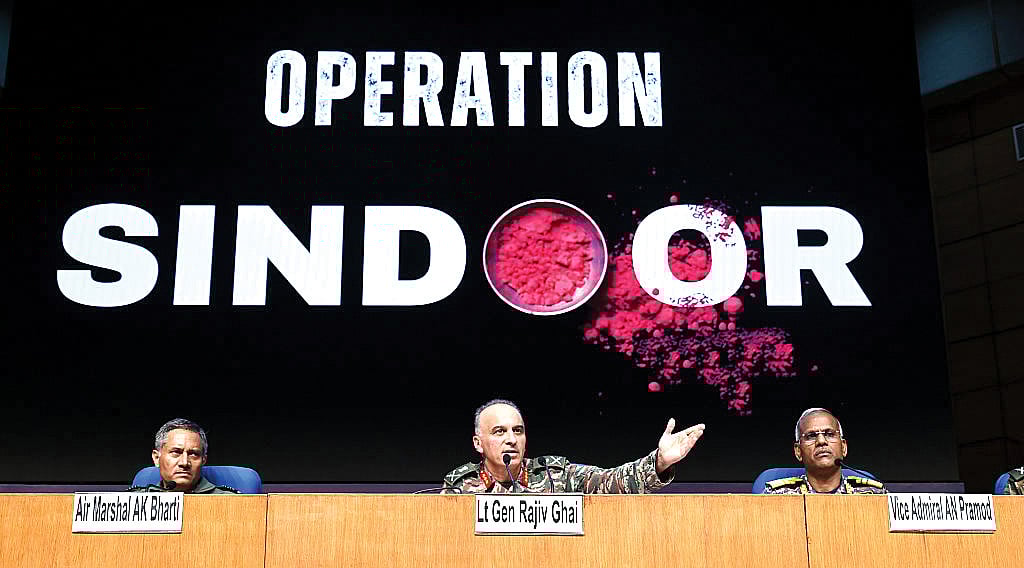
Murali Naik was a young soldier recruited under the Agnipath scheme. In May 2023, he was serving in the Poonch area of Jammu and Kashmir during a mission called Operation Sindoor. During this time, there was heavy shelling from across the border. Murali was killed during this exchange of fire. His mother, Jyotibai Naik, later filed a petition in court. She argues that even though her son did the same dangerous work as any other soldier, his family is being denied the long-term support that regular soldiers' families receive.
Important Numbers and Facts
The Bombay High Court bench, led by Justice Ravindra Ghuge and Justice Hiten Venegaonkar, has given the Centre a final deadline of May 6 to file their response. The court noted that it had already asked for a response in December and January, but the government had remained silent. If the government misses this new deadline, the court has threatened to impose "heavy costs," which means a financial penalty. The family has already received a one-time payment of about Rs 1 crore, but they are fighting for a monthly pension and other institutional honors. The next hearing for the case is scheduled for June 18.
Background and Context
The Agnipath scheme is a relatively new program for hiring soldiers in India. Under this plan, young people join the military for a four-year period. These soldiers are known as Agniveers. While the program was designed to make the military younger, it has faced criticism. One of the main complaints is the difference in benefits. When a regular soldier dies in battle, their family receives a lifelong pension and other welfare support. However, under the current rules, the families of Agniveers do not get these long-term benefits. They only receive a one-time payment. Murali Naik’s mother believes this creates an unfair gap between soldiers who are taking the same risks for their country.
Public or Industry Reaction
The legal team representing Jyotibai Naik argues that the current policy is "discriminatory." They believe it treats soldiers differently based on their contract type rather than their service. The petition claims that this violates the fundamental rights of the soldiers. Before going to court, the mother wrote several letters to government authorities asking for help, but she says she received no reply. This lack of communication is what eventually led her to seek help from the High Court. Many people watching the case believe it touches on a sensitive issue of fairness and national respect for those who serve in the military.
What This Means Going Forward
The outcome of this case will be very important for the thousands of young men and women currently serving as Agniveers. If the court decides that the government must provide equal benefits, it will mean more financial security for military families. It could also lead to a broader review of the Agnipath scheme itself. For now, the government must explain why it believes the current system is fair. If they fail to provide a strong legal reason, the court may step in to protect the rights of the families of fallen soldiers. The hearing in June will be a key moment for military policy in India.
Final Take
A soldier’s life has the same value regardless of the name of the program they joined. When a person dies defending the country, their family deserves full support and respect. The Bombay High Court’s decision to push the government for answers shows that the law values fairness over administrative rules. This case is not just about money; it is about making sure that every hero is treated with the same dignity after they are gone.
Frequently Asked Questions
What is an Agniveer?
An Agniveer is a soldier recruited under the Agnipath scheme, which is a short-term service program for the Indian military. They usually serve for four years.
Why is the mother of the soldier in court?
She is asking for the same benefits, such as a monthly pension and long-term welfare, that are given to the families of regular soldiers who die in action.
What did the court say to the government?
The court criticized the government for delaying its response and warned that it would charge a heavy fine if the government does not file its answer by May 6.