
Summary
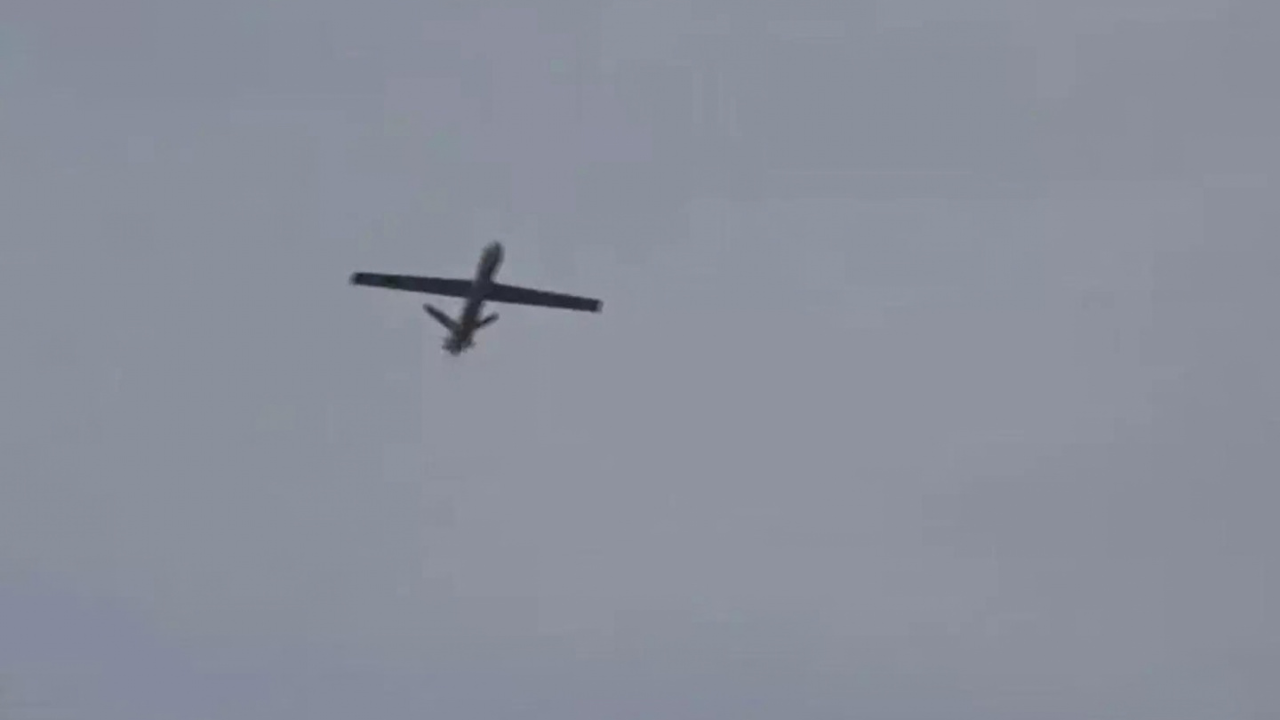
Afghanistan has carried out drone strikes against a Pakistani military fort in the Kohat region. This action was a direct response to earlier Pakistani air attacks that killed four people in the cities of Kabul and Kandahar. The exchange of fire marks a serious increase in tension between the two neighboring countries. Both sides are now accusing each other of violating border rules and national sovereignty.
Main Impact
The decision by Afghan forces to target a military fort deep within Pakistani territory shows a major shift in the conflict. In the past, most fights happened directly on the border line. Now, the use of drones allows both sides to hit targets further away from the frontier. This change makes the situation much more dangerous for military personnel and civilians living in these areas. It also suggests that the Afghan government is ready to use more advanced technology to defend what it sees as its territory.
This escalation could lead to a breakdown in communication between the two nations. When military centers are targeted, the risk of a full-scale war increases. The impact is not just military; it also affects trade and the movement of people across the border. If the violence continues, it could cause a humanitarian crisis in a region that is already struggling with poverty and instability.
Key Details
What Happened
Afghan military forces launched drone strikes against several Pakistani military centers in the Khyber Pakhtunkhwa province. The most significant target was a fortress and a command center located in Kohat. According to Afghan officials, these strikes were necessary because Pakistan had sent planes into Afghan airspace during the night. They described these flights as "night-time violations" that could not go unanswered. The Afghan side claims they are only acting to protect their land and people after the deadly strikes in Kabul and Kandahar.
Important Numbers and Facts
The conflict began to worsen after Pakistani strikes killed four people in two of Afghanistan's largest cities, Kabul and Kandahar. These cities are central to Afghan life, and attacks there are seen as a major provocation. The retaliatory strikes by Afghanistan focused on the Kohat military fort, which is a key base for the Pakistani army in the northwest. The border where these tensions are highest is the Durand Line, which stretches for about 2,640 kilometers. This line has been a point of argument for many years, and recent events have made the dispute even more heated.
Background and Context
The trouble between Afghanistan and Pakistan is not new. It centers on the Durand Line, a border drawn in 1893 during the time of British colonial rule. Afghanistan has never officially recognized this line as a permanent international border. They argue it was forced upon them and splits families and ethnic groups apart. On the other hand, Pakistan views the line as a fixed border and has spent a lot of money building a fence along it to control movement.
Since the Taliban took control of Afghanistan in 2021, the relationship has become even more complicated. Pakistan often claims that militant groups use Afghan soil to plan attacks against Pakistani targets. Afghanistan denies this and says that Pakistan is trying to interfere in its internal affairs. These constant disagreements over security and the border have led to many small fights, but the recent use of drones and strikes on major cities shows that the situation is getting much worse.
Public or Industry Reaction
People living in the border regions are very worried about their safety. Many families have started to pack their belongings and move away from the military sites, fearing more drone strikes. Local leaders have called for calm, but the mood remains very tense. Security experts are also expressing concern. They point out that the use of drones is a new and worrying development in this specific conflict. It means that traditional border defenses are no longer enough to keep either side safe.
International observers are watching the situation closely. There are fears that if the two countries do not stop fighting, it could affect the stability of the entire South Asian region. Some neighboring countries have asked both sides to sit down and talk, but so far, there has been more military action than diplomatic discussion.
What This Means Going Forward
The next few weeks will be critical for the region. If Pakistan decides to respond with even more force, the two countries could find themselves in a long and bloody conflict. This would be bad for everyone, as both nations are currently facing difficult economic times. A war would drain resources that are needed for food, health, and education.
There is also the risk that trade routes will be closed. Many goods move between Afghanistan and Pakistan every day. If the border stays a battleground, prices for basic items will go up, hurting the poorest people the most. The international community will likely try to step in to mediate, but success depends on whether both governments are willing to compromise on the border issue.
Final Take
The drone strikes on the Kohat military fort represent a dangerous new chapter in the long-standing dispute between Afghanistan and Pakistan. While both sides claim they are only defending themselves, the cycle of revenge is making the region less safe for everyone. Moving forward, the only way to prevent more loss of life is through honest dialogue and a clear agreement on border security. Without a peaceful path, the risk of a larger and more destructive war remains very high.
Frequently Asked Questions
Why did Afghanistan launch drone strikes against Pakistan?
Afghanistan launched the strikes as a retaliatory move. They claim Pakistan first conducted air strikes that killed four people in Kabul and Kandahar and violated Afghan airspace during the night.
What is the Durand Line?
The Durand Line is the 2,640-kilometer border between Afghanistan and Pakistan. It was created in 1893, but Afghanistan does not recognize it as an official international boundary, which leads to frequent conflict.
Where did the Afghan retaliatory strikes take place?
The strikes targeted military centers in Pakistan's Khyber Pakhtunkhwa province, specifically focusing on a military fortress and a command center in the Kohat area.

