
Summary
A major political dispute has broken out following the decision by the Rajya Sabha Secretariat to approve the merger of seven Aam Aadmi Party (AAP) members with the Bharatiya Janata Party (BJP). Senior leader Atishi has strongly criticized this move, calling it a violation of the Indian Constitution. She claims that the merger ignores existing laws designed to prevent politicians from switching parties. This development marks a significant shift in the power balance within the upper house of Parliament.
Main Impact
The acceptance of this merger has immediate effects on the strength of the opposition in the Rajya Sabha. By losing seven members to the ruling party, the AAP sees its influence reduced in national decision-making. Atishi argues that this action sets a dangerous example for democracy in India. She suggests that if party members can switch sides without facing legal consequences, the will of the voters is being ignored. This move strengthens the BJP's position, making it easier for them to pass new laws and policies without heavy resistance from the opposition.
Key Details
What Happened
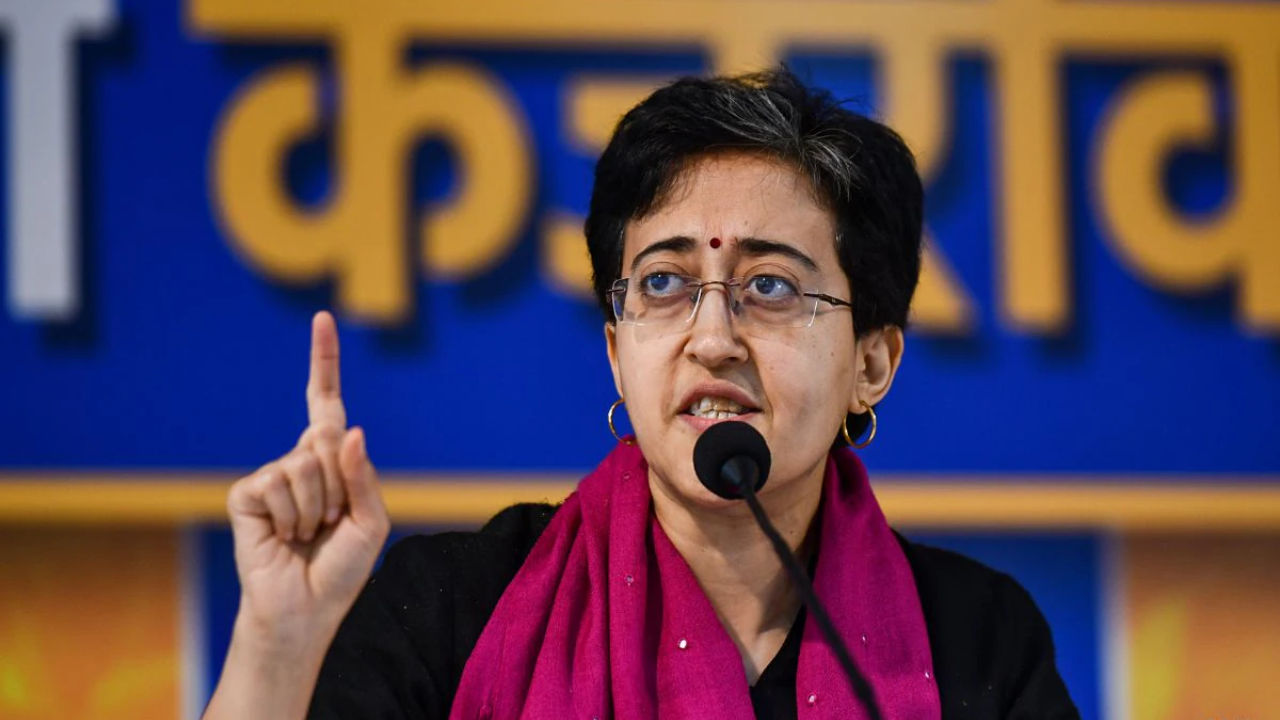
The Rajya Sabha Secretariat officially recognized seven MPs who were originally elected under the AAP banner as now being part of the BJP. This recognition follows a period of political tension where these members moved away from their original party. Atishi, representing the AAP leadership, held a press conference to voice her party's anger. She stated that the move is not just a political shift but a direct attack on the legal framework of the country. According to her, the Secretariat should not have allowed this merger to stand under current legal rules.
Important Numbers and Facts
The merger involves seven individual Members of Parliament. Under the Tenth Schedule of the Indian Constitution, also known as the anti-defection law, there are strict rules about how and when members can join another party. Usually, a merger is only considered valid if a large majority of the original party's elected members agree to it. Atishi points out that these conditions were not met in this case. The AAP maintains that these seven members should have been disqualified instead of being allowed to join the BJP as a group.
Background and Context
The anti-defection law was created to bring stability to the Indian government. In the past, politicians would often change parties for personal gain or power, which made the government unstable. The law was meant to stop this "horse-trading" by punishing those who leave the party they were elected with. However, there are exceptions for mergers. The current debate centers on whether this specific move by the seven MPs fits those exceptions. The AAP and the BJP have been in a long-running political battle, especially in Delhi, and this latest event is seen as another chapter in that ongoing conflict.
Public or Industry Reaction
The reaction from the AAP has been one of deep frustration. Atishi used strong language, describing the BJP's actions as "atrocities" against the democratic system. She warned Prime Minister Narendra Modi that history would remember these actions as a misuse of power. On the other side, supporters of the move suggest that the MPs chose to leave because of internal issues within the AAP. Legal experts are now looking closely at the Secretariat's decision to see if it will hold up if challenged in court. Many political observers believe this will lead to a long legal fight in the higher courts.
What This Means Going Forward
This event is likely to end up in the Supreme Court. The AAP is expected to file a legal challenge to reverse the Secretariat's decision. If the court agrees with Atishi, the seven MPs could lose their seats in the Rajya Sabha, which would lead to new elections for those positions. If the court supports the merger, it could change how the anti-defection law is applied in the future. This situation also puts more pressure on the relationship between the central government and opposition-led state governments. Voters will be watching closely to see how their representatives handle these legal and ethical questions.
Final Take
The merger of these seven MPs is more than just a change in numbers; it is a test of India's political rules. While the BJP gains more power in the Rajya Sabha, the AAP is fighting to protect its presence and the integrity of the anti-defection law. The final outcome will depend on how the courts interpret the Constitution in the coming months.
Frequently Asked Questions
What is the anti-defection law?
It is a law in the Indian Constitution that prevents elected officials from leaving their political party to join another one. It is meant to keep the government stable and respect the choice of the voters.
Why is Atishi calling the merger unlawful?
She believes the seven MPs did not follow the specific legal requirements needed to merge with another party. She argues they should be disqualified from Parliament rather than being allowed to join the BJP.
What happens next in this dispute?
The AAP is likely to take the matter to court. A judge will have to decide if the Rajya Sabha Secretariat followed the law correctly when they approved the merger of the seven members.



