Summary
The Indian government recently called a special session of Parliament to introduce the 131st Amendment Bill. While the bill is presented as a way to give women more power through reserved seats, it also includes major changes to how Parliament is structured. These changes could significantly shift political power between different states based on their population. Many people are concerned about the timing of this move and the lack of discussion with other political parties.
Main Impact
The biggest impact of this bill is the proposed change to how many seats each state gets in the Lok Sabha. By removing long-standing rules that kept seat numbers stable, the bill could give much more power to states with large populations, mostly in Northern India. At the same time, states in the South and East that have successfully controlled their population growth might lose their relative influence in national politics. This shift could change the results of future elections and affect how the country is governed for decades.
Key Details
What Happened
The government called for a special session of Parliament from April 16 to April 18, 2026. This happened right in the middle of important state elections. The text of the 131st Amendment Bill was kept secret until just 36 hours before the session began. This left very little time for the public or other political leaders to study the details. The bill aims to change several parts of the Constitution that decide how many members of Parliament represent each area.
Important Numbers and Facts
The bill proposes increasing the total number of seats in the Lok Sabha from 547 to 815. While this sounds like it would give everyone more representation, the distribution is not equal. For example, if these changes happen, Uttar Pradesh could see its seats jump from 80 to 132. In contrast, a state like Kerala might only see its seats go from 20 to 23. This means that even though Kerala's seat count goes up slightly, its overall power in Parliament would actually drop compared to larger states.
Background and Context
For nearly 50 years, India has used population data from 1971 to decide how many seats each state gets in Parliament. This was done to make sure that states were not punished for having successful family planning programs. If seats were based only on current population, states with very high birth rates would gain more power, while states with lower birth rates would lose out. This "freeze" on seat changes was meant to keep a fair balance between the different regions of India. The current freeze is set to end in 2026, which is why this bill is being introduced now.
Public or Industry Reaction
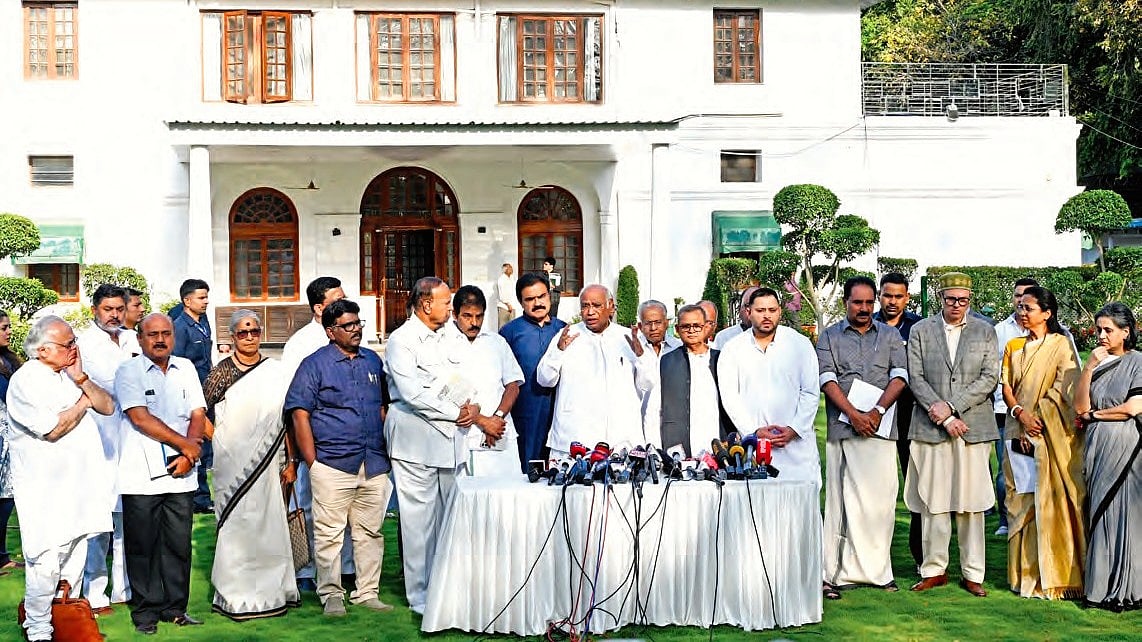
Opposition leaders have raised several concerns. Some argue that the government is using women's reservation as a "veil" to hide a bigger plan to change how elections work. They point out that the government previously said women's reservation could only happen after a new Census and a process called delimitation, which would take many years. Now, the government is changing those rules. Regional leaders, such as the Chief Minister of Tamil Nadu, have warned that these changes could hurt national unity by making Southern states feel ignored. They believe that states that followed national goals for population control should not be punished with less political power.
What This Means Going Forward
If this bill becomes law, the way seats are shared among states will no longer be strictly protected by the Constitution. Instead, it could be decided by regular laws passed by a simple majority in Parliament. This gives the government in power much more control over how election boundaries are drawn. It also moves a lot of power to the Delimitation Commission. The next few years will likely see intense debates over which Census data to use—whether it is the older 2011 data or a newer Census from 2027. These decisions will decide which political parties have the best chance of winning future national elections.
Final Take
The 131st Amendment Bill is a complex piece of legislation that goes far beyond just helping women enter politics. While the goal of increasing women's representation is widely supported, the way it is being tied to the restructuring of Parliament has created deep suspicion. The move risks upsetting the balance between India's diverse states. True progress in a democracy requires open discussion and agreement between all regions, rather than sudden changes that seem to favor one group over another.
Frequently Asked Questions
What is the 131st Amendment Bill?
It is a proposed law that aims to reserve one-third of seats in Parliament for women and change how many seats are assigned to each state based on population.
Why are Southern states worried about this bill?
Southern states have slower population growth. If seats are assigned strictly by population, these states will have a smaller share of power in Parliament compared to Northern states with faster-growing populations.
When would the women's reservation take effect?
Under the new proposal, the government suggests that reservation for women could be ready for the 2029 national elections, as it removes the requirement to wait for a new Census first.