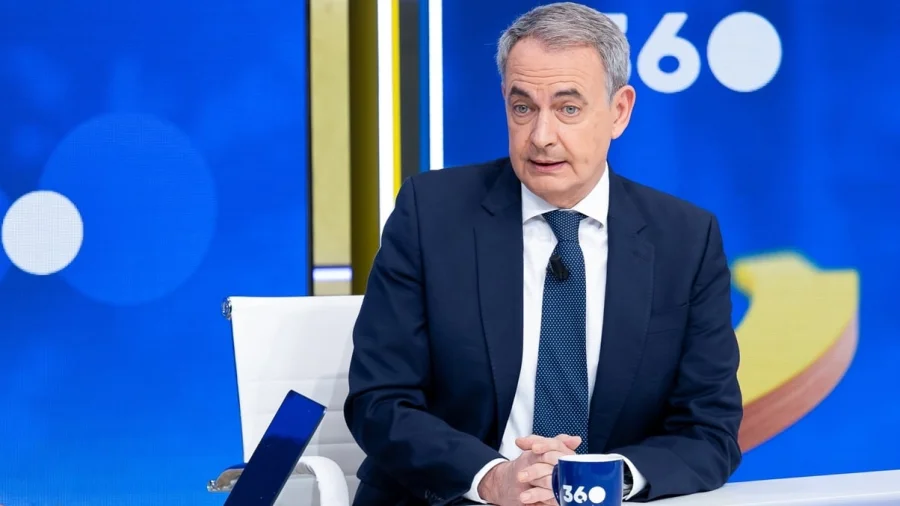
Former Spanish Prime Minister José Luis Rodríguez Zapatero has broken his silence. For two months, he stayed quiet—except for a brief video declaring his innocence. Now, in his first television interview since the Audiencia Nacional imputed him for leading an alleged illicit influence peddling network, Zapatero has spoken directly to the public. But his words, aired on TVE’s “Mañaneros,” offered few new legal revelations.
What Zapatero Said About the Plus Ultra Rescue
Zapatero was blunt. “It’s not that I didn’t influence, it’s that I didn’t speak to anyone,” he said, referring to the controversial rescue of airline Plus Ultra. The former PM denied any intervention or conversations related to the state-backed bailout. This mirrors what he told Judge José Luis Calama when he testified as an investigated person on June 17.
Why This Silence Broke Now
Zapatero admitted during the interview that his legal situation has created “a parallel problem.” Beyond the judicial process, he said, there is a “need” to explain himself because friends and party colleagues are demanding answers. This pressure, he suggested, pushed him to speak publicly—not to change the legal facts, but to address personal and political relationships.
What the Interview Revealed—and What It Didn’t
The interview, conducted on the program “Mañaneros,” was Zapatero’s first since the imputation. Yet it brought “scant novelties of legal impact,” according to reports. The former PM reiterated his innocence and his lack of involvement in the Plus Ultra rescue, but offered no new evidence or details that could alter the course of the investigation. The core legal question—whether Zapatero used his influence to secure the rescue—remains unanswered.
Human Impact: The Weight of a Public Figure Under Investigation
For Zapatero, the investigation is not just a legal matter. It is a personal and political crisis. The former leader of the Spanish Socialist Workers’ Party (PSOE) now faces scrutiny from both the courts and his own circle. His need to explain himself to friends and colleagues highlights the social and reputational toll of such a probe. For the public, the case raises questions about accountability and transparency in high-level decision-making.
Official Response: What the Courts Say
The Audiencia Nacional has not commented on Zapatero’s interview. The investigation, led by Judge José Luis Calama, continues. Zapatero’s testimony on June 17 remains the key legal statement. The interview does not change the judicial timeline or the evidence under review.
Context: The Plus Ultra Rescue and the Allegations
Plus Ultra, a Spanish airline, received a state-backed rescue package during the COVID-19 pandemic. The rescue was controversial, with critics alleging political favoritism. Zapatero was imputed for allegedly leading a network of illicit influence peddling related to the rescue. The former PM has consistently denied any wrongdoing.
Confirmed Facts vs What Remains Unclear
Confirmed: Zapatero gave an interview on TVE’s “Mañaneros” denying any involvement in the Plus Ultra rescue. He admitted a “parallel problem” of needing to explain himself to friends and party colleagues. Unclear: Whether new evidence will emerge in the investigation. The interview did not provide new legal details. The full scope of the alleged influence peddling network remains under judicial review.
Risks and Balanced View
Zapatero’s defense rests on his denial of any conversations or interventions. Critics may argue that his silence for two months and the lack of new details in the interview do not strengthen his case. Supporters may see his public statement as a sign of transparency. The investigation is ongoing, and no verdict has been reached.
Wider Trend: Political Figures Under Judicial Scrutiny in Spain
Zapatero’s case is part of a broader pattern in Spain, where former high-ranking officials face judicial investigations. This trend reflects growing public demand for accountability and the increasing role of the judiciary in political matters. The outcome of this case could set a precedent for how former leaders are treated in similar situations.
Practical Reader Guidance
For those following the case, the key is to monitor the judicial process. The interview does not change the legal status. Readers should rely on official court statements and verified news reports for updates. Avoid speculation based on political affiliations.
Future Outlook
The investigation will continue. Zapatero’s public defense may influence public opinion, but the legal outcome depends on evidence. No timeline for a resolution has been announced. The case could take months or years to conclude.
Our Take
Zapatero’s interview is a strategic move to manage public perception, not a legal turning point. His denial is consistent, but the lack of new details leaves the investigation’s core questions unanswered. The case highlights the tension between political legacy and judicial accountability. For now, the story remains one of a former leader defending his reputation while the courts do their work.
Frequently Asked Questions
What did Zapatero say about the Plus Ultra rescue?
Zapatero said, “It’s not that I didn’t influence, it’s that I didn’t speak to anyone,” denying any intervention or conversations related to the rescue.
Why did Zapatero give this interview now?
Zapatero said he felt a “need” to explain himself because friends and party colleagues were demanding answers, creating a “parallel problem” beyond his legal situation.
Did the interview provide new legal evidence?
No. The interview offered few new legal details and repeated his earlier testimony before Judge José Luis Calama on June 17.
What is the status of the investigation?
The investigation by the Audiencia Nacional, led by Judge José Luis Calama, continues. No verdict has been reached.