
Summary
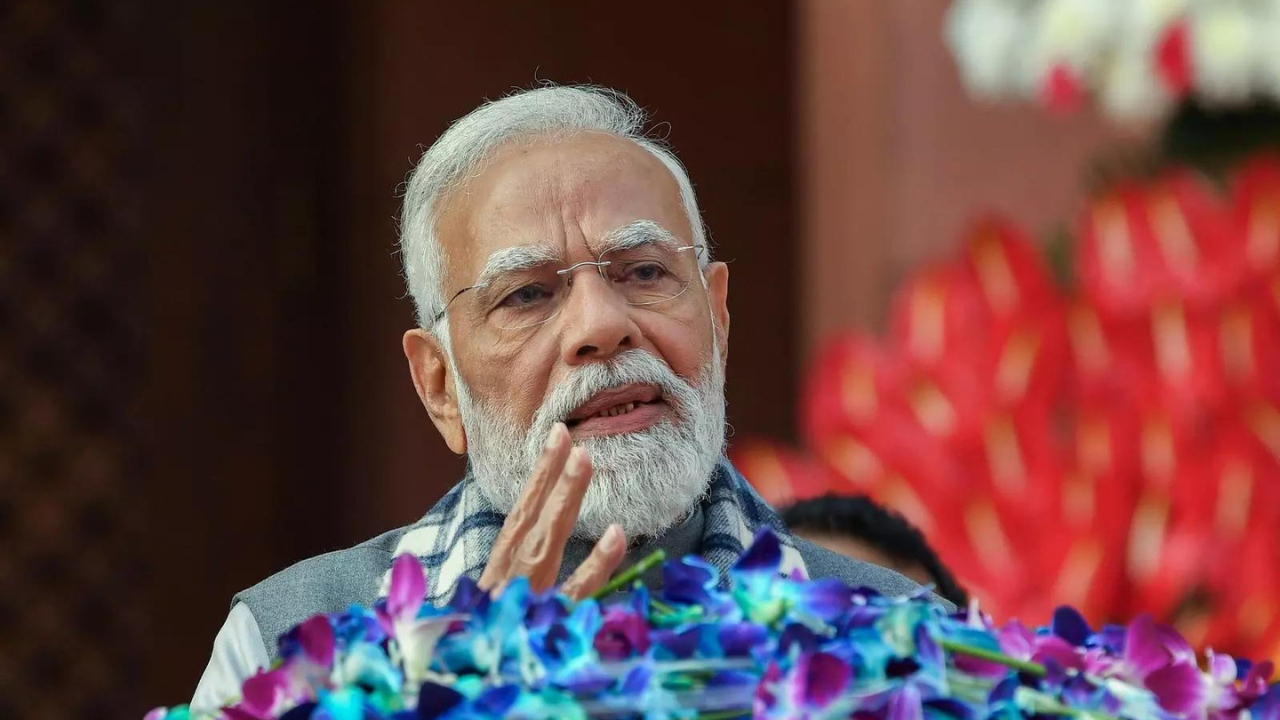
Prime Minister Narendra Modi recently shared updates on the development of the Yuge Yugeen Bharat Museum in New Delhi. This massive project is turning the historic North and South Blocks, which were once the center of government power, into a major cultural landmark. Once finished, it will be the largest museum in the world, focusing on the long and continuous history of Indian civilization. The project marks a significant shift in how the capital's most famous buildings are used, moving from administrative offices to public spaces for learning.
Main Impact
The most significant impact of this project is the physical and symbolic change of New Delhi’s "seat of power." For decades, the North and South Blocks were the high-security homes of the most powerful government ministries. By turning these buildings into a museum, the government is opening up these historic spaces to the general public. This move is part of a larger effort to highlight India's ancient roots and cultural identity. It signals a shift from a colonial-era style of governance to a focus on national heritage and pride.
Key Details
What Happened
The Indian government is currently repurposing the North and South Blocks on Raisina Hill to house the Yuge Yugeen Bharat Museum. The Prime Minister explained that this museum will tell the story of India from ancient times to the modern day. The transition is possible because the government offices that were located there are moving to new buildings as part of the Central Vista project. This allows the iconic sandstone structures to be preserved while serving a new purpose as a global cultural destination.
Important Numbers and Facts
The Yuge Yugeen Bharat Museum is designed to be a world-class facility with several impressive features. It will cover an area of over 1.1 lakh square meters, making it larger than many of the world's most famous museums. The museum will feature eight different sections, or "thematic segments," that represent different eras of Indian history. According to the current timeline, the first gallery is expected to open to the public later this year, in 2026. The entire project is scheduled to be fully completed within the next three years, by 2029.
Background and Context
The North and South Blocks were built in the early 20th century during British rule. They were designed by architect Herbert Baker and have served as the heart of the Indian government since the country gained independence in 1947. These buildings have traditionally housed the Ministry of Home Affairs, the Ministry of Finance, and the Ministry of External Affairs. The name of the new museum, "Yuge Yugeen Bharat," translates to "India of the Ages." This name was chosen to show that India is not just a modern nation-state but an ancient civilization that has continued to grow and change for thousands of years. The museum aims to collect and show artifacts that represent 5,000 years of Indian history in one place.
Public or Industry Reaction
The announcement has gained a lot of attention from historians, tourists, and the general public. Many people are excited about the chance to step inside the North and South Blocks, which were previously restricted to government officials and staff. Cultural experts believe that having a museum of this size will help India compete with global cities like Paris or London in terms of cultural tourism. However, some people have raised questions about how the old buildings will be modified to handle modern museum technology and large crowds. Overall, the reaction is positive, with many seeing it as a way to celebrate the country's long history.
What This Means Going Forward
In the coming years, New Delhi will see a major change in its tourism and cultural scene. As the galleries open, the museum is expected to attract millions of visitors from across the globe. This will likely lead to more jobs in the tourism and education sectors. The government will need to focus on using the latest technology, such as virtual reality and interactive displays, to make the ancient history interesting for younger generations. The success of the museum will depend on how well it balances the preservation of the historic buildings with the needs of a modern, high-tech museum.
Final Take
The Yuge Yugeen Bharat Museum is more than just a large building; it is a statement about India's place in the world. By choosing to put its history in the very buildings where its laws were made, the country is showing that its past is the foundation of its future. This project will likely become a central part of India's national identity, offering a place where everyone can learn about the journey of the nation through the ages. It marks a new chapter for New Delhi, where history and governance meet in a way that is open to everyone.
Frequently Asked Questions
Where is the Yuge Yugeen Bharat Museum located?
The museum is located in the North and South Blocks on Raisina Hill in New Delhi, which were formerly used as the main offices for the Indian government.
When will the museum be open to the public?
The first gallery of the museum is expected to open in 2026, with the entire project planned for completion by 2029.
How big will the museum be?
The museum will cover more than 1.1 lakh square meters, which will make it the largest museum in the world once it is finished.



