Summary
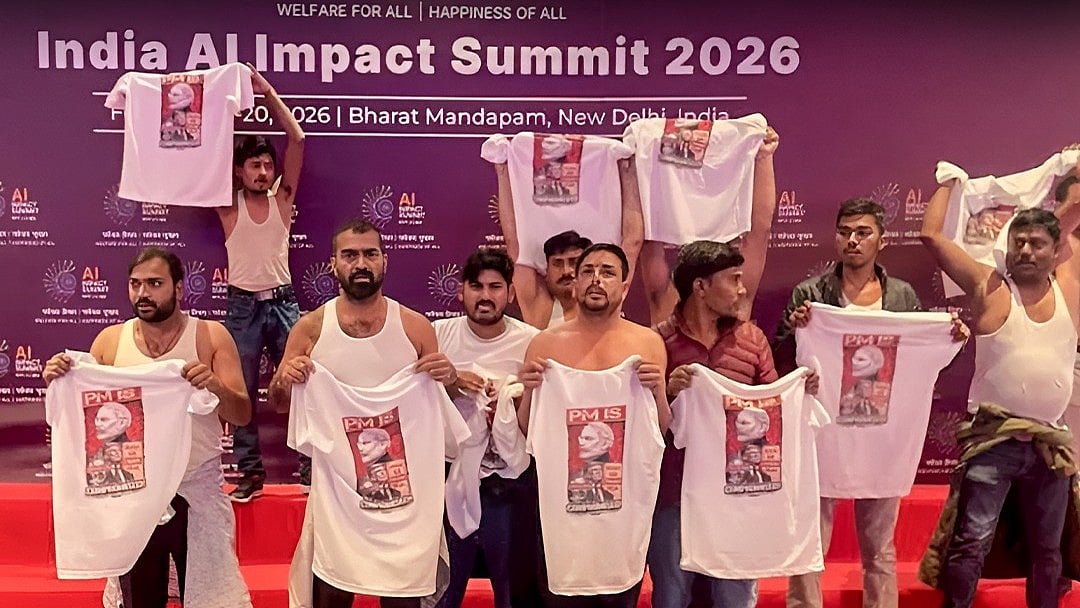
A recent shirtless protest by leaders of the Indian Youth Congress at a major Artificial Intelligence (AI) summit has sparked a national debate. The ruling Bharatiya Janata Party (BJP) criticized the demonstration, calling it a theatrical act that damages India’s reputation on the global stage. However, supporters of the protest argue that the right to disagree in public is a sign of a healthy democracy. The event has raised important questions about how a country’s image is truly built and whether elite spaces should be open to political dissent.
Main Impact
The primary impact of this protest is the tension it highlights between government-led showcases and the reality of political opposition. While the government aims to present India as a rising technological power, the opposition uses these high-profile events to point out perceived failures in governance and justice. This clash shows that India’s international standing is not just about technology or economic growth. It is also about how the country handles disagreement and whether its institutions, like the press and the legal system, remain strong and independent.
Key Details
What Happened
During a high-profile summit focused on Artificial Intelligence, members of the Indian Youth Congress held a shirtless demonstration. They chose this specific method to show a sense of urgency and vulnerability. The protesters targeted the summit because it was a place where powerful leaders and tech experts gathered. By showing up at such an elite event, they ensured their message would be seen by a global audience. The police eventually detained several activists, including the head of the Youth Congress, to clear the area.
Important Numbers and Facts
The protest was not just a general complaint but was linked to specific issues. One major point of concern was Galgotias University. Protesters claimed that the institution had made exaggerated claims about its technological achievements. They argued that if India wants to be a leader in the "knowledge economy," its educational institutions must be honest and transparent. Additionally, the activists brought up past cases of institutional failure, such as the handling of the Hathras and Unnao crimes, to show why they feel the current system needs more accountability.
Background and Context
To understand why this happened, it is helpful to look at how protests work around the world. Major global meetings, like the World Economic Forum in Davos or even the Academy Awards, often see demonstrations nearby. In many free countries, these protests are seen as a normal part of life. They do not make the events less important. Instead, they show that the society is open enough to allow people to speak their minds, even when the world is watching. In India, the debate is about whether such protests help or hurt the country's "brand." The government believes they look messy, while the opposition believes they are necessary to keep leaders in check.
Public or Industry Reaction
The reaction to the shirtless protest was divided. The BJP was quick to condemn the act, saying it was inappropriate for such a formal setting. They argued that these kinds of displays make India look unstable to foreign investors and leaders. Even some members of other opposition parties felt uneasy about the method of the protest. On the other side, many activists and civil rights supporters defended the move. They argued that a democracy is judged by how it treats its critics, not by how quiet its streets are. They believe that if the government wants a better image, it should focus on improving human rights and press freedom rather than stopping protests.
What This Means Going Forward
Moving forward, this event suggests that political protests in India may become more creative and visible at major international events. As India hosts more global summits, the government will have to decide how to manage dissent. If the government tries to hide or stop all protests, it might actually hurt India’s image more by making the country look less democratic. The real test for the nation will be its ability to listen to these voices. Improving the quality of education, ensuring the safety of minorities, and protecting the rights of the press are the factors that will truly determine how the world sees India in the coming years.
Final Take
A strong and confident nation does not need to fear a protest at a technology summit. True progress is not just about building better AI or having fancy meetings; it is about creating a society where everyone feels heard and protected by the law. When young citizens stand up to ask tough questions, it shows that the spirit of democracy is still alive. Instead of dismissing these acts as mere spectacles, leaders should look at the underlying reasons why people feel the need to protest in the first place.
Frequently Asked Questions
Why did the Youth Congress protest shirtless?
The shirtless protest was a symbolic choice intended to show urgency and a refusal to be ignored. It was meant to represent the vulnerability of the common citizen in the face of powerful institutions.
What was the government's main criticism of the protest?
The ruling party argued that the protest was theatrical and inappropriate. They claimed that such actions at a global summit damage India’s reputation and make the country look bad to the rest of the world.
What specific issues were the protesters highlighting?
The protesters raised concerns about exaggerated technological claims at Galgotias University. They also used the platform to speak about broader issues like social justice, women's safety, and the protection of minority rights in India.