
Summary
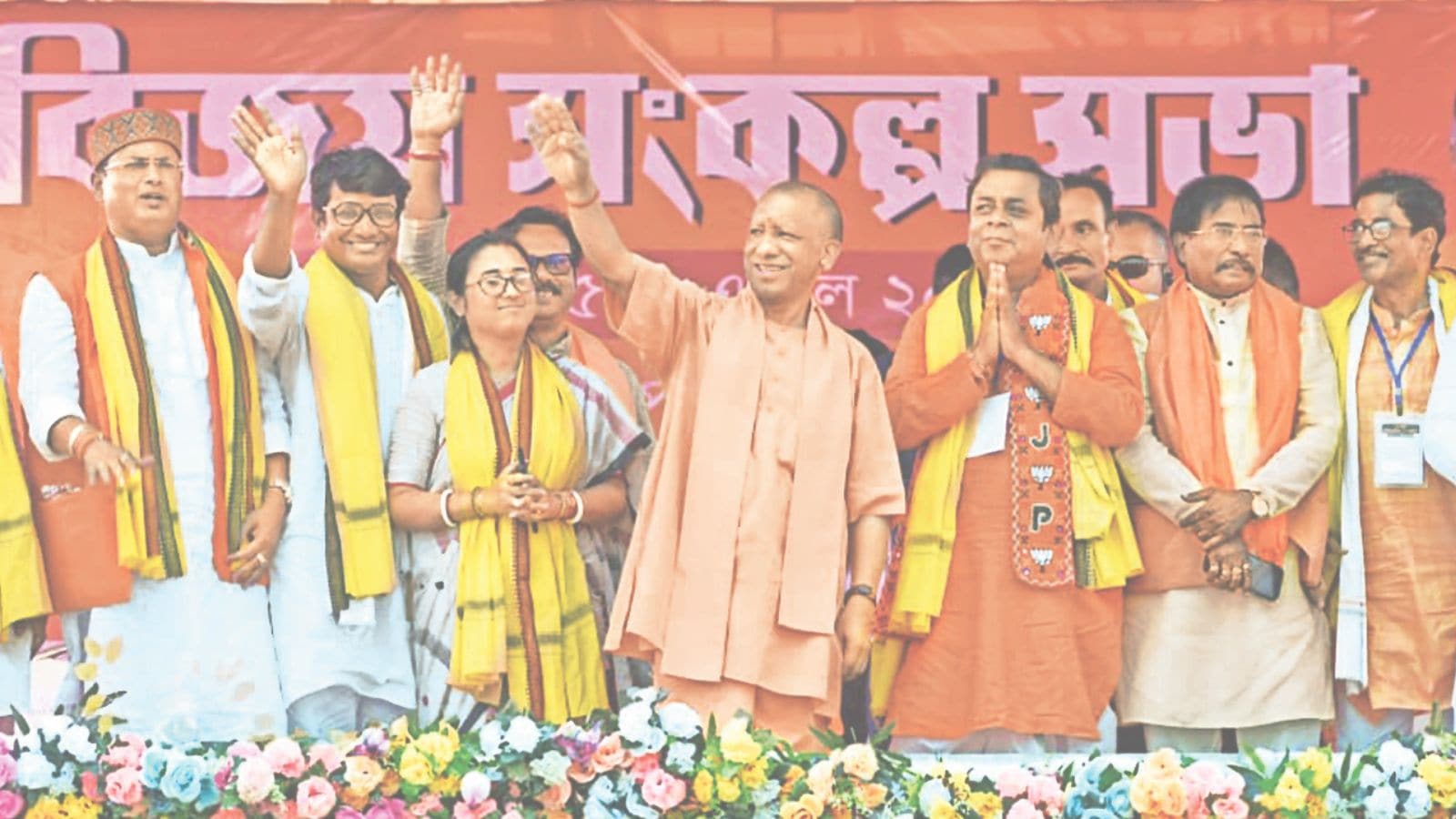
Uttar Pradesh Chief Minister Yogi Adityanath recently delivered a sharp speech during a political rally in West Bengal. He targeted Chief Minister Mamata Banerjee, often called "Didi," over her strong opposition to the Citizenship Amendment Act (CAA). Adityanath claimed that her resistance to the law is not based on logic but on a desire to protect her political support from specific groups. He suggested that her priorities lie in maintaining religious traditions, such as holding Iftar gatherings on public roads, rather than following national laws.
Main Impact
This speech has intensified the ongoing political battle between the Bharatiya Janata Party (BJP) and the Trinamool Congress (TMC). By bringing up religious practices like Iftar in the context of a national citizenship law, Adityanath is focusing the election debate on religious identity. This move is designed to highlight what the BJP calls "appeasement politics," where a government allegedly favors one community to win votes. The impact is a more divided political atmosphere as both parties try to win over voters before the upcoming elections.
Key Details
What Happened
During a crowded rally, Yogi Adityanath spoke to a large group of supporters about the state of governance in West Bengal. He argued that the current state government is blocking progress by opposing central laws like the CAA. He specifically pointed out that while the state government seems comfortable with religious events blocking public roads, it stands against a law meant to help persecuted minorities from neighboring countries. He used this comparison to claim that the TMC government puts its own political interests above national security and the rights of refugees.
Important Numbers and Facts
The Citizenship Amendment Act was passed by the Indian Parliament in late 2019. It aims to provide a path to citizenship for non-Muslim refugees from Pakistan, Bangladesh, and Afghanistan who entered India before December 31, 2014. These groups include Hindus, Sikhs, Buddhists, Jains, Parsis, and Christians. West Bengal is a key state for this law because it shares a long border with Bangladesh. Thousands of people living in the state could be affected by how this law is put into practice. Political experts note that the refugee vote is a major factor in at least 30 to 40 assembly seats in the state.
Background and Context
The fight over the CAA has been one of the most heated topics in Indian politics for several years. The BJP argues that the law is a humanitarian gesture to help people who were treated poorly in neighboring countries because of their religion. On the other side, Mamata Banerjee and her party argue that the law is unfair because it leaves out Muslims. They also fear that the CAA, combined with a potential National Register of Citizens (NRC), could lead to many legal residents losing their status. This debate is especially sensitive in West Bengal due to its history of migration and its diverse population.
Public or Industry Reaction
The reaction to Adityanath’s comments has been split along party lines. TMC leaders quickly hit back, calling the remarks an attempt to spread communal tension. They argued that West Bengal has a long history of people from all religions living together peacefully and that the BJP is trying to break that bond for electoral gain. Meanwhile, BJP supporters have shared the speech widely on social media. They believe that the Chief Minister of Uttar Pradesh is speaking the truth about how public spaces are used and how laws are applied differently to different groups in the state.
What This Means Going Forward
As the election season continues, voters can expect more high-voltage speeches focusing on identity and religion. The BJP is likely to keep pushing the CAA as a major campaign promise to attract refugee communities. At the same time, the TMC will likely continue to frame the law as a threat to the state's social fabric. This situation creates a high-stakes environment where every local issue is viewed through the lens of national identity. The next steps will involve how the central government decides to implement the CAA rules and how the state government tries to stop them.
Final Take
The clash between Yogi Adityanath and Mamata Banerjee shows the deep ideological divide in Indian politics today. One side emphasizes a uniform national policy and the protection of specific minority groups from abroad. The other side focuses on regional identity and the inclusion of all local residents regardless of their background. As these two powerful leaders continue to trade words, the voters of West Bengal will ultimately have to decide which vision of the future they trust more.
Frequently Asked Questions
What is the CAA?
The Citizenship Amendment Act (CAA) is a law that makes it easier for persecuted religious minorities from Pakistan, Afghanistan, and Bangladesh to become Indian citizens if they arrived in India before 2015.
Why does Mamata Banerjee oppose the CAA?
She argues that the law is discriminatory because it excludes Muslims and fears it could be used to target legal residents when combined with other citizenship checks.
Why did Yogi Adityanath mention Iftar in his speech?
He used it as an example to claim that the West Bengal government allows certain religious activities to disrupt public life while opposing national laws that he believes are beneficial for the country.



