
Summary
Weavers in the textile industry are expressing deep concern as yarn prices remain high despite recent government interventions. Even though the government provided specific exemptions intended to lower costs, the market has not seen the expected price drop. This situation is creating a financial bridge that small and medium-sized weaving units are struggling to cross. Without a decrease in raw material costs, the entire fabric production chain faces significant pressure.
Main Impact
The primary impact of these high prices is a sharp decline in the profit margins for independent weavers. When the cost of yarn stays high, the cost of producing finished cloth also rises. However, weavers often cannot raise their selling prices because the market is already competitive and buyers are unwilling to pay more. This leaves the people who operate the looms in a position where they are spending more to produce goods but earning less in return. If this continues, many small workshops may have to reduce their working hours or shut down entirely.
Key Details
What Happened
The government recently introduced exemptions on certain quality standards and import rules to help the textile sector. The goal was to allow more raw materials to enter the market at a lower cost. Weavers expected that these changes would lead to an immediate drop in the price of yarn. Instead, yarn manufacturers have kept their prices at elevated levels. Weavers argue that the benefits of the government's policy are being kept by the large yarn producers rather than being passed down to the small businesses that actually turn the yarn into fabric.
Important Numbers and Facts
In major textile hubs like Surat, there are hundreds of thousands of power looms that rely on a steady supply of affordable synthetic and cotton yarn. Recent reports show that while the cost of some raw chemicals used to make yarn has stabilized, the market price for the yarn itself has stayed 10% to 15% higher than what weavers consider a fair rate. These small businesses often operate on very thin margins, sometimes as low as 2% or 3%, meaning even a small increase in material costs can turn a profitable month into a loss.
Background and Context
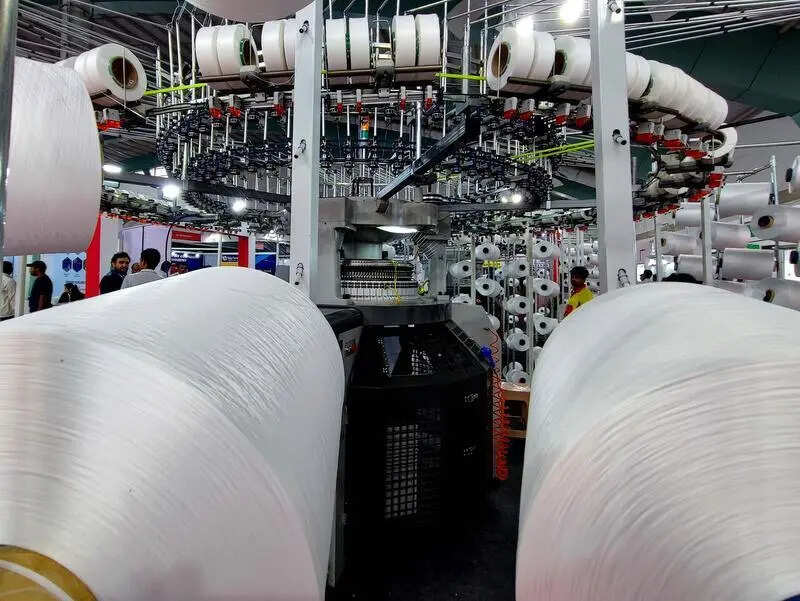
To understand why this matters, it is helpful to look at how the textile industry works. The process starts with raw fibers, which are spun into yarn by large spinning mills. Weavers then buy this yarn to create grey cloth, which is later dyed and printed to become the clothes we wear. Because weavers sit in the middle of this chain, they are vulnerable to price changes from both sides. In recent years, the government has tried to regulate the quality of yarn coming into the country to protect local industries. However, these regulations sometimes make it harder to get cheap materials, which is why the recent exemptions were so highly anticipated.
Public or Industry Reaction
The reaction from the weaving community has been one of frustration and disappointment. Industry leaders from various weaving associations have held meetings to discuss the issue. They claim that the big yarn spinning mills are forming groups to keep prices artificially high. On the other side, yarn manufacturers argue that their own costs, such as electricity and labor, have gone up, making it impossible for them to lower prices right now. This disagreement has created a tense atmosphere between the different parts of the textile supply chain.
What This Means Going Forward
Looking ahead, the situation could lead to a shortage of finished fabric in the market. If weavers cannot afford to buy yarn, they will produce less cloth. This could eventually lead to higher prices for consumers at clothing stores. There is also a risk that international buyers might look to other countries like Vietnam or Bangladesh if Indian fabric becomes too expensive. Industry experts suggest that the government may need to step in and monitor the pricing more closely to ensure that the exemptions they provided are actually helping the people they were meant to support.
Final Take
The current struggle over yarn prices shows that government policy alone is not always enough to fix market problems. While the exemptions were a good step, the benefits must reach every level of the industry to be effective. For the textile sector to stay healthy, there needs to be a balance where both the people making the yarn and the people weaving the cloth can make a fair living. Without this balance, the small businesses that form the backbone of the industry will continue to face an uncertain future.
Frequently Asked Questions
Why are yarn prices still high?
Even though the government gave tax and rule exemptions, yarn manufacturers have not lowered their prices. They claim that other costs like power and transport are still very high.
How does this affect the average person?
If weavers have to pay more for yarn, the price of the final cloth goes up. This can eventually lead to more expensive clothing for shoppers in retail stores.
What are weavers asking for?
Weavers want the government to look into how yarn prices are set. They want to make sure that the savings from government exemptions are passed down to them instead of being kept by large suppliers.



