
Summary
World Hemophilia Day is observed every year on April 17 to raise awareness about a rare but serious blood disorder. Hemophilia is a genetic condition that prevents a person’s blood from clotting properly, which can lead to dangerous bleeding after an injury or even for no reason at all. This day serves as a global call to action to improve medical care and support for those living with the condition. By sharing stories and facts, health organizations hope to help patients get the treatment they need to live longer, healthier lives.
Main Impact
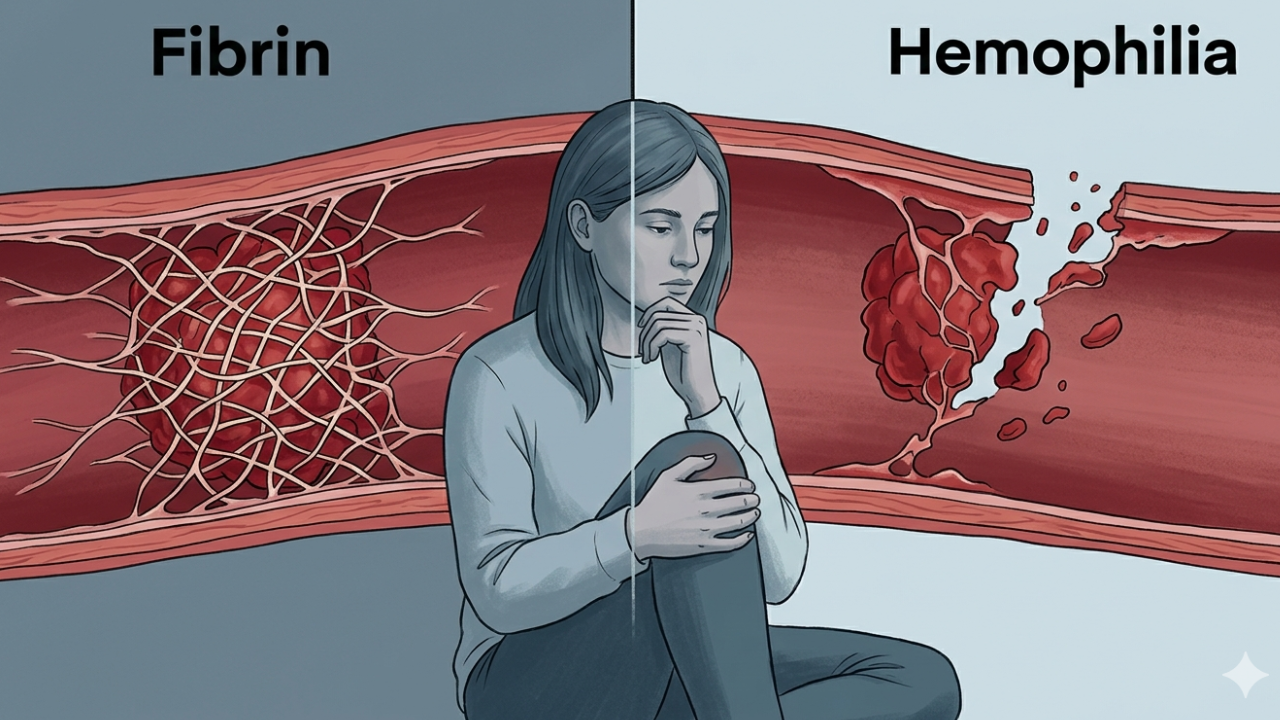
The biggest impact of hemophilia is the constant risk of internal and external bleeding. For most people, a small cut or a bruise is a minor issue that heals quickly because the blood thickens and stops the flow. For someone with hemophilia, the blood stays thin and continues to leak. This is not just about cuts on the skin; the most dangerous part is internal bleeding into the joints, muscles, and organs. Over time, this repeated bleeding can cause permanent damage to the knees, ankles, and elbows, often leading to chronic pain and physical disability.
Beyond the physical pain, the condition has a heavy financial and emotional weight. The medicine required to help the blood clot is very expensive. In many parts of the world, families struggle to afford the regular injections needed to keep a child safe. This creates a gap where people in wealthier countries can live normal lives, while those in poorer areas face life-threatening risks every day.
Key Details
What Happened
World Hemophilia Day was started by the World Federation of Hemophilia (WFH) in 1989. The date, April 17, was chosen to honor Frank Schnabel, the man who founded the organization. Every year, landmarks around the world are lit up in red to show support for the community. The goal is to bring together patients, doctors, and governments to talk about how to make healthcare more fair for everyone, regardless of where they live.
Important Numbers and Facts
There are two primary types of this disorder. Hemophilia A is the most common form and happens when a person lacks "Factor VIII," a specific protein that helps blood clot. It affects about one in every 5,000 males born. Hemophilia B is less common and happens when "Factor IX" is missing, affecting about one in every 20,000 males. While it is mostly found in men, women can carry the gene and sometimes show symptoms themselves.
Medical data shows that about 75% of people with bleeding disorders around the world still do not receive adequate care. Without treatment, the average life expectancy for someone with severe hemophilia is significantly shorter than that of a healthy person. However, with modern medicine, many patients can now live a full life span.
Background and Context
To understand hemophilia, it helps to think of the blood as a repair team. When you get a cut, your body sends special proteins called "clotting factors" to the site of the injury. These proteins work together like glue to create a plug that stops the bleeding. In a person with hemophilia, one of these "glue" pieces is missing. Because the chain is broken, the plug cannot form correctly.
Most of the time, this condition is passed down from parents to children through genes. However, in about one-third of all cases, there is no family history of the disease. In these instances, a random change in the genes happens at birth. This means any family can be affected, which is why early testing and awareness are so important for new parents.
Public or Industry Reaction
Doctors and patient advocacy groups are pushing for a shift in how the disease is managed. In the past, patients only received treatment after a bleed started. Now, experts recommend "prophylaxis," which means giving the patient regular medicine to prevent bleeds before they happen. This approach has been shown to save joints from damage and keep children in school and adults at work.
Health organizations are also calling on governments to lower the cost of these life-saving drugs. Many activists argue that access to blood-clotting medicine should be a basic human right. There is also a growing movement to train more local doctors in rural areas so that patients do not have to travel hundreds of miles to a city hospital just to get a simple injection.
What This Means Going Forward
The future of hemophilia treatment is looking brighter due to new scientific discoveries. One of the most exciting areas of research is gene therapy. This treatment aims to fix the broken gene so the body can start making its own clotting factors. If successful, this could mean that patients would no longer need weekly or daily injections. Some clinical trials have already shown that a single treatment can help a patient stay bleed-free for years.
In the short term, the focus remains on "treatment for all." This means making sure that even the most remote villages have access to basic care. As technology improves, new medicines are being developed that stay in the blood longer, meaning patients need fewer needles. The goal is to move toward a world where no one has to suffer from a "bleed that never stops."
Final Take
World Hemophilia Day is a reminder that while hemophilia is a lifelong challenge, it does not have to be a life-ending one. With the right medicine, support, and global attention, people with bleeding disorders can lead active and successful lives. The focus must stay on making sure that every person, no matter where they are born, has the chance to live without the fear of an injury they cannot stop.
Frequently Asked Questions
Can women have hemophilia?
Yes, although it is much more common in men. Women are usually "carriers" of the gene, but some can have low levels of clotting factors and experience heavy periods or bleeding after surgery.
Is there a cure for hemophilia?
Currently, there is no permanent cure that is widely available. However, gene therapy is being tested in labs and hospitals and may offer a long-term solution in the near future.
Can people with hemophilia play sports?
Yes, many can. With modern preventative treatment, doctors often encourage low-contact sports like swimming or cycling to keep muscles strong, which actually helps protect the joints from bleeding.



