
Summary
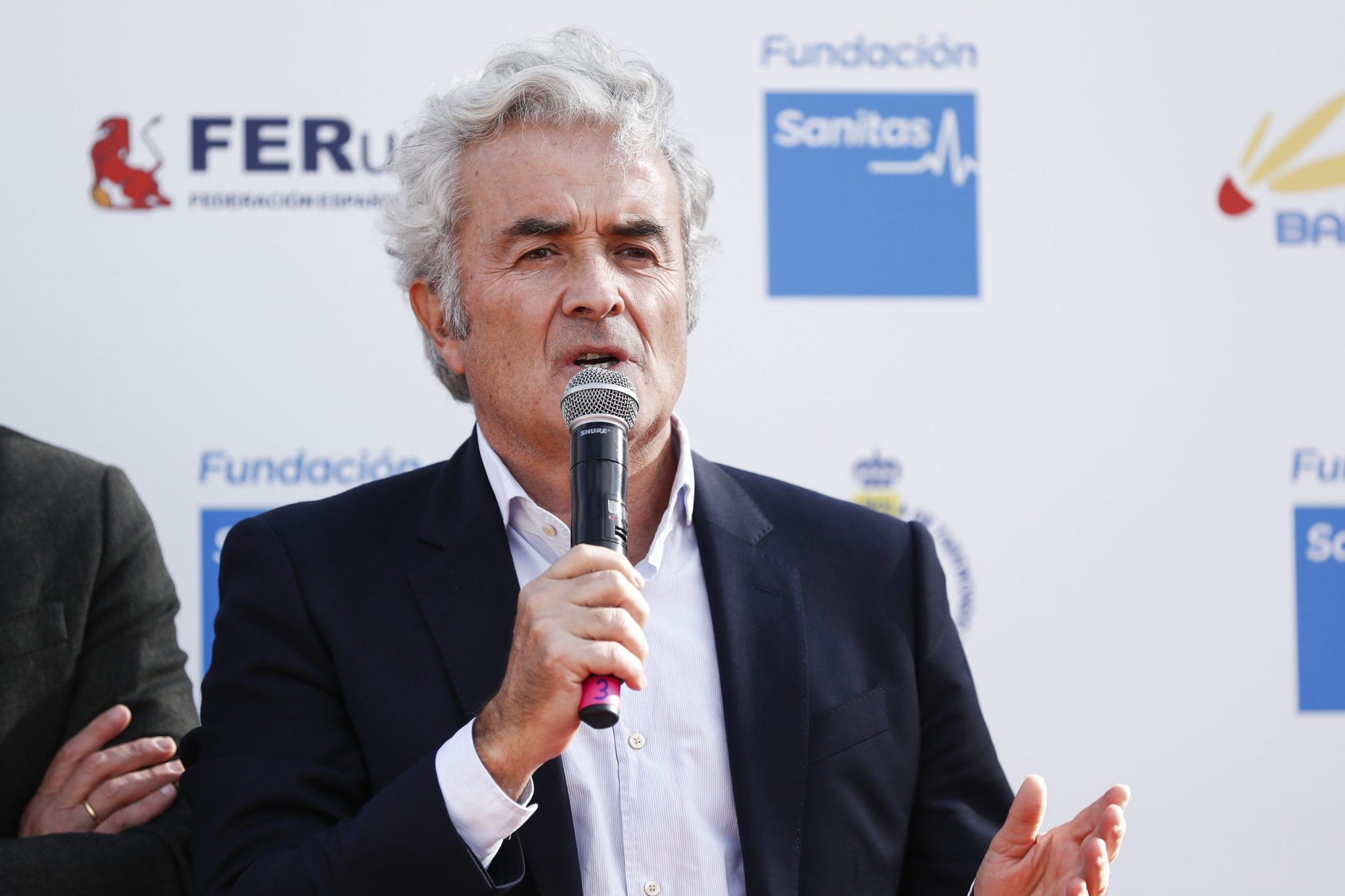
Iñaki Ereño, the CEO of the major healthcare company Bupa, believes that wanting a "work-life balance" is a sign that you are in the wrong career. He argues that if you truly enjoy your job, you will not feel the need to separate your work hours from your personal life. While many younger workers today prioritize balance above all else, Ereño suggests that the real goal should be finding work that you love enough to do even on the weekends.
Main Impact
This perspective challenges the modern idea that work and life must be kept strictly apart. For many employees, especially those in younger generations, a hard cutoff at 5 p.m. is a requirement for mental health. However, Ereño and other top leaders argue that this mindset prevents people from reaching the highest levels of success. They suggest that the "problem" people face isn't having too much work, but rather doing work that does not excite them. This shift in thinking moves the focus away from changing schedules and toward changing careers.
Key Details
What Happened
In a recent interview, Iñaki Ereño explained that he does not feel pressure when working on the weekends or answering emails during his personal time. He views his role as a natural part of his life rather than a burden. He starts his day early by reading several newspapers and spends his commute on the subway preparing for meetings. Even when he is at the gym with his son, he is often thinking about business problems or discussing work ideas. He believes this constant connection to his work is necessary to lead a massive global organization.
Important Numbers and Facts
- Company Size: Bupa is a Fortune 500 Europe company that earns about $23 billion (£16.9 billion) every year.
- Workforce: The company employs more than 100,000 people across the globe.
- Customer Base: Bupa serves over 60 million customers worldwide.
- Daily Routine: Ereño starts his day at 6:30 a.m. and holds back-to-back meetings from 8 a.m. until 6 p.m.
- Exercise: He goes to the gym six times a week, including four days of weightlifting and two days of cardio.
Background and Context
The idea of work-life balance became very popular after the pandemic, as many people began to value their free time more than their office time. For Gen Z and Millennial workers, flexibility and clear boundaries are often the most important factors when choosing a job. However, the "always-on" culture remains common among the world's most successful people. These leaders often see work as a passion or a mission rather than just a way to earn a paycheck. They believe that extraordinary achievements require a level of dedication that does not fit into a standard 40-hour week.
Public or Industry Reaction
Ereño is not the only leader who feels this way. Other famous figures have shared similar views. For example, Jensen Huang, the CEO of Nvidia, says he works from the moment he wakes up until he goes to sleep. Billionaire Lucy Guo has said that if you feel you need balance, you are likely in the wrong field. Even former President Barack Obama has noted that anyone who wants to be the best at something—whether in sports, music, or politics—must be willing to be "out of balance" for long periods. While these comments can be controversial to average workers, they represent a common belief among high achievers that total commitment is the only path to greatness.
What This Means Going Forward
This debate highlights a growing gap between how CEOs and employees view their roles. For companies, the challenge is to keep workers motivated without causing burnout. For individuals, the advice from leaders like Ereño is to stop looking for a job that gives you more free time and instead look for a job that you don't want to walk away from. As the job market changes, more people may start to prioritize "work-life integration," where work and personal interests blend together, rather than trying to keep them completely separate.
Final Take
True success often requires more than just showing up during office hours. While the demand for balance is understandable, the most successful people in the world suggest that passion is the real key to happiness. If you find yourself counting the minutes until the weekend, it might not be the hours that are the problem—it might be the work itself.
Frequently Asked Questions
Why does the CEO think work-life balance is a red flag?
He believes that if you are constantly worried about balancing your life, it means you do not enjoy your work enough. He thinks people should find careers they love so much that the hours do not feel like a burden.
Do other successful leaders agree with this view?
Yes, several leaders like the CEOs of Nvidia and Palantir, as well as former President Barack Obama, have said that reaching the top of any field requires intense focus and working beyond normal hours.
What is Iñaki Ereño’s daily routine?
He starts at 6:30 a.m., reads six newspapers, attends meetings from 8 a.m. to 6 p.m., walks home for 50 minutes to clear his head, and exercises six days a week.



