Summary
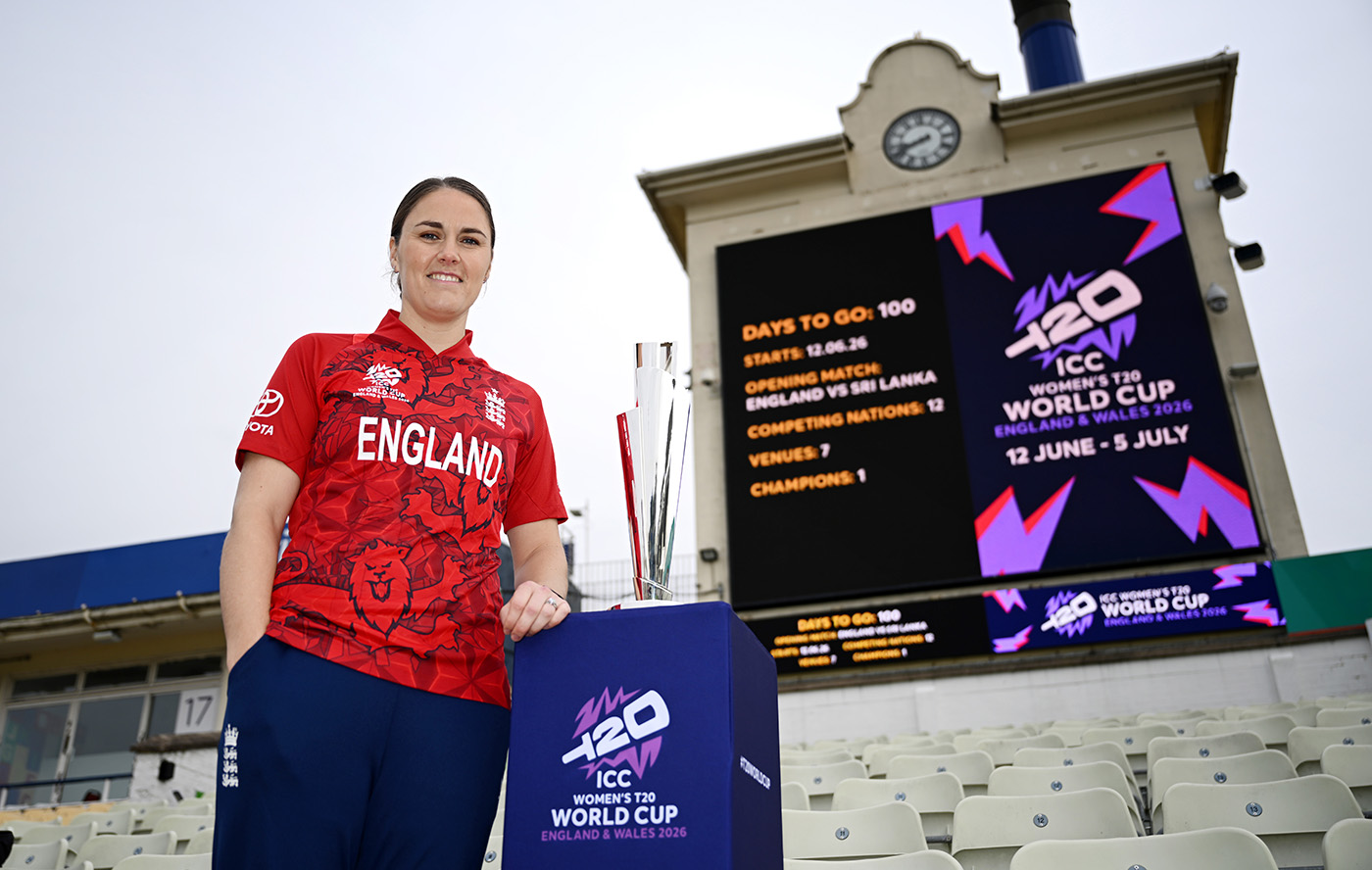
The International Cricket Council (ICC) has officially announced a 10% increase in the total prize money for the Women’s T20 World Cup. This financial boost is tied to the growth of the tournament, which is moving from a 10-team format to a 12-team format. By adding more teams and more matches, the ICC aims to reward players better and support the global growth of women’s cricket. This move is a major step in the ongoing effort to reach pay equality between men’s and women’s sports.
Main Impact
The most direct impact of this decision is that players and national teams will take home more money than ever before. A larger prize pool makes the sport more attractive to young athletes and provides much-needed funding for cricket boards around the world. As the tournament grows, it also creates more value for sponsors and television networks. This cycle of growth helps ensure that women’s cricket remains a professional and profitable career path for athletes in many different countries.
Key Details
What Happened
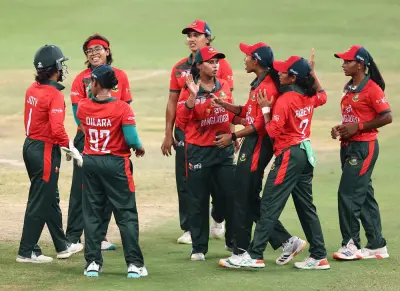
The ICC decided to raise the prize fund to match the new, larger size of the Women’s T20 World Cup. In previous years, only 10 teams competed in the event. Starting with the next cycle, 12 teams will participate. Because there are more teams, the schedule has to change to fit everyone in. This means fans will get to see more cricket, and the teams will have more chances to prove themselves on the field.
Important Numbers and Facts
The expansion of the tournament brings several big changes to the numbers. First, the total number of teams is increasing from 10 to 12. This change leads to a significant jump in the number of games played during the group stage. Previously, there were 20 group-stage matches, but that number will now rise to 30. This is a 50% increase in the amount of cricket played before the knockout rounds begin. The 10% increase in the prize pool is designed to cover this extra play and reward the additional teams entering the competition.
Background and Context
For many years, women’s cricket did not receive the same financial support as the men’s game. Prize money was often much lower, and there were fewer opportunities for women to play in major global events. However, the ICC has been working to change this. A few years ago, the organization set a goal to reach "prize money parity." This is a simple idea: it means that men and women should receive the same amount of money for finishing in the same position in a World Cup tournament.
In 2024, the ICC made a huge leap by offering a total prize pool of nearly $8 million for the Women’s T20 World Cup. The winner of that tournament received $2.34 million, which was the same amount given to the winners of the Men’s T20 World Cup earlier that year. This latest 10% increase shows that the ICC is staying committed to this path as the tournament continues to get bigger and more popular.
Public or Industry Reaction
The reaction from the cricket community has been very positive. Players from smaller nations are especially happy because the 12-team format gives them a better chance to qualify for the World Cup. When a team qualifies for a major event, it often receives more funding from its local government and sponsors. This money can be used to build better training centers and pay players a full-time salary.
Cricket experts also point out that more matches are good for the fans. With 30 group-stage games, there will be more cricket to watch on TV and more tickets available for people to buy. This helps the sport grow in countries where cricket is not yet the most popular game. By making the tournament bigger, the ICC is making sure that women’s cricket is seen by as many people as possible.
What This Means Going Forward
Looking ahead, the expansion to 12 teams is just the beginning. The ICC has plans to eventually grow the tournament even further to include 16 teams. This would bring the women’s event in line with the size of the men’s event. As the prize pool grows, the pressure on teams to perform will also increase. National cricket boards will need to invest more in their domestic leagues to make sure their players are ready for the higher level of competition.
There is also a hope that this move will encourage other sports to look at their own prize structures. When a major organization like the ICC shows that investing in women’s sports is good for business, other leagues often follow suit. The extra matches will also provide more data for coaches and scouts, helping to improve the quality of play across the board.
Final Take
The 10% increase in prize money is a clear sign that women’s cricket is thriving. By expanding the tournament to 12 teams and 30 group matches, the ICC is proving that there is a high demand for the women’s game. This move provides better financial security for players and ensures that the World Cup remains the most important event in the sport. As the gap between men’s and women’s prize money continues to close, the future of cricket looks brighter and more equal for everyone involved.
Frequently Asked Questions
Why is the prize money increasing?
The prize money is increasing by 10% because the tournament is expanding from 10 teams to 12 teams, which means there will be more matches played.
How many matches will be played in the new format?
The number of group-stage matches will increase from 20 to 30, giving fans more opportunities to watch their favorite teams play.
Is the prize money the same for men and women?
The ICC has committed to prize money parity, meaning they aim to pay men and women the same amount for their performance in World Cup events.