
Summary
Prime Minister Narendra Modi recently gave a speech about the new women’s reservation law, but it did not receive a warm welcome from all sides. Opposition parties quickly criticized the address, calling it a sign of political worry rather than a moment of national pride. They argued that the government is using the promise of more seats for women in parliament to hide other problems. Critics believe the speech was meant to distract voters from issues like rising prices and a lack of jobs.
Main Impact
The reaction from the opposition shows a deep divide in Indian politics regarding how women’s rights are handled. While the government claims the new law is a historic step for equality, the opposition sees it as a political tool. This disagreement has turned a major legislative win into a heated debate about timing and honesty. The main impact is that the public is now looking more closely at when these changes will actually happen, rather than just celebrating the law itself.
Key Details
What Happened
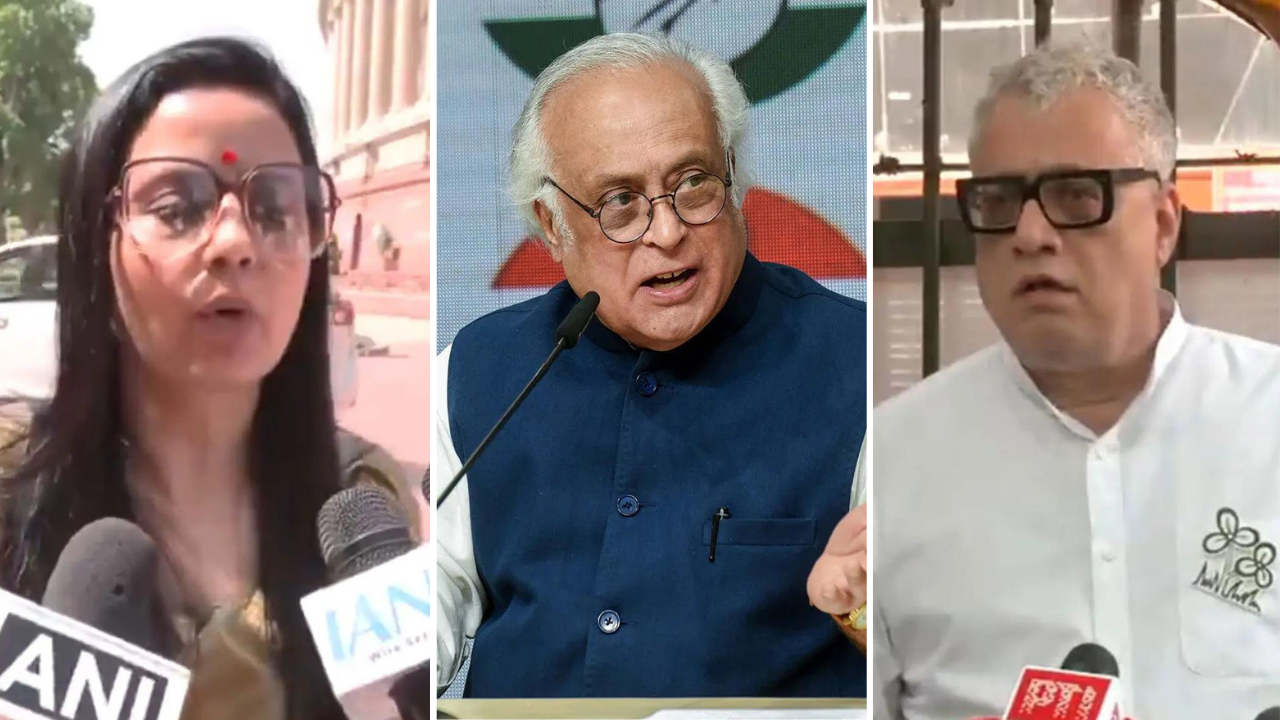
After the Prime Minister spoke about the Nari Shakti Vandan Adhiniyam, which is the official name for the women’s reservation bill, opposition leaders held nothing back. They described the speech as a "distress address." This term suggests that the Prime Minister is feeling pressure from voters and is trying to win them back with big promises. Leaders from the Congress party and other groups claimed that the government is using women as a "decoy" to move attention away from its failures in other areas.
The opposition is particularly upset because the law will not be put into practice right away. They argue that if the government truly cared about women’s representation, they would start the reservation in the very next election. Instead, the government has tied the law to other processes that could take many years to finish.
Important Numbers and Facts
The law promises to set aside 33 percent of the seats in the Lok Sabha and state assemblies for women. This is a huge change, as women currently hold a much smaller portion of those seats. However, the law states that this reservation will only start after two things happen: a new national census and a process called delimitation. Delimitation is when the government redraws the boundaries of voting areas based on the new census data.
The last census was supposed to happen in 2021 but was delayed. Because of these requirements, experts say the 33 percent reservation might not actually begin until 2029 or even later. This long wait is the main reason why the opposition is calling the Prime Minister's speech a political move instead of a real solution for women today.
Background and Context
For over twenty years, different governments in India have tried to pass a law to give women more power in politics. Many attempts failed because parties could not agree on the details. The current government finally passed the bill during a special session of Parliament, which was seen as a major victory. However, the excitement was short-lived as the fine print became clear.
The opposition parties, which recently formed a large group to challenge the government, want an immediate rollout of the reservation. They also want a specific part of the 33 percent to be reserved for women from Other Backward Classes (OBC). They argue that without this, the law will only benefit women from wealthy or powerful backgrounds, leaving others behind. This context explains why the Prime Minister's speech was met with such strong pushback.
Public or Industry Reaction
The response to the speech has been split along party lines. Supporters of the ruling party praised the Prime Minister for his vision and for finally making the law a reality. They believe he has done what previous leaders could not do. They see the speech as an inspiration for women across the country.
On the other side, social media and news outlets have been filled with comments from critics. Many people are asking why the government waited until just before the elections to pass this bill. Some political experts have noted that the "distress" mentioned by the opposition refers to the government's fear of losing support in key states. The term "decoy" has also trended online, with people debating whether the bill is a genuine gift to women or just a clever way to get votes.
What This Means Going Forward
In the coming months, the women’s reservation law will remain a top talking point in Indian politics. The government will likely continue to highlight it as one of their biggest achievements. Meanwhile, the opposition will keep pointing out the delays and the lack of an OBC quota. This will be a major issue in the next general election.
The real test will be the census. If the government starts the census quickly, it might prove that they are serious about the 2029 timeline. If the census continues to be delayed, the opposition's claims that the bill is just a "decoy" will gain more strength. For now, women in India must wait to see when they will actually get the promised seats in the halls of power.
Final Take
While the passing of the women’s reservation bill is a landmark event, the political fight surrounding it shows that laws are often about more than just policy. The clash between the Prime Minister’s speech and the opposition’s harsh critique highlights a lack of trust. For the law to truly change the country, it needs to move from being a speech topic to being a reality on the ground. Until then, it will continue to be a weapon used in political battles.
Frequently Asked Questions
What is the women’s reservation bill?
It is a law that reserves one-third of the seats in India's national and state legislatures for women to ensure they have a bigger voice in making laws.
Why is the opposition calling the speech a "distress address"?
They believe the Prime Minister is worried about losing the upcoming elections and is using the speech to gain favor with women voters while ignoring other national problems.
When will the 33 percent reservation actually start?
The reservation will only begin after a new census is completed and voting boundaries are redrawn. This means it likely won't happen until at least 2029.



