
Summary
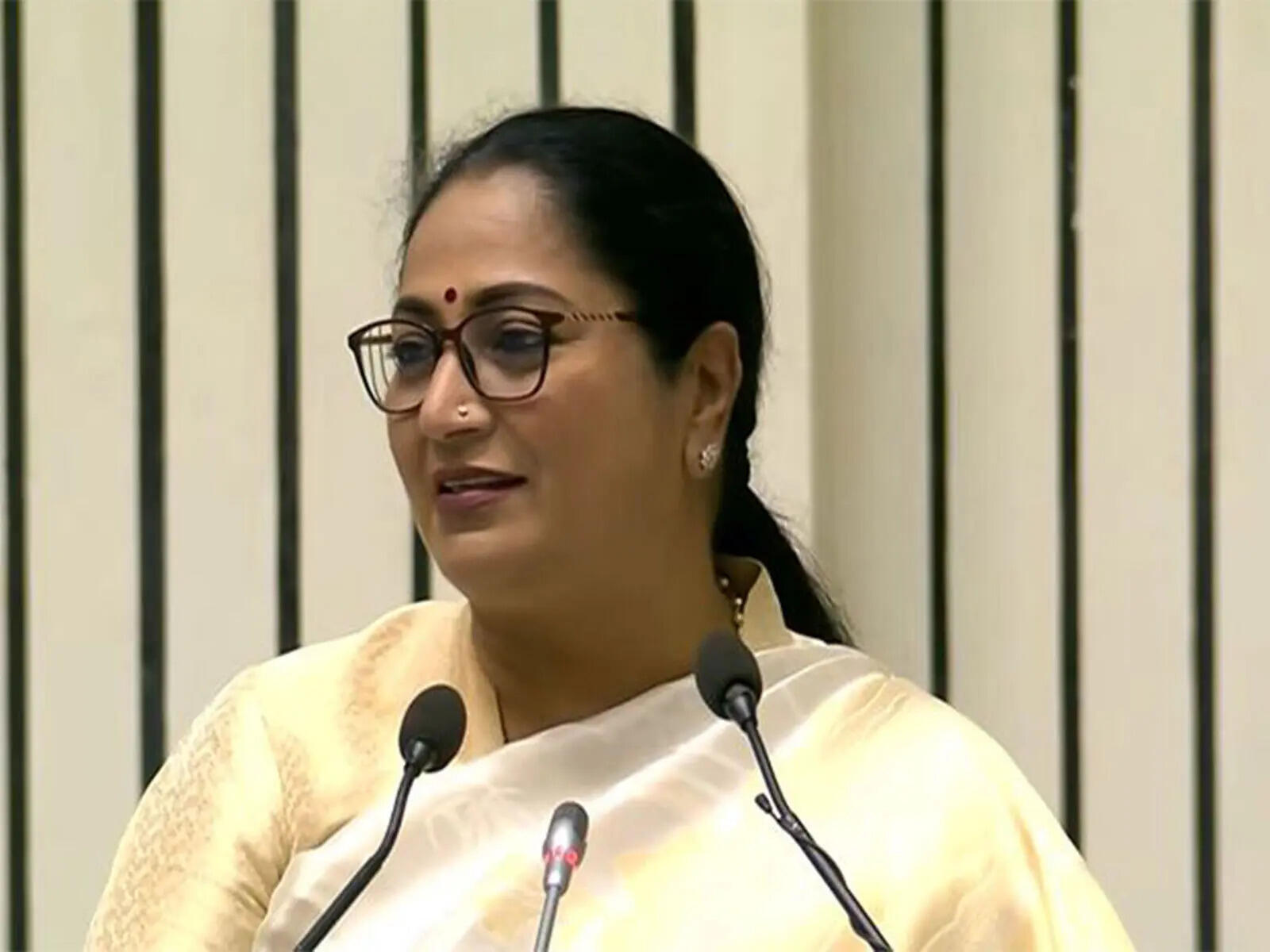
Delhi Chief Minister Rekha Gupta has shared her strong support for the Women's Reservation Bill, calling it a major turning point for the nation. She believes this law is a historic step that will give women a much stronger voice in how the country is governed. By creating more space for women in politics, the bill aims to change the future of leadership in India. CM Gupta noted that this move will help women take on more important roles in making laws and decisions that affect everyone.
Main Impact
The primary impact of this bill is the guaranteed participation of women in the highest levels of government. For a long time, women have been underrepresented in the rooms where big decisions are made. This legislation ensures that a significant portion of seats in the law-making bodies will be held by women. CM Gupta pointed out that this change will lead to more balanced discussions and better policies. It is expected to inspire millions of young women to consider politics as a way to serve the public and lead the country.
Key Details
What Happened
Chief Minister Rekha Gupta spoke about the long-term benefits of the Women's Reservation Bill during a recent public statement. She described the bill as a far-reaching plan that will improve the lives of women across all states. The CM emphasized that the bill is not just about numbers but about giving women the power to shape the nation's future. She believes that having more women in the Lok Sabha and state assemblies will bring fresh ideas and a different perspective to governance.
Important Numbers and Facts
The bill, officially known as the Nari Shakti Vandan Adhiniyam, sets aside 33 percent of seats for women. This reservation applies to the Lok Sabha, which is the lower house of India's Parliament, and all State Legislative Assemblies. The law also includes a quota within a quota for women from Scheduled Castes and Scheduled Tribes. Initially, this reservation will stay in place for 15 years. After that period, the government can decide whether to continue it. The actual implementation will begin after a new census is conducted and the boundaries of voting areas are redrawn.
Background and Context
The journey to pass this bill has been very long. The idea of reserving seats for women in Parliament was first introduced decades ago. Over the years, different governments tried to pass similar laws, but they faced many challenges and disagreements. Before this bill, women already had reserved seats in local village councils and city governments. While this helped women lead at the local level, their numbers remained low in the national and state governments. Currently, women make up a small percentage of the total members of Parliament. This bill was created to fix this gap and ensure that the people making the laws look more like the population they represent.
Public or Industry Reaction
The reaction to CM Rekha Gupta’s comments and the bill itself has been largely positive. Many women’s rights groups have celebrated the move as a hard-won victory after years of protesting and asking for change. Political experts believe this will force parties to change how they work and who they choose as candidates. However, some people have expressed concerns about the delay in starting the reservation. Because it depends on the census and the redrawing of voting districts, it may take a few more years before the first group of women takes these reserved seats. Despite these concerns, most people agree that the law is a necessary step for a modern democracy.
What This Means Going Forward
In the coming years, we will likely see a big change in the way political campaigns are run. Political parties will need to find, train, and support more women to run for office. This could lead to more focus on issues like education, family health, and community safety. As more women enter the halls of power, the style of leadership may also change to become more collaborative. The bill also sets a strong example for other parts of society, such as big businesses and boards, to think about how they can include more women in leadership positions. The next few election cycles will be very important as the country prepares for this transition.
Final Take
The Women's Reservation Bill is a bold move that promises to make Indian politics more inclusive. By supporting this initiative, leaders like CM Rekha Gupta are acknowledging that a country cannot reach its full potential if half its population is not fully involved in leadership. While there are still steps to take before the law is fully active, the foundation has been laid for a more equal and fair government. This change marks the start of a new era where women will play a central role in writing the next chapter of the nation's history.
Frequently Asked Questions
What is the Women's Reservation Bill?
It is a law that reserves one-third of the seats in the Lok Sabha and state assemblies for women to ensure they have a fair say in government.
When will the 33 percent reservation actually start?
The reservation will begin after the government completes the next census and finishes the process of redrawing the boundaries of voting districts.
How long will this reservation stay in effect?
The law states that the reservation will last for 15 years, but the Parliament has the power to extend it if they feel it is still needed.



