
Summary
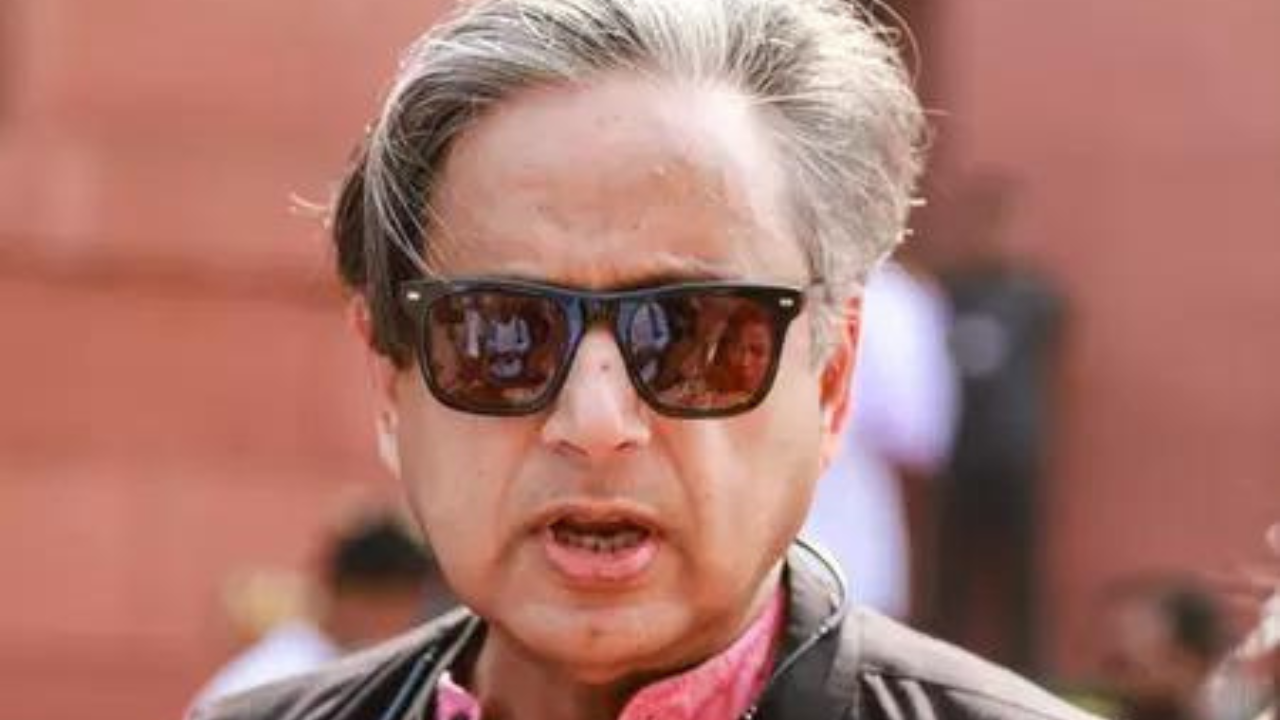
Congress leader Shashi Tharoor has voiced strong opposition to the central government's plan to link women's reservation with the process of redrawing electoral boundaries, known as delimitation. Tharoor argues that the government should implement the reservation for women in parliament immediately rather than waiting for a new census and boundary changes. He warned that tying these two issues together is a mistake and described the move as a form of "political demonetisation" that could cause long-term harm to the country's political structure.
Main Impact
The primary impact of this debate is the delay in seeing more women in India's legislative bodies. While the Women's Reservation Bill was passed with much fanfare, the actual implementation is stuck behind several administrative hurdles. By making the reservation dependent on delimitation, the government has moved the timeline for these changes several years into the future. This has led to concerns that the benefits of the bill will not be felt by the public for a long time, potentially missing the next few election cycles.
Key Details
What Happened
Shashi Tharoor, a prominent member of the Congress party, spoke out against the government's current strategy regarding the Nari Shakti Vandan Adhiniyam, or the Women's Reservation Bill. He pointed out that while almost all political parties support the idea of giving women 33% of seats in the Lok Sabha and state assemblies, the government has added conditions that slow down the process. Tharoor believes that the government is using the redrawing of voting districts as an excuse to postpone the actual change. He urged the authorities to separate the two issues so that women can get their fair share of representation without further waiting.
Important Numbers and Facts
The Women's Reservation Bill aims to set aside one-third of all seats in the Lok Sabha and state legislative assemblies for women. However, the law includes a clause stating it will only be implemented after the next census is published and the delimitation exercise is completed. The national census, which happens every ten years, was supposed to take place in 2021 but was delayed due to the pandemic. Because of this delay, experts suggest that the redrawing of boundaries might not happen until 2026 or later, meaning the reservation might not be active until the 2029 general elections.
Background and Context
To understand this issue, it is important to know what delimitation means. Delimitation is the process of changing the boundaries of territorial constituencies to make sure each seat represents a similar number of people. This is done to ensure that every person's vote has roughly the same value. However, this is a very sensitive topic in India. The population in northern states has grown much faster than in southern states. If the government redraws the maps based only on current population numbers, northern states would gain many more seats in parliament, while southern states would lose their relative influence.
Tharoor and other leaders from southern India are worried that this process will punish states that successfully managed their population growth. By calling it "political demonetisation," Tharoor is comparing the move to the 2016 decision to suddenly cancel high-value currency notes. He suggests that a rushed or forced delimitation could be just as disruptive and damaging to the political health of the nation as the currency change was to the economy.
Public or Industry Reaction
The reaction to Tharoor's comments has been split along party lines. Members of the opposition have supported his call for "reservation now," arguing that the government could use the current seat count to implement the 33% quota immediately. They claim that waiting for a census is a political tactic to avoid sharing power. On the other side, the ruling party and its supporters argue that delimitation is a constitutional necessity. They believe that implementing reservation without updating the electoral maps could lead to legal problems and unfair representation for more populated regions.
What This Means Going Forward
The path forward remains unclear and filled with political tension. If the government continues to link women's reservation with delimitation, the country will have to wait for the completion of a massive national census and a complicated boundary-redrawing process. This could take several years and involve intense debates between different states. There is also the risk of a constitutional crisis if southern states feel they are being unfairly treated. The government will need to find a way to balance the need for fair representation with the urgent demand for gender equality in politics.
Final Take
The debate over women's reservation has shifted from whether it should happen to when and how it will happen. Shashi Tharoor’s warning about "political demonetisation" serves as a reminder that major structural changes in a democracy require careful thought and broad agreement. While the goal of increasing women's participation in government is widely accepted, the method of getting there has become a new point of conflict that could shape Indian politics for the next decade.
Frequently Asked Questions
What is the Women's Reservation Bill?
It is a law that reserves 33% of the seats in the Lok Sabha and state legislative assemblies for women to ensure they have a greater voice in lawmaking.
Why is the implementation being delayed?
The law states that the reservation will only start after a new census is conducted and the boundaries of voting districts are redrawn based on that census.
What does "political demonetisation" mean in this context?
Shashi Tharoor used this phrase to describe a sudden and potentially harmful change to the political system, similar to how the 2016 currency change affected the economy.



