
Summary
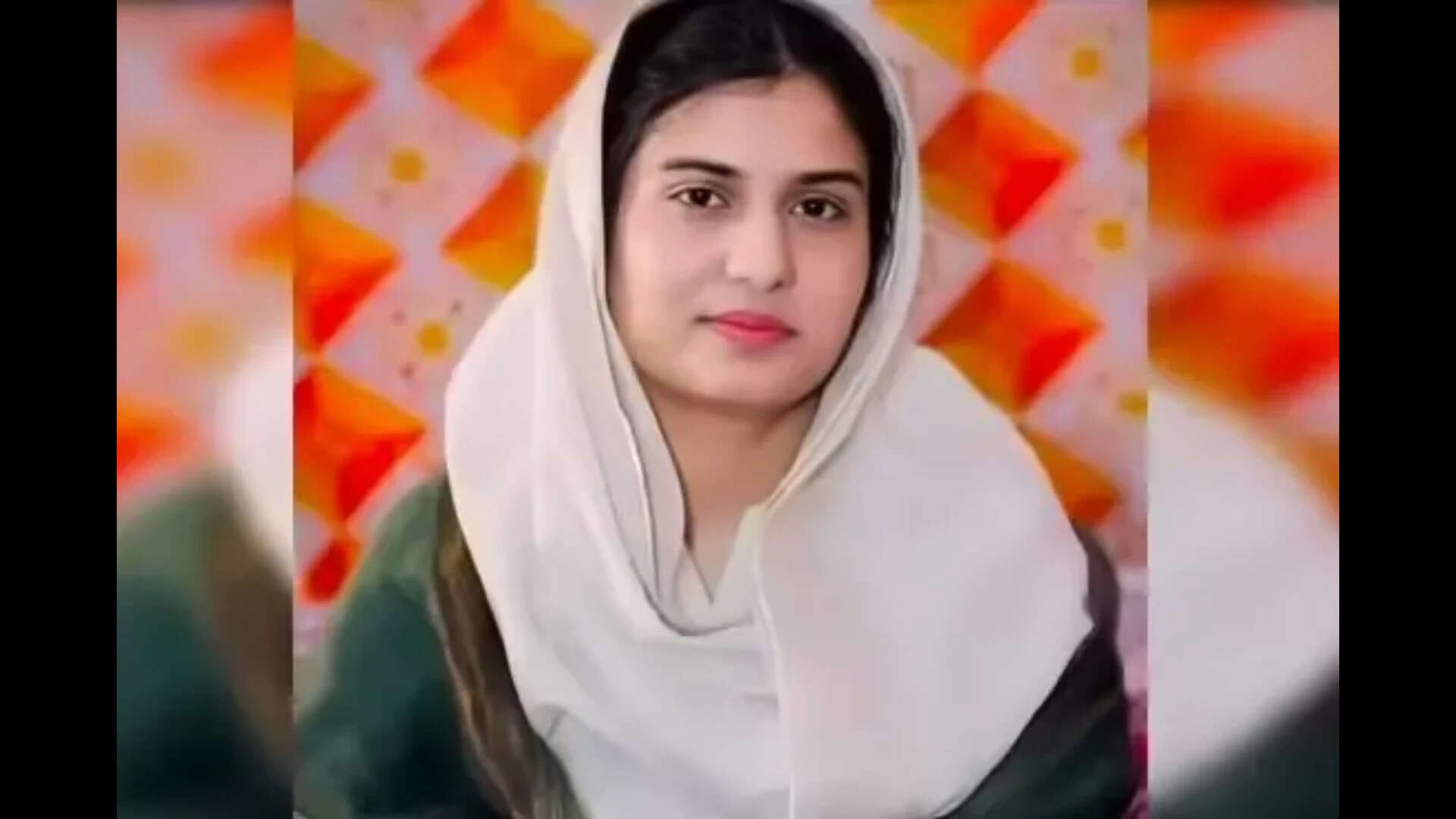
Iqra Hasan, a Member of Parliament from Kairana, has raised serious concerns about the Women’s Reservation Bill. She believes that Muslim women will be the last group to see any real benefits from this new law. As one of only two Muslim women currently serving in the Lok Sabha, her views highlight a major gap in political representation. She argues that without specific protections, the bill might not help women from minority communities as much as intended.
Main Impact
The main impact of this statement is that it brings the "quota within a quota" debate back to the center of Indian politics. While the Women’s Reservation Bill aims to give 33% of seats in Parliament and state assemblies to women, critics say it lacks diversity. If the bill mostly helps women who are already from powerful or wealthy backgrounds, then women from marginalized groups, such as Muslims and Other Backward Classes (OBCs), may continue to be left out of the decision-making process.
Key Details
What Happened
During recent discussions about political representation, MP Iqra Hasan shared her skepticism regarding the current version of the Women’s Reservation Bill. She pointed out that her concerns are based on the reality of how many Muslim women are currently in power. Along with Sajda Ahmed from the Trinamool Congress, Hasan is one of the very few voices representing this demographic in the house. She fears that the law, in its current form, will not bridge the gap for women who face both gender and religious hurdles in politics.
Important Numbers and Facts
The Women’s Reservation Bill, also known as the Nari Shakti Vandan Adhiniyam, proposes to reserve one-third of all seats in the Lok Sabha and state legislative assemblies for women. However, the current numbers show a stark reality. In a house of over 500 members, the number of Muslim women is extremely low. Hasan’s argument is that if the law does not specifically set aside seats for minority women, the 33% total will likely be filled by those from more dominant social groups.
Another important fact is the timeline of the bill. The reservation will only start after a new census is conducted and the boundaries of voting areas are redrawn. This process, called delimitation, means the law might not actually be used until the 2029 elections or even later.
Background and Context
The fight for women’s reservation in India has lasted for decades. For a long time, different political parties could not agree on how to share these seats. The main point of disagreement has always been whether there should be a separate quota for women from backward classes and minority groups. Some leaders argue that a general reservation for women will only benefit those who are already privileged. They believe that women from poor or minority backgrounds need extra help to get elected.
In 2023, the bill was finally passed by both houses of Parliament. While it was a historic moment, many opposition leaders and activists felt it was incomplete. They pointed out that the bill does not include a specific sub-quota for OBC or Muslim women. Iqra Hasan’s recent comments reflect this ongoing frustration among community leaders who feel that "equality" on paper does not always mean "equality" in real life.
Public or Industry Reaction
The reaction to Hasan’s comments has been mixed. Supporters of the current bill argue that it is a giant step forward for all women and that adding too many sub-categories would make the law too hard to implement. They believe that once women enter politics in large numbers, diversity will naturally follow over time.
On the other hand, many social activists and minority rights groups agree with Hasan. They argue that Indian politics is often driven by caste and community ties. Without a clear rule to include Muslim women, political parties might not give them tickets to contest elections. These critics worry that the bill will become a tool for the elite rather than a way to empower every woman in the country.
What This Means Going Forward
Going forward, the focus will be on how the government handles the census and the redrawing of voting districts. These are the two steps required before the reservation can begin. During this waiting period, there will likely be more pressure from various groups to amend the bill. They want to ensure that the 33% reservation is shared fairly among women of all backgrounds.
For political parties, this means they will have to look closely at their own internal rules. Even before the law starts, parties could choose to give more tickets to Muslim women and OBC women to show they are serious about inclusion. If they do not, the lack of representation that Hasan mentioned will remain a major talking point in future elections.
Final Take
The Women’s Reservation Bill is a major achievement, but it is not the end of the journey for gender equality. As Iqra Hasan pointed out, a law is only as good as its ability to reach the people who need it most. For the bill to be truly successful, it must ensure that no group is left behind. True progress in a democracy is measured by how well the most underrepresented people are heard and included in the halls of power.
Frequently Asked Questions
What is the Women’s Reservation Bill?
It is a law that sets aside 33% of seats in the Lok Sabha and state assemblies for women to increase their participation in politics.
Why is MP Iqra Hasan concerned about the bill?
She believes that without a specific sub-quota for minority groups, Muslim women will not get a fair chance to be elected and will be the last to benefit from the law.
When will the reservation actually start?
The reservation will begin only after the next census is finished and the boundaries of voting constituencies are redrawn, which could take several years.



