
Summary
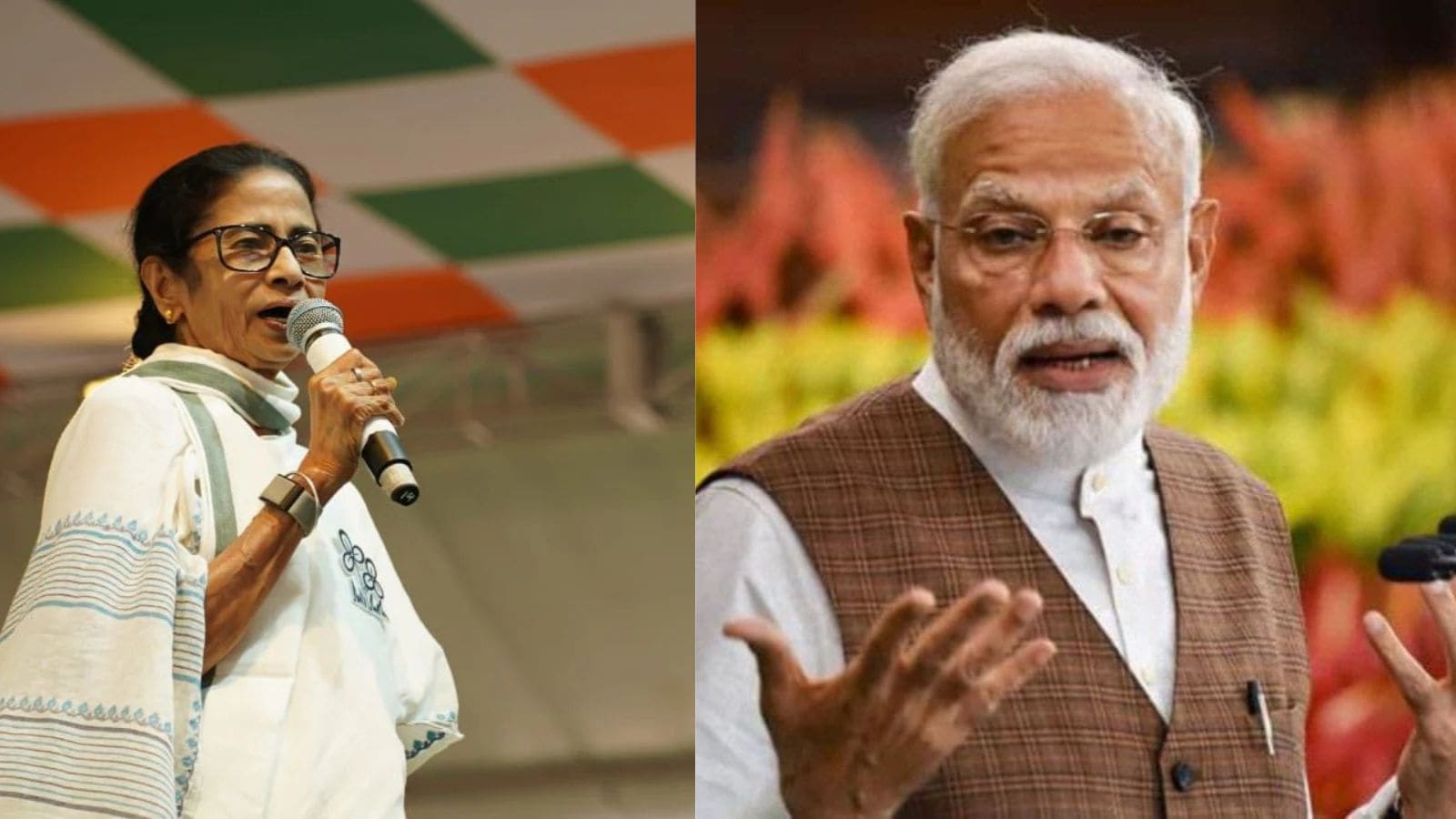
West Bengal Chief Minister Mamata Banerjee has launched a sharp verbal attack on Prime Minister Narendra Modi following his recent comments about the women’s reservation bill. The Prime Minister had used the term "female foeticide" to describe how previous governments delayed the bill for decades. Banerjee called these remarks "cowardly" and "hypocritical," arguing that the current government is the one actually delaying the law's benefits for women. This exchange has sparked a fresh political row over the timing and honesty of the new reservation policy.
Main Impact
The clash between the two leaders highlights a deep divide in Indian politics regarding women's rights and representation. While the government celebrates the passage of the Women’s Reservation Bill, the opposition claims it is an empty promise. The main impact of this dispute is a growing lack of trust between the ruling party and the opposition over when women will actually see more seats in Parliament. This debate is likely to become a central theme in upcoming elections, as both sides try to prove they are the true supporters of women's empowerment.
Key Details
What Happened
The conflict began when Prime Minister Modi accused the opposition of being "anti-women." During a public event, he suggested that past leaders had committed a form of "political foeticide" by not allowing the women's quota bill to pass for nearly thirty years. He claimed that these parties only supported the bill recently because they felt pressured by the changing political mood of the country.
Mamata Banerjee, the leader of the Trinamool Congress (TMC), did not take these comments lightly. She responded by saying that the Prime Minister’s words were insulting to the democratic process. She pointed out that her party has consistently given more than 33% of its election tickets to women candidates, even without a law requiring it. She argued that the BJP is being hypocritical because their version of the bill includes conditions that will prevent it from being used for several years.
Important Numbers and Facts
The Women’s Reservation Bill, officially known as the Nari Shakti Vandan Adhiniyam, aims to reserve 33% of seats in the Lok Sabha and state assemblies for women. However, the law states that this quota will only go into effect after two major events happen: a new national census and a process called delimitation. Delimitation is when the government redraws the boundaries of voting districts based on the new population data. Experts say these steps might not be finished until 2029 or even later. This means the 2024 elections will not feature the 33% reservation, which is a major point of anger for opposition leaders like Banerjee.
Background and Context
The idea of reserving seats for women in India’s top law-making bodies has been around since the mid-1990s. Various governments tried to pass the bill, but it often faced loud protests and was blocked by different political groups. In 2023, the bill finally passed with a huge majority in both houses of Parliament. While the passage was a historic moment, the "fine print" regarding the delay has caused a lot of tension. The opposition argues that if the government was serious, they would have implemented the quota immediately for the next election cycle.
Public or Industry Reaction
Political experts and women's rights groups have mixed feelings about this situation. Many people are happy that the law finally exists on paper, but there is widespread frustration about the long wait. On social media, supporters of the TMC have praised Banerjee for standing up to the Prime Minister’s harsh language. Meanwhile, BJP supporters argue that the Prime Minister is right to call out the parties that blocked the bill for thirty years. The use of the word "foeticide" has been particularly controversial, with some saying it is too strong a word for a political debate, while others feel it accurately describes the "killing" of the bill in the past.
What This Means Going Forward
Moving forward, the focus will remain on the timeline of the census and delimitation. If the government does not show clear progress on these tasks, the opposition will continue to call the women's quota a "political stunt." For Mamata Banerjee and the TMC, this issue allows them to present themselves as the real champions of women, especially in West Bengal where female voters are a powerful group. The Prime Minister and the BJP will likely continue to use the bill’s passage as proof of their commitment to "Nari Shakti" (women's power), regardless of the implementation delay.
Final Take
This heated exchange shows that the fight for women's representation in India is far from over. While the law has been passed, the battle over its execution and the credit for its success is just beginning. The harsh language used by both sides suggests that women's issues will be a major battleground for the foreseeable future.
Frequently Asked Questions
What is the Women’s Reservation Bill?
It is a law that sets aside one-third (33%) of the seats in the Lok Sabha and state legislative assemblies for women to increase their participation in politics.
Why is Mamata Banerjee calling the PM hypocritical?
She believes the government is being dishonest by passing a law that cannot be used immediately. She argues that the requirement for a census and delimitation is a way to delay the quota for many years.
When will the women's quota actually start?
The quota will only be applied after the next census is completed and voting district boundaries are redrawn. Most experts believe this will not happen until the 2029 general elections.



