
Summary
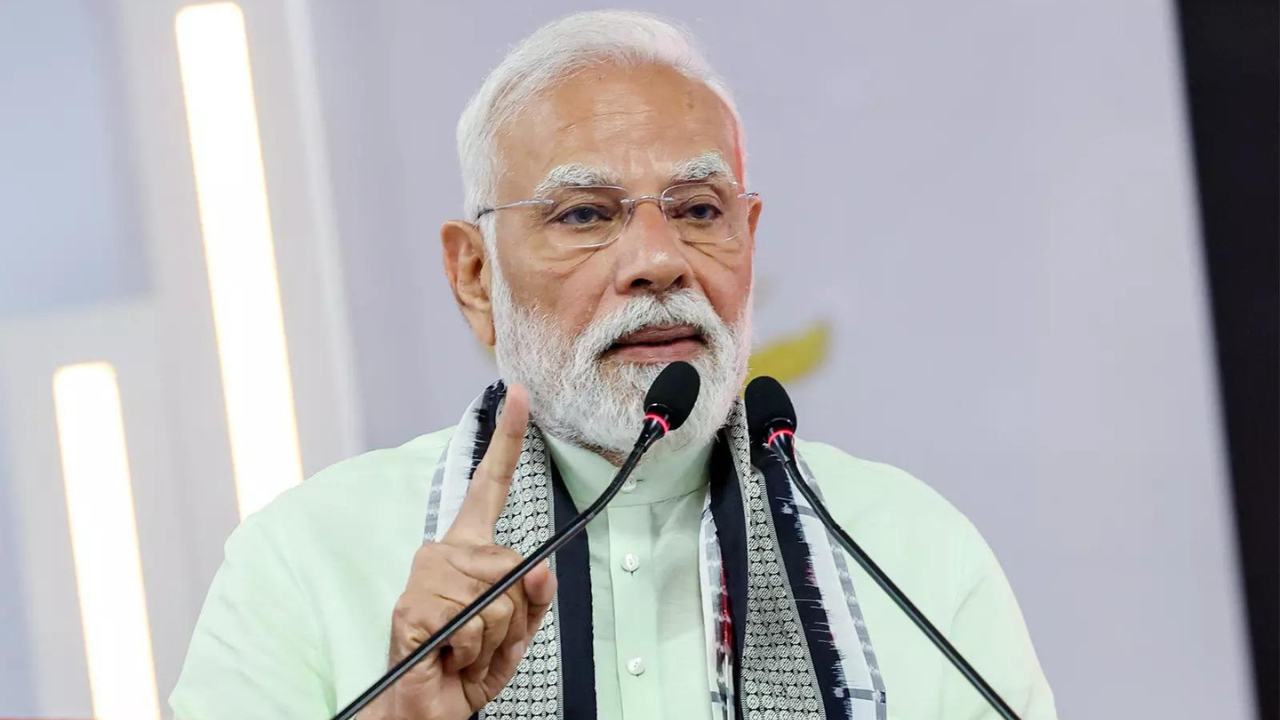
Prime Minister Narendra Modi has announced that the Indian Parliament is on the edge of making history. The government is moving forward with a major plan to reserve seats for women in the country's top law-making bodies. This move aims to give women a much stronger voice in how the nation is run. By setting aside specific seats for female representatives, the government hopes to ensure that women’s issues and perspectives are at the heart of future laws.
Main Impact
The primary impact of this development is a massive shift in the makeup of India’s political system. For a long time, women have been under-represented in the Lok Sabha and state assemblies. This new law, known as the Nari Shakti Vandan Adhiniyam, seeks to change that by reserving one-third of all seats for women. This change is expected to bring fresh ideas to the government and make the political process more inclusive for half of the population.
Key Details
What Happened
During a special session of Parliament, Prime Minister Modi spoke about the importance of empowering women. He stated that the time has come for women to take their rightful place in the halls of power. The bill was introduced in the new Parliament building, which added to the symbolic importance of the event. The Prime Minister called on all political parties to support the bill with a full heart, asking for a show of unity to pass this long-awaited law.
Important Numbers and Facts
The bill proposes a 33 percent reservation for women in the Lok Sabha, which is the lower house of Parliament. It also applies to the legislative assemblies in every state across India. Currently, the number of women in these positions is much lower than 33 percent. If passed and implemented, the number of female members in the Lok Sabha would rise to 181. This reservation is planned to last for 15 years, though it can be extended by Parliament later if needed.
Background and Context
The idea of reserving seats for women in India is not new. It has been a topic of debate for nearly 30 years. The first version of this bill was introduced back in 1996, but it faced many hurdles. Over the years, different governments tried to pass similar laws in 1998, 1999, and 2008. However, these attempts failed because of a lack of agreement among political parties. Many leaders argued about how the seats should be divided or whether there should be special categories within the reservation. This long delay makes the current progress a major milestone for the country.
Public or Industry Reaction
The reaction to this move has been largely positive across the country. Many women's rights groups have welcomed the news, calling it a victory after decades of waiting. They believe that having more women in power will lead to better policies regarding health, education, and safety. While most political parties have expressed support for the general idea, some have asked for more details. A few leaders have suggested that the reservation should also include specific quotas for women from backward classes to ensure that all groups are represented fairly.
What This Means Going Forward
While the bill is a huge step, the changes will not happen immediately. There are technical steps that must be completed first. The government has explained that the reservation will come into effect after a new census is conducted and the boundaries of voting areas are redrawn. This process, called delimitation, ensures that the seats are distributed correctly based on the latest population numbers. This means it might take a few more years before the first group of women takes their seats under this new quota. However, the legal foundation is being laid now, making the path clear for future elections.
Final Take
This move marks a turning point for Indian democracy. By bringing more women into the decision-making process, the country is moving toward a more balanced and fair system of government. It shows a commitment to gender equality that goes beyond words and into actual law. As the bill moves through the final stages of approval, it signals to the world that India is ready to let its women lead the way into the future.
Frequently Asked Questions
What is the Women's Reservation Bill?
It is a law that sets aside 33 percent of the seats in the Lok Sabha and state assemblies specifically for women candidates.
When will the reservation start?
The reservation will begin after the government completes a new population count (census) and redraws the boundaries of voting districts.
How long will this reservation last?
The law states that the reservation will stay in place for 15 years, but the government has the power to extend it if they choose to do so in the future.



