
Summary
The Lok Sabha recently witnessed a major political event as the Women's Reservation Bill failed to pass a crucial vote. Despite efforts by the ruling National Democratic Alliance (NDA), the proposal did not get the two-thirds majority required for a constitutional amendment. This failure means that the long-standing plan to reserve seats for women in India's Parliament is once again on hold. The result has sparked a heated debate between the government and opposition parties about the future of gender representation in Indian politics.
Main Impact
The immediate impact of this failed vote is the delay of a historic change in how India is governed. The bill was designed to ensure that more women have a direct role in making laws for the country. Because the bill did not pass, the current system will remain the same for the foreseeable future. This outcome highlights the difficulty of passing major laws when political parties cannot agree on the specific details, even if they claim to support the general idea of the law.
Key Details
What Happened
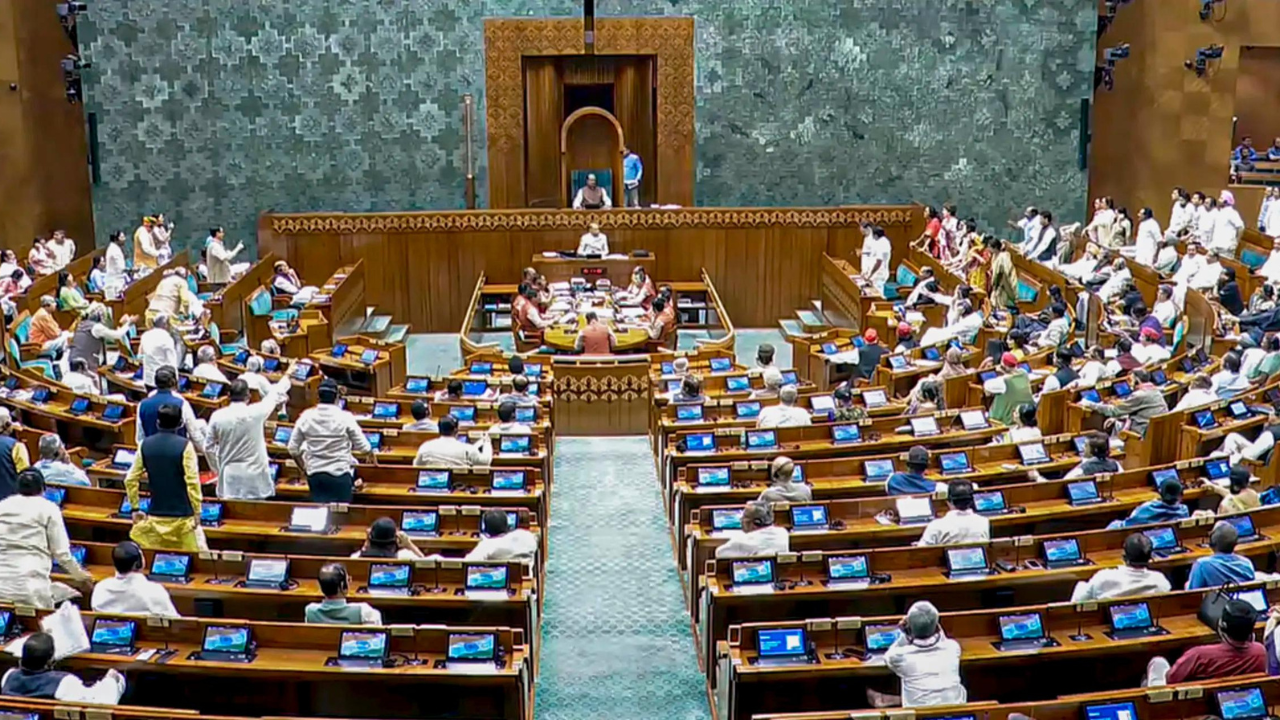
The vote took place in the Lok Sabha after a long and often angry debate. For a bill that changes the Constitution to pass, it needs a "special majority." This means that at least two-thirds of the members present and voting must say "yes." When the final count was announced, the NDA government found that they did not have enough support to reach that number. While many members voted for it, the opposition was strong enough to block the bill from moving forward.
Important Numbers and Facts
The Women's Reservation Bill proposed to set aside 33% of the seats in the Lok Sabha and state legislative assemblies for women. This would have significantly increased the number of female lawmakers from the current levels, which are much lower. The vote failed because the ruling coalition could not bridge the gap with opposition parties who had different demands. The date of this vote, April 17, 2026, will likely be remembered as a day of missed opportunity for those who have campaigned for this change for decades.
Background and Context
The struggle to pass a women's reservation law in India is not new. It has been a topic of discussion for over thirty years. Various governments have tried to pass similar bills in the past, but they always faced obstacles. The main goal is to fix the gender imbalance in politics. Currently, women make up a small percentage of Parliament, even though they are half of the population. Supporters argue that without a legal quota, women will continue to face barriers when trying to enter politics. However, some groups worry about how these seats would be chosen and whether the law would help all women or only those from wealthy families.
Public or Industry Reaction
The reaction inside and outside Parliament was very strong. Government leaders were quick to criticize the opposition, calling them "anti-women" for not supporting the bill. They argued that the opposition was blocking progress for half of the country's citizens. On the other hand, opposition leaders defended their choice. Some went as far as calling the bill "anti-national" in its current form. They argued that the bill did not include specific protections or quotas for women from backward classes and minority groups. They felt that without these additions, the bill would not be fair to everyone. This disagreement led to a very tense atmosphere in the house.
What This Means Going Forward
Now that the bill has failed the floor test, the government has a few choices. They can try to rewrite the bill to include some of the opposition's demands and bring it back for another vote later. Or, they might wait until after the next election, hoping to gain a larger majority that would allow them to pass the bill without needing as much help from other parties. For the public, this means that the push for gender equality in the government will continue to be a major political issue. It will likely be a key topic that voters think about during the next election cycle.
Final Take
The failure of the Women's Reservation Bill is a reminder of how complex Indian politics can be. While the idea of giving women more power in government is popular, the path to making it a law is filled with challenges. This event shows that even with a strong ruling coalition, major changes to the Constitution require a level of agreement that is currently hard to find in Parliament. The wait for a more balanced and representative government continues.
Frequently Asked Questions
Why did the Women's Reservation Bill fail to pass?
The bill failed because it did not get the two-thirds majority vote required for a constitutional amendment. The ruling party did not have enough support from the opposition to reach the necessary number of votes.
What exactly did the bill propose to change?
The bill proposed to reserve 33% of the seats in the Lok Sabha and state assemblies for women. This was intended to increase the number of female representatives in the government.
Will the bill be brought back for another vote?
It is possible that the government will reintroduce the bill in the future. However, they may need to change some parts of it or wait until they have more support in Parliament before trying again.



