
Summary
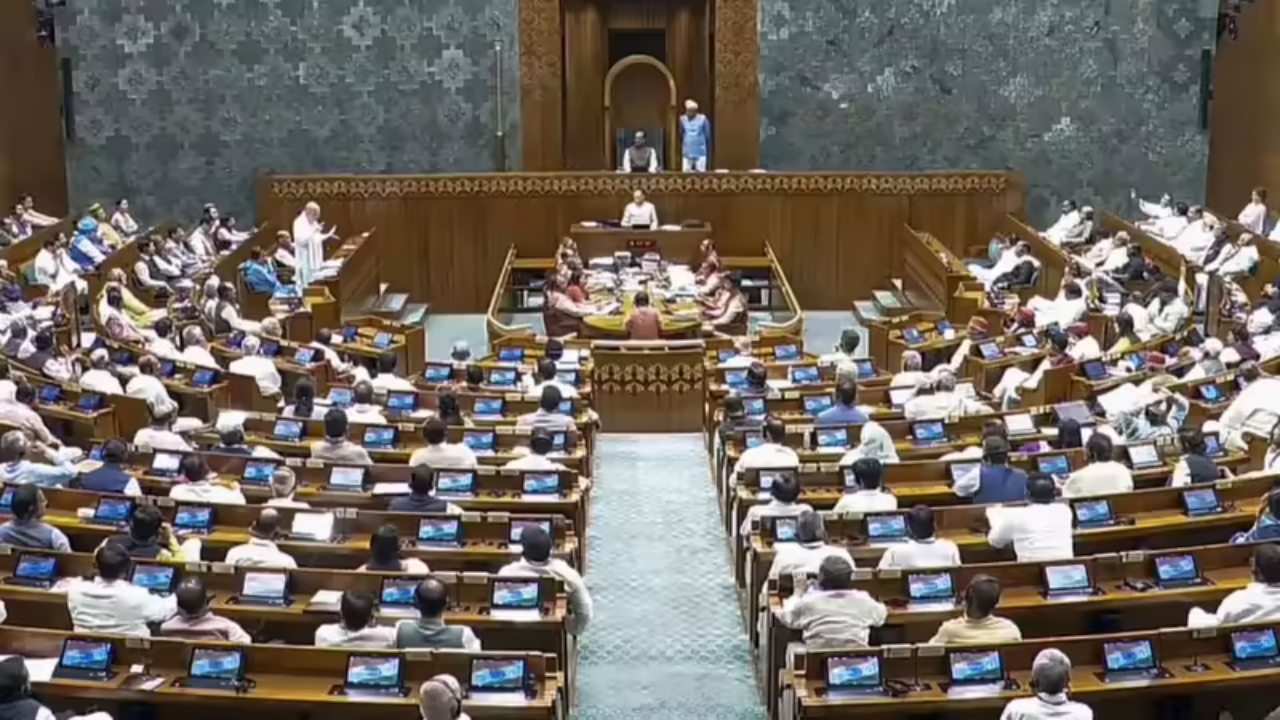
The Indian Parliament has ended its special Budget session without passing a major law intended to help women in politics. The session was closed indefinitely, a move known as adjourning sine die, after the Women’s Reservation Bill failed to get enough votes in the Lok Sabha. Along with this, the government decided to put a hold on a controversial plan to redraw voting districts across the country. These events have left many important political questions unanswered as the session came to a tense finish.
Main Impact
The biggest impact of this session's end is the delay of the Women’s Reservation Bill. This law was designed to set aside a specific number of seats for women in the legislature. Because it did not pass, the push for more gender balance in the government has hit a major roadblock. Furthermore, the decision to delay the redrawing of voting districts, or delimitation, shows that the government is facing strong pressure from other political parties. This delay means that the current way seats are shared between states will stay the same for now, avoiding a potential fight between different regions of the country.
Key Details
What Happened
The special session was expected to be a time for passing big changes. However, when it came time to vote on the Women’s Reservation Bill, the Lok Sabha did not have the numbers needed. To change the rules of the country, a "special majority" is required. This means two-thirds of the members present must agree. The bill did not reach this high bar. At the same time, the government was pushing a plan for delimitation. This plan would change how many representatives each area gets based on population. Many leaders from different states argued against this, fearing their regions would lose influence. To avoid more conflict, the government chose to defer, or postpone, the proposal.
Important Numbers and Facts
The Women’s Reservation Bill aimed to reserve 33 percent of seats in the Lok Sabha and state assemblies for women. To pass such a bill, the government needed a two-thirds majority of the members who were present and voting. The session ended on April 18, 2026, with both the Lok Sabha and the Rajya Sabha being adjourned sine die. This term means the houses are closed without a specific date set for when they will meet again. The failure to pass the bill is seen as a significant moment, as it was one of the primary reasons this special session was called in the first place.
Background and Context
The idea of reserving seats for women in India’s Parliament has been discussed for many years. Supporters say it is the only way to make sure women have a fair voice in making laws. Currently, the number of women in Parliament is much lower than their share of the population. On the other side, the topic of delimitation is very sensitive. India has not redrawn its voting districts in a long time. Some states, especially in the south, have worked hard to control population growth. They worry that if districts are redrawn based on new population numbers, states in the north with higher populations will get more seats, making the southern states less powerful in national decisions.
Public or Industry Reaction
The reaction to the session's end has been split. Members of the opposition parties are calling the delay of the delimitation proposal a victory. They believe the government was trying to rush a plan that would be unfair to many states. However, many activists and women’s groups are deeply disappointed. They feel that the failure of the reservation bill is a missed chance to create real change. Political experts have noted that the atmosphere in Parliament was very heated, with many arguments breaking out between the ruling party and the opposition. This tension made it difficult for any major agreements to be reached before the session was closed.
What This Means Going Forward
Looking ahead, the government will have to find a new way to gain support if they want to pass these bills in the future. The failure of the Women’s Reservation Bill might become a big topic in the next elections. Voters will likely ask why the law could not be passed despite the special session. Regarding the redrawing of districts, the government will need to talk more with state leaders to find a plan that everyone thinks is fair. Until these issues are resolved, the political environment in India is likely to remain very competitive and filled with debate. The next time Parliament meets, these same problems will likely be at the top of the list for discussion.
Final Take
The conclusion of this session shows how difficult it is to make big changes to a country's political system. While the government had high hopes for new laws, the lack of agreement between parties stopped progress. The delay of these major plans means that the status quo will remain for now, but the pressure to change will only grow stronger as the next election cycle approaches.
Frequently Asked Questions
What does "adjourned sine die" mean?
It is a Latin phrase used in government. It means that the meeting or session has ended without setting a specific date to meet again in the future.
Why did the Women’s Reservation Bill fail?
The bill failed because it did not get a two-thirds majority vote in the Lok Sabha. This special majority is required for any law that changes the Constitution of India.
What is delimitation and why is it controversial?
Delimitation is the process of redrawing the boundaries of voting districts based on population changes. It is controversial because some states fear they will lose seats and political power if their population has grown more slowly than other states.



