
Summary
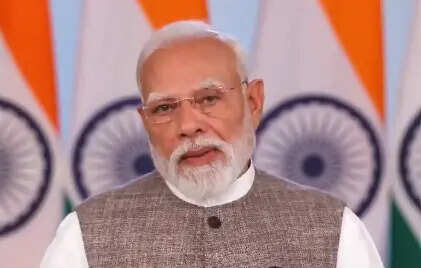
Prime Minister Narendra Modi has stated that the movement to give women more power in India was slowed down for years by the selfish goals of opposition parties. He explained that these political groups put their own interests ahead of the needs of the nation’s women. This delay has made it harder for women to take their rightful place in the country's government and decision-making processes.
Main Impact
The biggest impact of this political struggle was the long delay in passing the Women’s Reservation Bill. This law is designed to give women a guaranteed number of seats in the places where the country’s laws are made. Because the bill was blocked for so many years, women have had to wait a long time to have a fair voice in Parliament. The Prime Minister believes that this delay hurt the progress of the entire country, as the views and talents of women were not fully used in the government.
Key Details
What Happened
In a recent address, Prime Minister Modi spoke about the history of the fight for women's rights in Indian politics. He pointed out that while his government was finally able to pass the law, previous attempts were stopped by other parties. He specifically mentioned that groups like the Congress, the Samajwadi Party, the DMK, and the Trinamool Congress did not show the necessary support when the bill was introduced in the past. He argued that these parties often talk about helping women but acted differently when it was time to vote on the law.
Important Numbers and Facts
The new law is officially called the Nari Shakti Vandan Adhiniyam. It sets aside 33 percent of the seats in the Lok Sabha and state legislative assemblies for women. This means that one out of every three lawmakers in these houses must be a woman. The idea for this reservation was first brought to Parliament in 1996. However, it took nearly 27 years of debate and disagreement before it was finally passed in September 2023. The law received almost total support when it was finally put to a vote, showing how much the political climate has changed over the years.
Background and Context
For a long time, women in India have been underrepresented in high-level politics. Even though women make up about half of the population, their numbers in the Lok Sabha have stayed very low for decades. Many experts believe that having more women in government leads to better laws regarding family health, education, and community safety. The Women’s Reservation Bill was created to fix this balance. However, in the past, whenever the bill was brought up, it often led to loud protests and even physical fights inside the Parliament. Some parties demanded that the bill include special quotas for different social groups, which led to further delays and confusion.
Public or Industry Reaction
The reaction to the Prime Minister’s comments has been strong. Supporters of the government say that the Prime Minister is right to call out the parties that blocked the bill for so long. They believe that the current government has shown the courage to do what others could not. On the other side, opposition leaders argue that they always wanted the bill to pass but wanted it to be more inclusive. They claim they were fighting for the rights of women from all backgrounds, including those from backward classes. This disagreement shows that while the law has passed, the political debate over how to best help women is still very much alive.
What This Means Going Forward
Even though the law is now official, it will not change the government overnight. The 33 percent reservation will only start after the government completes two major tasks. First, a new census must be taken to count the population. Second, the boundaries of the voting areas, known as constituencies, must be redrawn based on the new census data. This process is expected to take several years. This means the first election with the new reservation might not happen until the late 2020s. Once it begins, it will significantly change how political parties choose their candidates and how laws are debated in India.
Final Take
The journey of the Women’s Reservation Bill shows that making big social changes is often a slow and difficult process. While political parties may continue to argue over who deserves the credit, the real victory belongs to the women of India. The focus must now stay on making sure that when women finally take their seats in Parliament, they have the support they need to lead effectively. True empowerment will happen when politics is no longer a barrier to progress.
Frequently Asked Questions
What is the Nari Shakti Vandan Adhiniyam?
It is the official name of the law that reserves 33 percent of seats for women in the Lok Sabha and state assemblies in India.
Why did it take so long for the bill to pass?
The bill was delayed for nearly 30 years because different political parties could not agree on the details, with some demanding specific quotas for different social groups.
When will women start getting these reserved seats?
The reservation will go into effect after the next census is completed and the voting boundaries are redrawn, which will likely take a few more years.



