
Summary
West Bengal Chief Minister Mamata Banerjee has strongly criticized Prime Minister Narendra Modi over the Women’s Reservation Bill. She accused the Prime Minister of being dishonest and misleading the public about the law. Banerjee defended her party, the Trinamool Congress (TMC), saying they have always worked to give women more power in politics. She argued that the central government is using the bill as a political tool rather than a real way to help women right now.
Main Impact
This public disagreement highlights a major divide in Indian politics regarding how to increase women's representation. While the bill has been passed, the argument is now about when it will actually be used. The clash between the state government of West Bengal and the central government shows that the timing of the law is just as important as the law itself. This debate could influence how millions of female voters view both the TMC and the BJP in future elections.
Key Details
What Happened
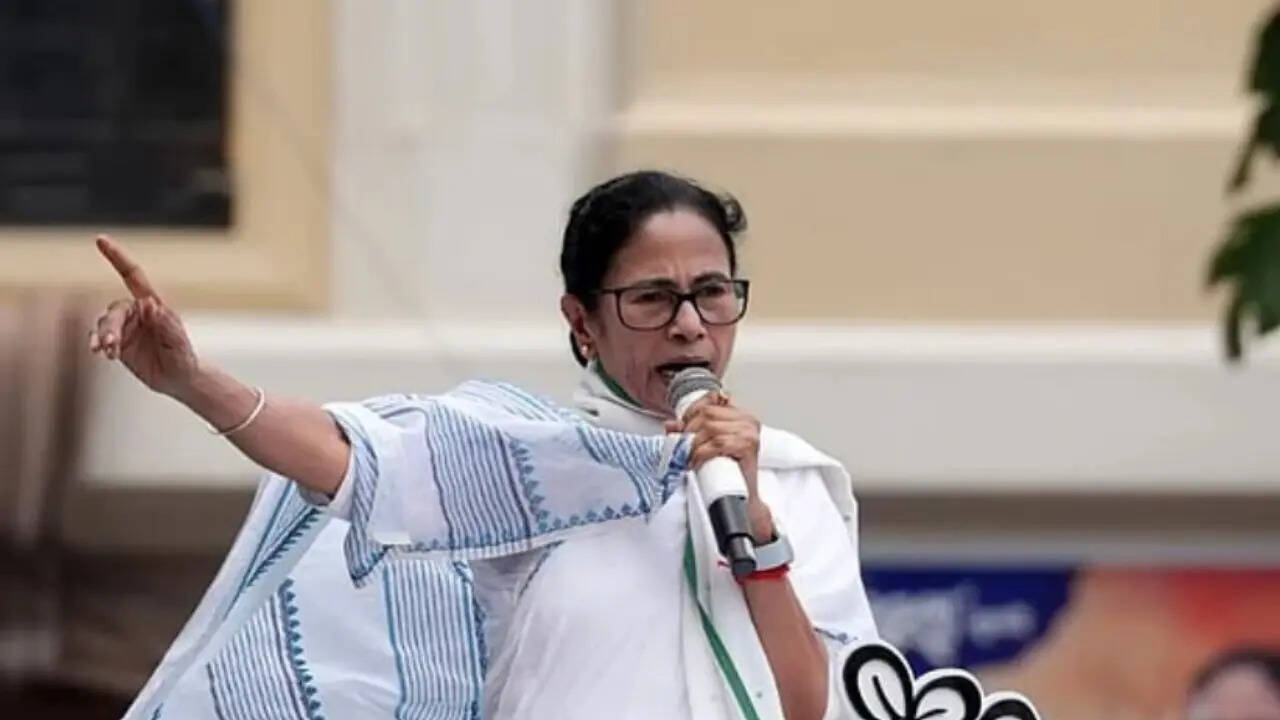
Mamata Banerjee used very strong language to respond to comments made by PM Modi. She called his claims "cowardly" and "hypocritical." The Prime Minister had previously criticized opposition parties for not doing enough for women. Banerjee hit back by saying that her party has a better track record of putting women in office than the BJP does. She specifically pointed out that the new law includes rules that will delay its start for several years.
Important Numbers and Facts
The Women’s Reservation Bill, officially called the Nari Shakti Vandan Adhiniyam, aims to set aside 33 percent of seats in the Lok Sabha and state assemblies for women. However, the law states that this can only happen after two things occur: a new national census and a process called delimitation. A census is a count of every person in the country, and delimitation is the redrawing of voting area boundaries. Because these tasks take a long time, experts say the reservation might not actually happen until 2029 or later.
Background and Context
The idea of reserving seats for women in India’s parliament has been discussed for nearly thirty years. Many different governments tried to pass similar bills in the past but failed. The current government finally passed the bill with a large majority. However, the opposition is angry because the law is not being put into action immediately. Mamata Banerjee and her party argue that if the government truly wanted to help women, they would have implemented the changes for the current or next election cycle without waiting for a census.
The Trinamool Congress often highlights that they have one of the highest percentages of female Members of Parliament (MPs) in India. They use this to show that they do not need a law to tell them to give women opportunities. Banerjee believes that linking the bill to the redrawing of voting maps is a "ploy" to delay the process while still taking credit for the idea.
Public or Industry Reaction
The reaction to this political fight has been split. Supporters of the central government say that passing the bill was a historic achievement that no other leader could finish. They believe the rules about the census and redrawing maps are necessary to make the process fair. On the other hand, critics and opposition leaders agree with Banerjee. they feel the government is making promises today that it does not have to keep for many years. Women's rights groups have expressed mixed feelings; they are happy the law exists but frustrated that they must continue to wait for real change.
What This Means Going Forward
The debate over the Women’s Reservation Bill will likely remain a major talking point for years. Since the law is tied to the census, the government will be under pressure to complete the population count as soon as possible. If the process moves slowly, opposition parties will continue to use the delay to claim the government is not serious about women's rights. In the meantime, parties like the TMC may try to nominate even more women candidates on their own to prove their commitment and challenge the BJP's narrative.
Final Take
The fight between Mamata Banerjee and PM Modi shows that the Women’s Reservation Bill is about more than just policy; it is a battle for the trust of female voters. While the law is a step forward, the long wait for its implementation has turned a moment of progress into a source of political conflict. The real test will be how quickly the government moves to turn these legal promises into actual seats for women in parliament.
Frequently Asked Questions
What is the Women’s Reservation Bill?
It is a law that reserves one-third of the seats in India's national parliament and state assemblies for women to ensure they have a bigger voice in making laws.
Why is Mamata Banerjee angry about the bill?
She believes the government is delaying the law by linking it to a census and the redrawing of voting boundaries, which could take many years to finish.
When will the reservation actually start?
The reservation will only begin after the next census is completed and the voting maps are redrawn. Most experts believe this will not happen until at least 2029.



