
Summary
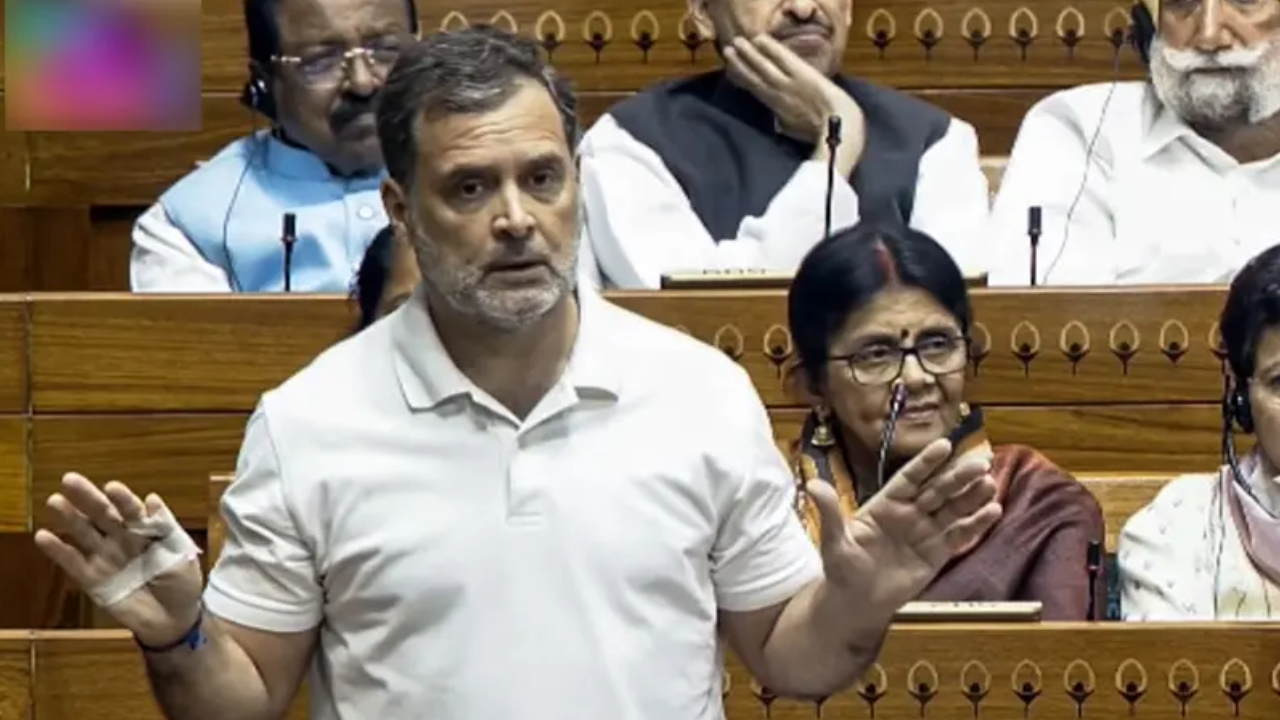
Rahul Gandhi, a prominent leader of the Indian National Congress, recently raised sharp questions about the government's plan for women's reservation in Parliament. During a legislative debate, he pointed out that while the government claims to support women, the actual implementation of the law is tied to several complicated conditions. He specifically noted that the bill would only take effect after a new census and a boundary-redrawing process known as delimitation. Gandhi used the "number 16" as a way to mock the government's complex rules, suggesting that these conditions are designed to delay the law for many years.
Main Impact
The primary impact of this debate is the growing uncertainty over when women will actually see reserved seats in the Lok Sabha and state assemblies. By linking the Women’s Reservation Bill to the census and delimitation, the government has created a timeline that could stretch into the next decade. Critics argue that this makes the bill a future promise rather than a current solution. This delay affects millions of women who were hoping for immediate political representation. It also creates a political divide between the government, which calls the bill a historic step, and the opposition, which calls it a strategic delay.
Key Details
What Happened
The discussion took place during a special session of Parliament where the Nari Shakti Vandan Adhiniyam, or the Women’s Reservation Bill, was being debated. Rahul Gandhi stood up to address the house and focused on the fine print of the document. He argued that the bill is not as simple as it looks. He pointed out that the reservation cannot happen until two major events occur: first, a national census must be completed, and second, the boundaries of voting districts must be redrawn based on that census. He suggested that the government is using these technical steps to avoid giving women their rights immediately.
Important Numbers and Facts
The bill proposes to reserve 33 percent of seats in the Lok Sabha and state legislative assemblies for women. However, the last census in India was supposed to happen in 2021 but was delayed. Without a new census, the delimitation process cannot start. Experts suggest that these two steps could take until 2029 or even later to complete. Rahul Gandhi’s mention of the "number 16" referred to specific clauses in the bill that outline these requirements. He used this observation to claim that the government is more interested in creating complex legal structures than in helping women enter politics right now.
Background and Context
The idea of reserving seats for women in India’s Parliament has been around for nearly thirty years. Previous governments tried to pass similar bills, but they often failed due to a lack of agreement among political parties. The current government finally passed the bill, but with the added conditions of the census and delimitation. Delimitation is a sensitive topic in India because it involves changing the number of seats each state has in Parliament based on its population. States in the south, which have controlled their population growth better than states in the north, fear they might lose political power if seats are redistributed. This makes the entire process very controversial and slow.
Public or Industry Reaction
The reaction to Rahul Gandhi’s comments has been split along party lines. Supporters of the Congress party and other opposition groups praised him for exposing what they call a "trap" in the bill. They believe the government is trying to take credit for a law that won't actually work for a long time. On the other side, members of the ruling party defended the bill. They argued that following the census and delimitation is a legal requirement to ensure the process is fair and follows the Constitution. Women's rights activists have expressed mixed feelings; they are happy the bill passed but frustrated that they might have to wait another five to ten years to see the results.
What This Means Going Forward
Looking ahead, the focus will shift to when the government will finally conduct the delayed census. Until the census is finished, the Women’s Reservation Bill remains a law on paper only. There will likely be more legal and political battles over how the boundaries are redrawn. If the government fast-tracks the census, the reservation could happen sooner. However, if the process remains slow, it will likely become a major issue in future elections. The opposition will continue to use the delay to claim the government is not serious about women's empowerment, while the government will point to the bill as proof of its long-term vision.
Final Take
The debate over the Women’s Reservation Bill shows how technical rules can change the meaning of a law. While the goal of getting more women into politics is widely supported, the path to getting there is blocked by administrative hurdles. Rahul Gandhi’s critique highlights a significant gap between passing a law and making it work. For the millions of women waiting for a seat at the table, the real test will not be the speeches made in Parliament, but how quickly the government moves to complete the census and redraw the maps.
Frequently Asked Questions
What is delimitation?
Delimitation is the process of redrawing the boundaries of parliamentary and assembly seats to make sure each seat represents a similar number of people. It is based on the latest census data.
Why is the Women’s Reservation Bill delayed?
The bill is delayed because it can only be implemented after a new census is conducted and the delimitation process is finished. Both of these tasks take a long time to complete.
What did Rahul Gandhi mean by the "number 16"?
He was referring to specific sections or clauses in the bill that link the start of the reservation to the census and delimitation. He used the phrase to point out how the government has tied the law up in complicated rules.



