
Summary
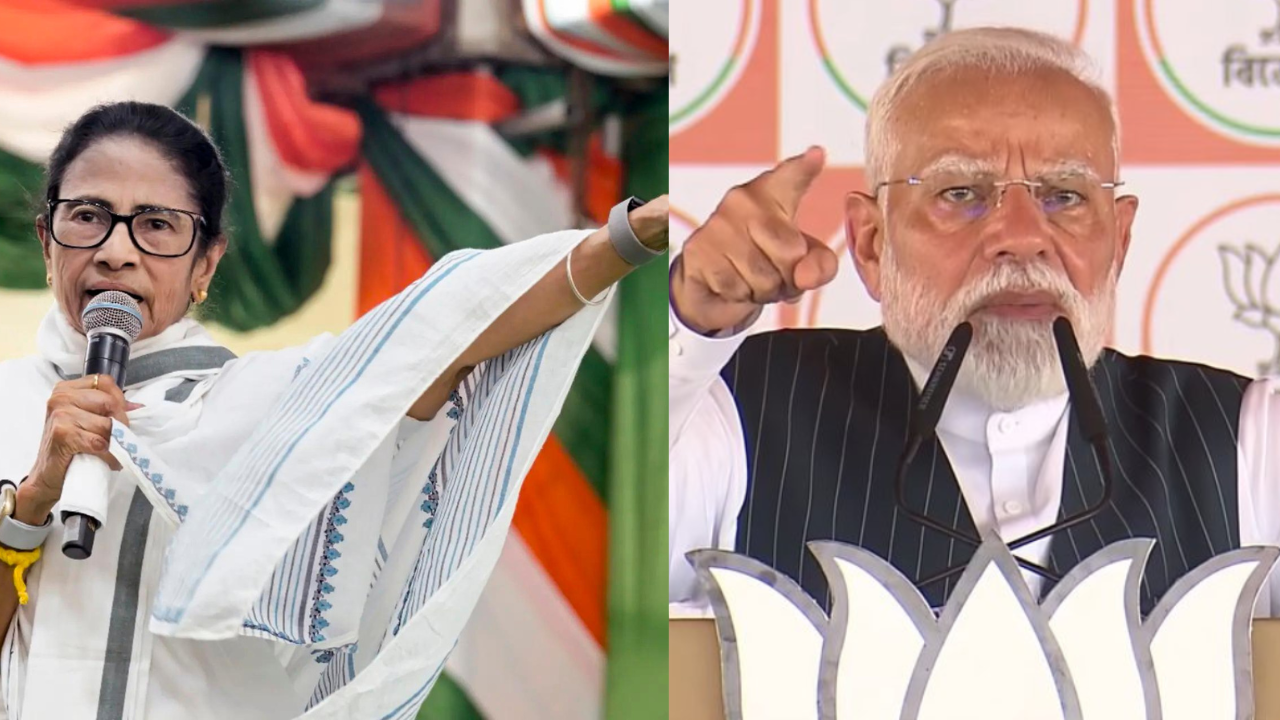
West Bengal Chief Minister Mamata Banerjee has launched a sharp verbal attack on Prime Minister Narendra Modi regarding the Women’s Reservation Bill. She accused the Prime Minister of misleading the public and called the government's approach both cowardly and hypocritical. Banerjee argues that the central government is using the bill as a political tool rather than a sincere effort to help women. She specifically questioned why the law cannot be put into action immediately instead of being delayed for several years.
Main Impact
This public disagreement highlights a major rift in Indian politics over how and when women should get more power in government. While the bill was passed with much fanfare, the delay in its implementation has turned it into a point of conflict. This debate affects millions of female voters who are looking for better representation in the country's law-making bodies. The clash between the Chief Minister and the Prime Minister also sets a tense tone for upcoming elections, as both sides try to prove they are the true supporters of women's rights.
Key Details
What Happened
The conflict began after Prime Minister Modi made comments defending the government's work on the Women’s Reservation Bill. Mamata Banerjee quickly rejected these claims, stating that the Prime Minister was not telling the whole truth to the nation. She pointed out that the bill includes conditions that prevent it from being used right away. Banerjee believes the government is hiding behind legal processes to avoid giving women their fair share of seats in the current election cycle.
Important Numbers and Facts
The Women’s Reservation Bill, also known as the Nari Shakti Vandan Adhiniyam, aims to set aside 33 percent of seats in the Lok Sabha and state assemblies for women. However, the law states that this reservation will only happen after a new census is conducted and the process of delimitation is finished. Delimitation is the task of redrawing the boundaries of voting districts based on population changes. Because these steps take a long time, experts suggest the reservation might not actually start until 2029 or even later. Banerjee noted that her party, the Trinamool Congress (TMC), has already nominated many women for office without needing a law to force them to do so.
Background and Context
The idea of reserving seats for women in India's parliament has been around for nearly thirty years. Many different governments tried to pass it in the past but failed due to a lack of support from various political parties. In 2023, the bill was finally passed by both houses of Parliament with almost no opposition. However, the joy was short-lived for some because of the "hidden" delays. Critics say that by linking the bill to the census and boundary changes, the government has pushed the actual benefits far into the future. Mamata Banerjee has often used her position to promote women in her own state, and she views the central government's delay as a sign of bad faith.
Public or Industry Reaction
The reaction to Banerjee’s comments has been split along party lines. Supporters of the ruling party argue that the census and delimitation are legal requirements that ensure the seats are divided fairly across the country. They claim that rushing the process could lead to legal problems later. On the other hand, opposition leaders and many women's rights groups agree with Banerjee. They argue that if the government truly wanted to help women, they could have implemented the quota using the current population data. They see the move as a way to win votes today for a promise that will only be kept many years from now.
What This Means Going Forward
In the coming months, the Women’s Reservation Bill will likely remain a hot topic during political rallies. The opposition will continue to use the delay as a way to attack the government's record on gender equality. Meanwhile, the central government will likely focus on the fact that they were the ones who finally passed the bill after decades of waiting. The real test will be whether voters believe the government's timeline or if they feel the delay is a political trick. For women hoping to enter politics, the wait for a guaranteed seat continues, making the next few election cycles very important for their future roles in leadership.
Final Take
The fight over the Women’s Reservation Bill shows that passing a law is only the first step in a much longer journey. While the 33 percent quota is a historic achievement on paper, the disagreement between leaders like Mamata Banerjee and PM Modi shows that the timing of justice is just as important as the justice itself. As long as the implementation remains years away, the bill will continue to be a source of political fighting rather than a tool for immediate change.
Frequently Asked Questions
What is the Women’s Reservation Bill?
It is a law that reserves one-third of the seats in India's national parliament and state assemblies for women to ensure they have a bigger voice in making laws.
Why is Mamata Banerjee angry about the bill?
She believes the government is intentionally delaying the law by linking it to a new census and the redrawing of voting districts, which will take several years to complete.
When will the reservation actually start?
The reservation is expected to begin only after the next census and the delimitation process are finished, which means it likely won't be in effect until at least 2029.



