Summary
The Congress party has once again stated that its position on women’s reservation in Indian politics remains the same. They want the reservation to be put into action immediately without any extra conditions. The party recently accused the Narendra Modi government of changing its mind often and trying to sneak in hidden changes to the country's political system. This comes after a major government bill failed to pass in Parliament, which would have changed how many seats are in the Lok Sabha.
Main Impact
The biggest impact of this political fight is the delay in giving women a guaranteed number of seats in Parliament and state assemblies. Because the government and the opposition cannot agree on the rules, the plan is stuck. The government wants to link women's seats to a process called delimitation, which means redrawing the map of voting areas and adding more seats. Congress and other parties believe this is just a way to delay the process and change the balance of power in the country.
Key Details
What Happened
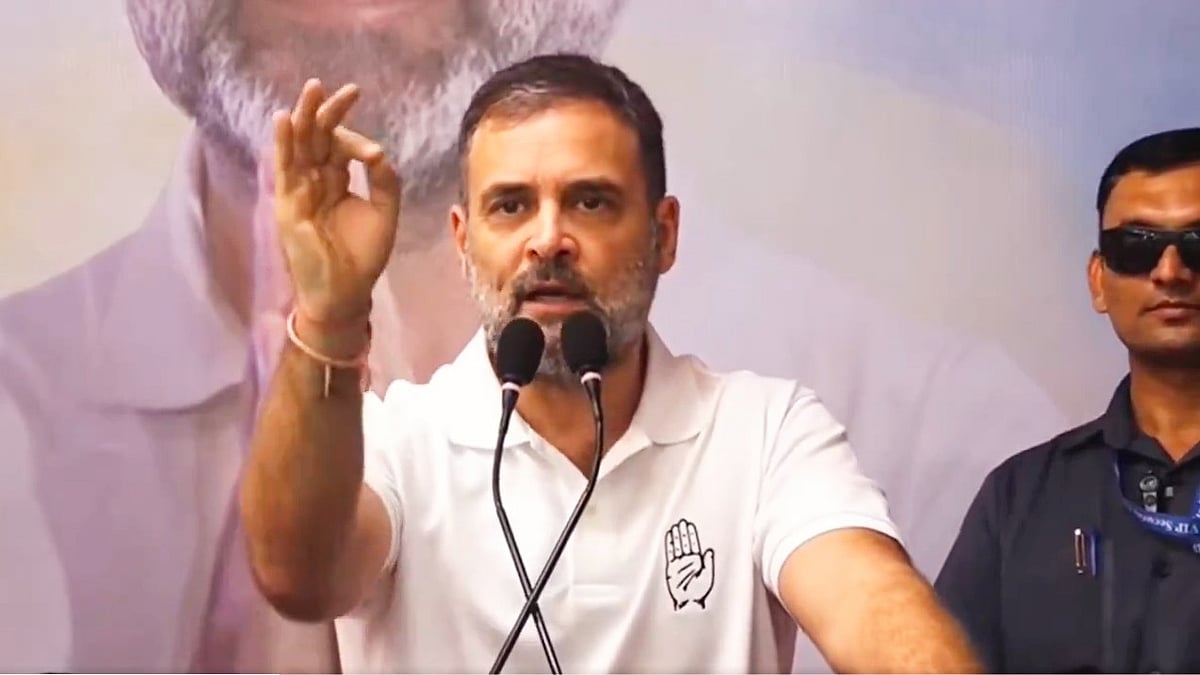
On Saturday, Congress leader Jairam Ramesh spoke to the media about the party's stance. He said that the Congress has always wanted women to have 33 percent of seats in legislatures right away. He criticized the government for trying to link this reservation to the next census and the redrawing of voting districts. Recently, a new bill called the Constitution (131st Amendment) Bill was brought to the Lok Sabha. This bill tried to start the women's reservation but also wanted to increase the total number of seats in the Lok Sabha. However, the bill did not pass because it did not get enough votes.
Important Numbers and Facts
The vote in the Lok Sabha showed a deep divide between the parties. For a constitutional change to pass, it needs a two-thirds majority, which would have been 352 votes. The bill only received 298 votes in favor, while 230 members voted against it. The government’s plan was to increase the number of seats in the Lok Sabha from 543 to 816. This change would have been based on the population data from the 2011 Census. Congress argued that these numbers and the timing were not right and that the government was not being transparent about its true goals.
Background and Context
To understand this issue, it is important to know what women's reservation and delimitation mean. Women's reservation is a plan to set aside one-third of all seats in Parliament and state assemblies for women. This is meant to give women a bigger voice in making laws. Delimitation is the process of changing the boundaries of voting areas to make sure each area has a similar number of people. The government wants to do both at the same time. However, Congress says that the government already passed a law for women's reservation in 2023 but added "sinister" rules that stop it from happening until after 2029. Congress promised in its 2024 election manifesto that if they were in power, they would remove these delays and start the reservation for state elections as early as 2025.
Public or Industry Reaction
The reaction from the Congress party has been very strong. Jairam Ramesh called the government's actions a "betrayal of women." He questioned why the government did not hold a meeting with all political parties to discuss these big changes before bringing them to Parliament. He mentioned that Home Minister Amit Shah only talked about the plans verbally and did not provide written documents for everyone to study. Congress also pointed out that the government has been avoiding a caste census for four years. They believe the government is only now talking about a census to manage the news and distract people from other issues.
What This Means Going Forward
Since the bill failed, the future of women's reservation is uncertain. The government may try to bring a new version of the bill later, or they might wait until after the next census is fully finished. Congress has made it clear that they will continue to fight against linking women's seats to the expansion of Parliament. This disagreement means that the 2025 state elections might happen without the new reservation rules in place. There is also a lot of talk about how a caste census will affect these plans. If a census happens soon, it could change how seats are divided among different groups of people, making the political situation even more complicated.
Final Take
The fight over women's reservation is no longer just about giving women more power in politics. It has become a battle over how the entire Parliament is structured and how voting districts are drawn. While both sides say they support women, their disagreement on the "how" and "when" is keeping the law from becoming a reality. For the average citizen, this means that the promised change for better representation is still waiting for a clear path forward.
Frequently Asked Questions
Why did the women's reservation bill fail in Parliament?
The bill failed because it did not get the required two-thirds majority of votes. While 298 members voted for it, it needed 352 votes to pass as a change to the Constitution.
What is the main disagreement between Congress and the government?
Congress wants the women's reservation to start immediately. The government wants to wait until after a census and after they redraw the voting districts and add more seats to Parliament.
How many seats did the government want to add to the Lok Sabha?
The government proposed increasing the number of seats in the Lok Sabha from the current 543 to 816 seats.