
Summary
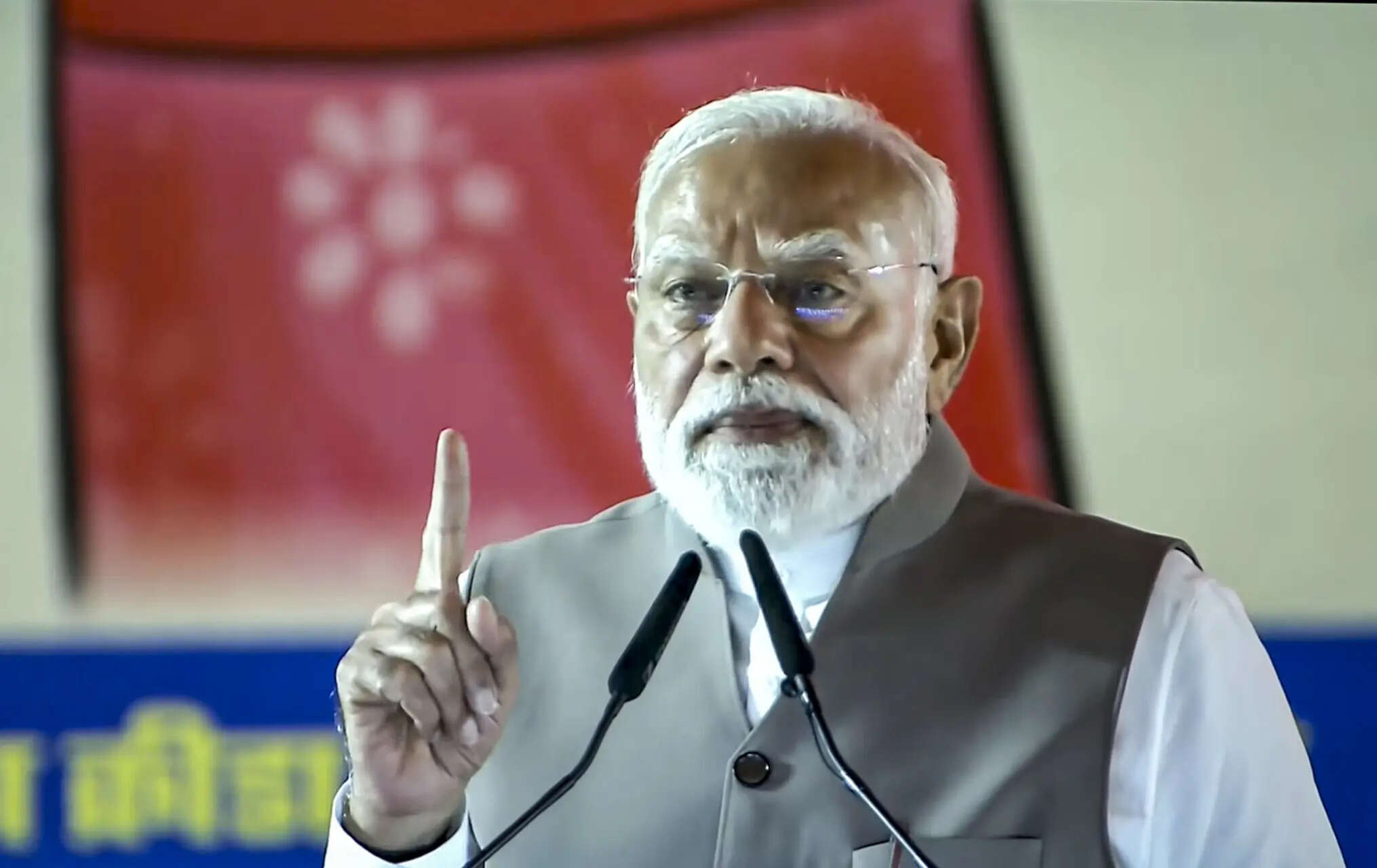
Prime Minister Narendra Modi has highlighted a significant shift in the current election cycle, noting that women are turning out to vote in record numbers. He believes this surge in female participation is a direct response to the actions and policies of the opposition parties. According to the Prime Minister, women are using their ballots to send a clear message and support the government’s focus on their welfare and safety. This trend is being seen as a major turning point in the national political scene.
Main Impact
The high turnout among women voters is changing the way political campaigns are run. In the past, political parties often focused on male voters, but now the female vote has become a decisive factor. Prime Minister Modi suggests that this "silent force" of women is voting to protect the progress made over the last few years. This shift could lead to a major advantage for the ruling party, as women appear to be voting based on specific issues like safety, clean energy, and financial independence.
Key Details
What Happened
During a series of public meetings, Prime Minister Modi spoke about the energy he sees among women at polling stations. He stated that women are no longer just passive observers in politics but are taking the lead to "teach the opposition a lesson." He argued that the opposition has often ignored the needs of women or made comments that were disrespectful. In response, women are showing their strength through the voting process to ensure their voices are heard and their rights are protected.
Important Numbers and Facts
Several key factors are driving this high turnout. The government has pointed to the success of the Ujjwala Yojana, which has provided millions of homes with clean cooking gas. Additionally, the construction of over 110 million toilets under the Swachh Bharat mission has significantly improved the daily lives and dignity of women in rural areas. Recent data also shows that in many states, the percentage of women voting has actually surpassed that of men. The Prime Minister also highlighted the passage of the Women's Reservation Bill, which will reserve one-third of seats in Parliament for women, as a major reason for their growing trust in his leadership.
Background and Context
For many decades, women in India were often expected to vote according to the wishes of the male members of their families. However, over the last ten years, there has been a noticeable change. Women are now making independent choices based on how government policies affect their homes and children. This change is partly due to increased education and the rise of self-help groups that empower women at the local level. The Prime Minister’s focus on "Nari Shakti," or women's power, has been a central theme of his administration, aiming to move from women-led development to women-centric growth.
Public or Industry Reaction
The reaction to these statements has been mixed across the political spectrum. Supporters of the government argue that the Prime Minister has correctly identified a new and powerful voting bloc that values stability and safety. They believe that women are the biggest beneficiaries of direct cash transfers and welfare schemes. On the other hand, opposition leaders claim that the government is using these statements to distract from issues like the high cost of living and unemployment. They argue that rising prices for food and fuel are actually hurting women the most, and they expect women to vote for a change in leadership instead.
What This Means Going Forward
Moving forward, the influence of women voters will likely force every political party to rethink their strategies. We can expect to see more policies specifically designed for women, such as better healthcare, more jobs in the formal sector, and increased safety measures in cities. If the trend of high female turnout continues, it will mean that no party can win an election without a clear and convincing plan for women's empowerment. This could lead to a more inclusive political environment where the needs of half the population are given top priority.
Final Take
The rise of the woman voter is perhaps the most important story in modern Indian politics. By turning out in large numbers, women are proving that they are a powerful group that cannot be ignored. Whether they are voting to support the current government or to challenge it, their active participation makes the democratic process stronger and more representative of the entire nation.
Frequently Asked Questions
Why does PM Modi believe women are voting against the opposition?
He believes women are unhappy with the opposition's past record on safety and their lack of focus on basic needs like water, toilets, and clean cooking fuel.
What are some government schemes that have helped women?
Key schemes include the Ujjwala Yojana for cooking gas, the Swachh Bharat mission for toilets, and the Matru Vandana Yojana for pregnancy support.
Is the number of women voters really increasing?
Yes, recent election data shows that women's participation has grown steadily, and in several recent state and national elections, women have voted at higher rates than men.



