
Summary
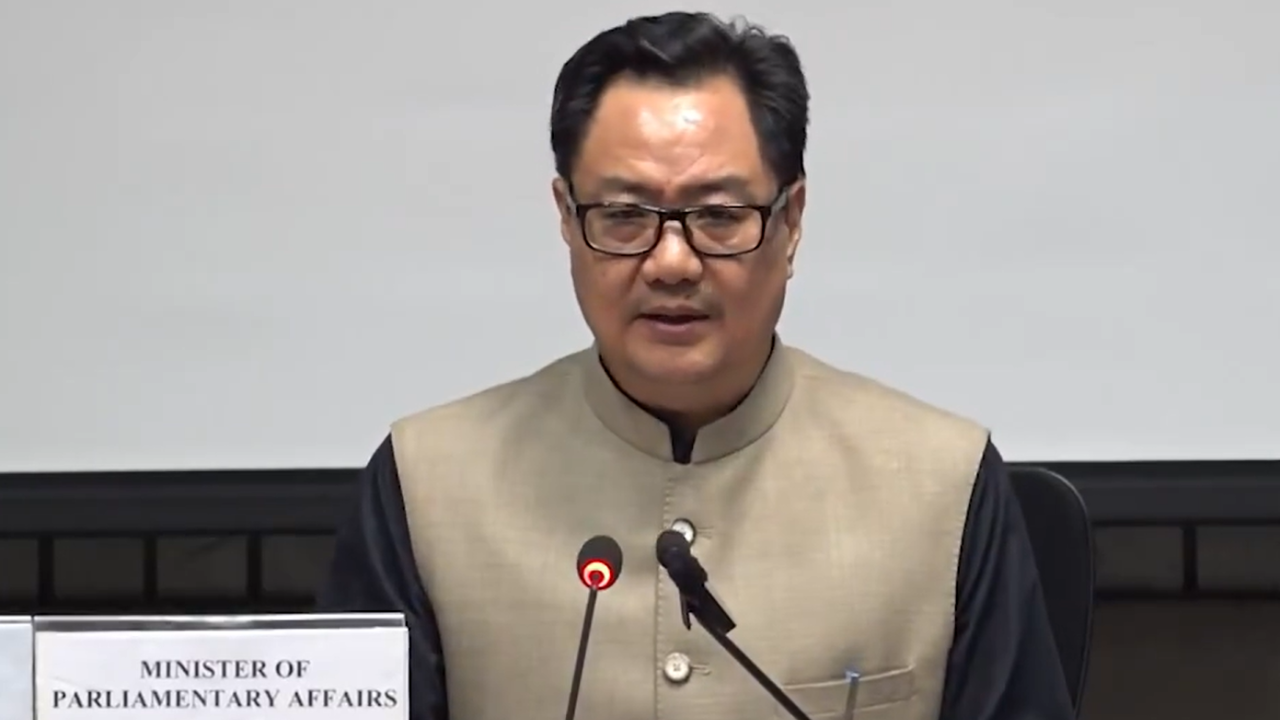
The Women’s Reservation Bill recently failed to pass in the Lok Sabha, sparking a heated debate between the government and the opposition. Union Minister Kiren Rijiju stated that this outcome should not be viewed as a failure on the part of the government. He argued that the ruling party did its best to bring the bill forward, but it could not meet the strict voting requirements. The bill is a major piece of legislation that aims to give women more power in the country's political system.
Main Impact
The failure to pass this bill means that the plan to reserve seats for women in Parliament is once again on hold. This delay affects how many women can participate in making laws for the country. For years, activists have pushed for more female representation, and this setback is seen as a disappointment for those hoping for quick change. It also creates a deeper political divide, as both the government and the opposition are now blaming each other for the stalemate.
Key Details
What Happened
The bill was brought to the Lok Sabha for a vote, but it did not get the support it needed. In India, certain types of laws, especially those that change the Constitution, require a "two-thirds majority." This means that two out of every three members present must vote in favor of the bill. Because the government and the opposition could not agree on the specific terms of the bill, the final vote count fell short of this high target. Union Minister Kiren Rijiju pointed out that the government showed its commitment by bringing the bill to the floor, but the lack of cooperation from other parties stopped it from becoming law.
Important Numbers and Facts
The Women’s Reservation Bill proposes to set aside 33 percent of seats in the Lok Sabha and state legislative assemblies for women. Currently, the number of women in these positions is much lower than their share of the population. To pass a constitutional amendment like this, the government needs more than just a simple majority. It needs a special majority where at least two-thirds of the members voting say "yes." The opposition parties stated they support the idea of reservation but had major concerns about how and when the law would actually start working.
Background and Context
The idea of reserving seats for women in India is not new. It has been discussed for nearly thirty years. The goal is to ensure that women have a fair voice in the highest levels of government. However, the bill has faced many hurdles over the decades. The current version of the bill includes a condition that the reservation will only happen after a new census is taken and the boundaries of voting districts are redrawn. This process is known as "delimitation." The census is a massive project where the government counts every person in the country, and delimitation uses that data to make sure each representative covers a fair number of people.
Public or Industry Reaction
The reaction to the bill’s failure has been split along party lines. Kiren Rijiju strongly criticized the Congress party and other opposition groups. He called their actions "anti-women" and said their refusal to support the bill was a major blow to the nation’s progress. On the other side, opposition leaders argued that they are not against women’s reservation. Instead, they are against the "hidden conditions" in the bill. They believe that linking the reservation to the census and delimitation is a way for the government to delay the law for many more years. They want the 33 percent quota to start immediately, without waiting for new population data.
What This Means Going Forward
Since the bill did not pass, the government will likely have to try again in a future session or find a way to reach a compromise with the opposition. This issue will probably become a major talking point in upcoming elections. The ruling party will likely tell voters that they tried to empower women but were blocked. Meanwhile, the opposition will likely tell voters that the government’s plan was flawed and designed to fail. Until both sides can agree on the timing and the details of the census link, the 33 percent reservation remains a plan rather than a reality.
Final Take
The struggle to pass the Women’s Reservation Bill shows how difficult it is to change the makeup of a country's leadership. While almost everyone agrees that more women should be in power, the disagreement over the "fine print" continues to stall progress. The path forward will require more than just speeches; it will require a real agreement that puts the goal of representation above political competition.
Frequently Asked Questions
Why did the Women’s Reservation Bill fail to pass?
The bill failed because it did not get the two-thirds majority vote required for a constitutional amendment in the Lok Sabha. The opposition and the government could not agree on certain conditions within the bill.
What is the 33 percent reservation?
It is a proposal to reserve one-third of the seats in the Lok Sabha and state assemblies for women to ensure they have a stronger voice in making the country's laws.
What are census and delimitation?
A census is an official count of the population. Delimitation is the process of redrawing the boundaries of voting areas based on that population count. The current bill says the reservation can only start after these two things are finished.



