
Summary
For the first time in over a decade, the current government faced a major setback in the Lok Sabha when a bill failed to pass. The bill in question aimed to reserve seats for women in Parliament, but it did not get the support needed to move forward. While some see this as a failure in planning, many political experts believe it was a calculated move to show voters where each party stands. This event marks a significant shift in how the government handles its legislative goals as the country moves closer to major elections.
Main Impact
The primary impact of this failure is the creation of a new political narrative. By bringing the bill to a vote and seeing it fail, the ruling party can now claim they are the only ones truly fighting for women's rights. They are positioning themselves as reformers who were stopped by an uncooperative opposition. This allows them to use the voting records of every Member of Parliament as a tool during election campaigns. It forces opposition parties to explain why they did not support a bill that is popular with many female voters.
Key Details
What Happened
The government introduced a bill that would set aside 33 percent of seats in the Lok Sabha and state assemblies for women. However, the bill included a specific condition: it would only take effect after a new census and a process called delimitation. Delimitation is when the government redraws the boundaries of voting areas to make sure they have a fair number of people. Because of this condition, the bill faced heavy criticism and eventually failed to pass. This is the first time since 2014 that a bill backed by the Prime Minister's administration did not succeed in the house.
Important Numbers and Facts
The goal of the bill was to ensure that one-third of all lawmakers in India are women. Currently, the number of women in Parliament is much lower than that. The government has held a strong majority since 2014, passing hundreds of bills without much trouble. The fact that this specific bill failed is being viewed as a rare moment in Indian politics. The timeline for the bill was also a major point of debate, as the census and delimitation process could take several years to complete, meaning the reservation might not have happened until the late 2020s or early 2030s.
Background and Context
The idea of reserving seats for women in India is not new. It has been discussed for nearly thirty years. Various governments have tried to pass similar laws, but they often faced protests from smaller parties who feared their own influence would shrink. The current government decided to link the reservation to the census and the redrawing of voting districts. This link is what caused the most tension. Critics argue that the government knew this condition would make the bill hard to pass, leading to the theory that the failure was actually part of a larger plan to win over voters without actually changing the law yet.
Public or Industry Reaction
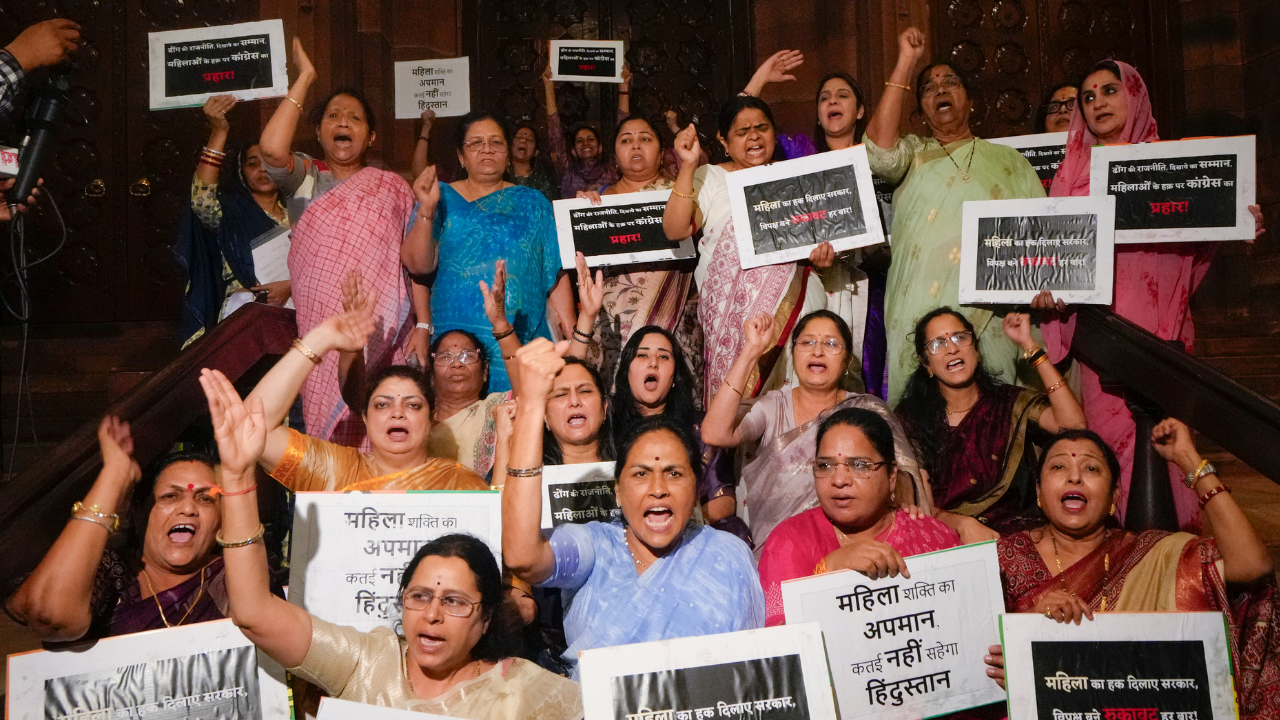
The reaction to the bill's failure has been split along party lines. Supporters of the government say the move showed "intent" and that the ruling party is the only one brave enough to even try. They blame the opposition for being a "speed bump" on the road to progress. On the other hand, opposition leaders have called the bill a "political stunt." They argue that if the government were serious, they would have introduced a simple bill without the complicated census requirements. Women's rights groups have expressed disappointment, noting that yet another opportunity to increase female representation has been lost to political games.
What This Means Going Forward
Moving forward, this event will likely be a central theme in upcoming election speeches. The government will likely tell voters that they tried to give women more power but were blocked by their rivals. This puts the opposition in a difficult spot, as they must now convince voters that they support women's rights even though they voted against this specific bill. We can expect to see more debates about the census and how voting districts are drawn, as these technical issues have now become major political weapons. The delay in the bill means that the gender balance in Indian politics will likely remain the same for at least the next few election cycles.
Final Take
The failure of the women's reservation bill is less about a lack of votes and more about the power of political messaging. By forcing a vote that was destined to struggle, the government has turned a legislative defeat into a campaign story. Whether this was poor planning or a master plan, the result is the same: the path to equal representation for women in India remains long and filled with political hurdles. The real test will be whether voters see this as a sincere effort or just another way to win an election.
Frequently Asked Questions
Why did the women's reservation bill fail?
The bill failed because it was linked to the census and the redrawing of voting boundaries, which many lawmakers found controversial or unnecessary for the goal of reservation.
What is delimitation in simple terms?
Delimitation is the process of changing the borders of political constituencies to make sure each area has a similar number of voters based on the latest population data.
When was the last time the government failed to pass a bill?
This is the first major legislative failure for the Modi government since they first took office in 2014, ending a long streak of successful bill passages.



