
Summary
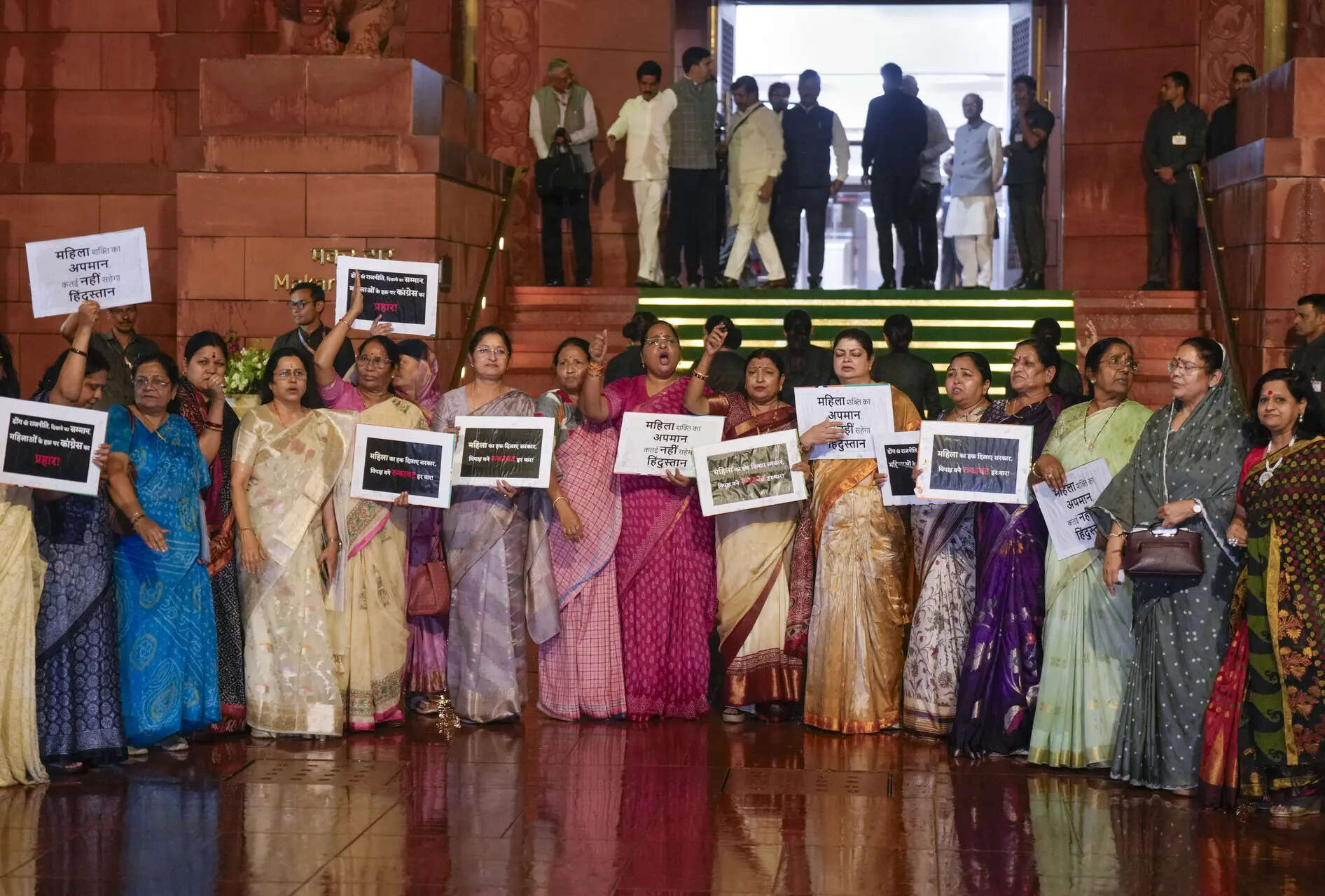
The 18th Lok Sabha has officially started its term with 74 women elected as Members of Parliament (MPs). While this number shows that women are still a small part of the total 543 seats, it highlights the ongoing push for better gender balance in Indian politics. The Bharatiya Janata Party (BJP) holds the highest total number of female representatives, while the Trinamool Congress (TMC) leads in terms of the percentage of women within its own party ranks. This data comes at a time when the country is preparing for the future implementation of the Women’s Reservation Bill.
Main Impact
The presence of 74 women in the lower house of Parliament is a significant figure, though it is a slight drop from the 78 women elected in 2019. This change shows that despite new laws being passed, the actual number of women winning seats can still go up or down depending on party choices and voter trends. The main impact is a renewed focus on the "Nari Shakti Vandan Adhiniyam," a law that aims to reserve one-third of all seats for women. The current numbers serve as a baseline to measure how much work is left to reach that 33 percent goal.
Key Details
What Happened
Following the recent general elections, the final count of female winners was confirmed. Out of the hundreds of women who campaigned across the country, 74 managed to secure a seat in the Lok Sabha. These women come from various backgrounds, including seasoned politicians, former royalty, and grassroots workers. The distribution of these seats across different political parties shows which groups are giving more opportunities to female candidates.
Important Numbers and Facts
The data reveals a clear picture of how different parties approach gender representation. The BJP, being the largest party in the house, has 31 female MPs. The Congress party follows with 13 women. However, the most striking numbers come from the Trinamool Congress (TMC). Out of the 29 seats won by the TMC, 11 are held by women. This means nearly 38 percent of their MPs are female, which is currently the highest proportion among the major parties. Other parties like the Samajwadi Party (SP) also contributed to the total, with 5 women winning from their side.
Background and Context
The discussion around women in Parliament is tied closely to the Women’s Reservation Bill, which was passed with great support in 2023. This law promises to set aside 33 percent of seats in the Lok Sabha and state assemblies for women. However, there is a catch: the law cannot be used until a new census is finished and the boundaries of voting areas are redrawn. Because of these technical steps, the 18th Lok Sabha was elected under the old rules. This explains why the current percentage of women is only around 13.6 percent, rather than the 33 percent target set by the new law.
Public or Industry Reaction
Political experts and women's rights groups have mixed feelings about these results. On one hand, there is praise for parties like the TMC that have voluntarily given more tickets to women. On the other hand, there is disappointment that the total number of women decreased slightly compared to the previous election. Many activists are calling for political parties to not wait for the law to become active. They argue that parties should nominate more women on their own to show they are serious about equality. The public reaction on social media shows a strong desire to see more diverse voices in government to handle issues like education, healthcare, and safety.
What This Means Going Forward
Looking ahead, the 18th Lok Sabha will be the last or one of the last houses before the reservation law fully kicks in. The next few years will likely see a shift in how parties pick their candidates. They will need to find and train more female leaders to fill the hundreds of seats that will eventually be reserved for them. There is also a risk that parties might only nominate female relatives of existing male politicians, a practice often called "proxy politics." To avoid this, there is a growing need for programs that help women from all walks of life enter the political field.
Final Take
The election of 74 women is a reminder that the path to equal representation is slow and requires more than just passing a law. While the BJP has the strength in numbers and the TMC shows a strong commitment to percentage, the overall goal of 33 percent remains a distant target for now. The real test will come in the next election cycle, when the legal requirements for reservation are expected to change the face of Indian democracy forever. Until then, these 74 women carry the responsibility of representing half of the country's population in the highest house of the land.
Frequently Asked Questions
How many women are in the 18th Lok Sabha?
There are 74 women MPs in the current Lok Sabha, which is about 13.6 percent of the total 543 members.
Which party has the most female MPs?
The Bharatiya Janata Party (BJP) has the highest number of female MPs with 31 representatives.
When will the 33 percent reservation for women start?
The reservation will likely start after the next census and the redrawing of constituency boundaries, which is expected to happen before the 2029 or 2034 elections.



