There's a familiar office anxiety: the seconds after a manager says "let's circle back on that," when every hand in the room reaches for a keyboard. The fear isn't the meeting — it's the notes you'll fail to capture while also trying to listen. A growing group of AI tools is built to end that anxiety, and Wispr Flow, a dictation app with a loyal following, has now pushed its way into the meeting room.
*This article is based on the original story provided. No high-confidence primary sources were available for independent verification at the time of writing.*Wispr Flow's live notetaker arrives without a manual
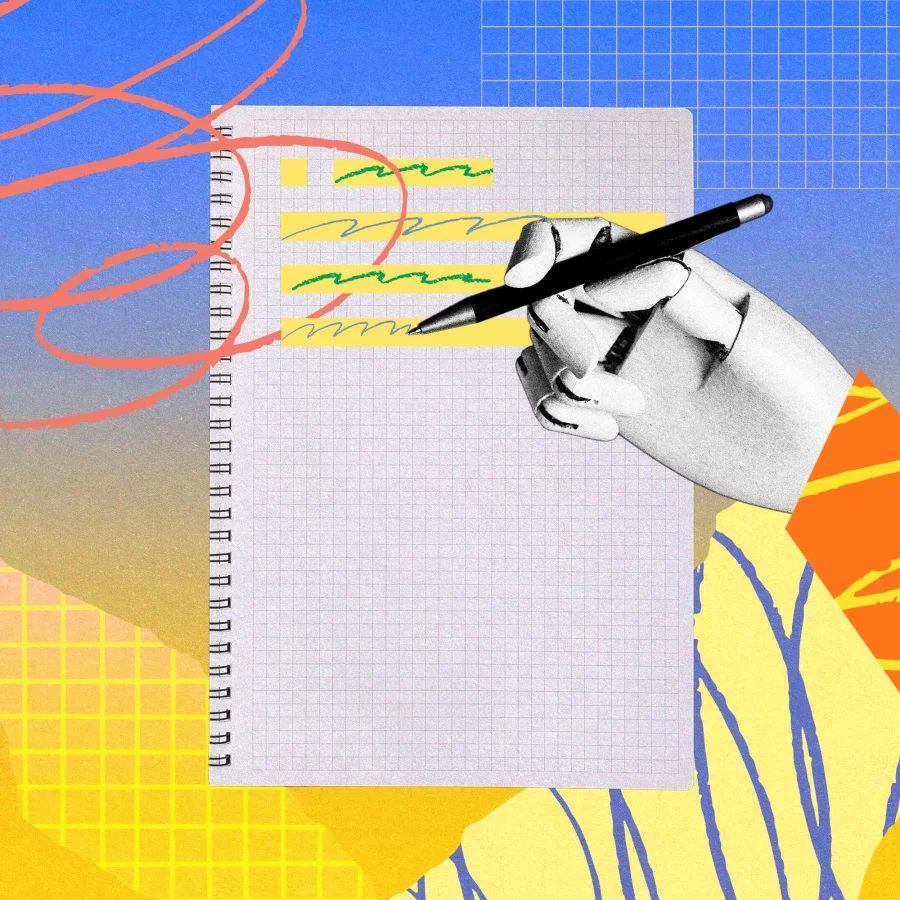
Wispr Flow has long been known as a dictation tool that converts speech into text. Its latest release extends that capability into live meetings. According to the original story, the new Wispr Flow notetaker transcribes and summarizes meetings automatically.
It's a simple pitch: let the AI sit in, capture what's said, and hand back a clean summary when the call ends. For anyone who has ever left a meeting with three pages of messy scribbles, that is an easy promise to appreciate.
Why automatic meeting notes are suddenly everywhere
This is not an accidental launch. The original story describes Wispr Flow joining "a growing wave of AI notetakers for the workplace." That wave is visible across the software industry — the meeting-transcription category has quietly become one of the busiest corners of workplace tech.
The reason is straightforward. Note-taking is among the least-loved parts of professional life, and software vendors have noticed. When a repetitive, universally disliked task meets capable AI, tools tend to multiply quickly.
The quiet shift: from typing to actually listening
The most immediate benefit is the end of the split-brain problem. When humans take notes, they are doing two things at once — listening and writing — and one of those always suffers. With transcription handled automatically, participants can stay present in the conversation.
The subtler change is in follow-through. A polished summary produced shortly after a meeting makes action items harder to ignore. It also changes how work gets documented: decisions that used to live in one person's notebook can become shared records almost instantly.
The awkward question: who agreed to be recorded?
Any tool that listens to a meeting raises a question nobody enjoys asking: did everyone in the room consent? Workplace AI notetakers have sparked privacy debates since the category emerged, and each new entrant inherits that scrutiny.
How Wispr Flow's version handles recording, storage, and consent has not been independently confirmed in the initial report. That uncertainty is not a criticism — it is the standard question every new tool should expect from cautious users.
Confirmed facts vs. what remains unclear
Confirmed from the original story: Wispr Flow released a live notetaker; it transcribes and summarizes meetings; Wispr Flow is a popular dictation tool; and the launch sits inside a growing wave of workplace AI notetakers.
Still unconfirmed: pricing, platform availability, integrations with existing meeting software, transcription accuracy, and privacy controls. None of these details were available in the source material, and this article deliberately does not guess.
What to do while notetakers compete for a seat at your table
For teams curious about AI notetakers but not ready to trust one on sensitive calls, a middle path exists. Test the tool on low-stakes internal meetings first. Read the privacy and data-retention terms before anyone says anything confidential. And make sure everyone in the room knows the AI is listening — consent is the cheapest safeguard available.
It also helps to compare tools before committing. The category is crowded, and different notetakers handle accuracy, speaker identification, and summaries differently. Early testing beats a rushed default.
Where this ends: from taking notes to driving follow-ups
Look ahead, and transcription looks like the easy part. The next generation of meeting assistants will likely connect summaries to calendars, tasks, and email — turning a conversation into action without a human touching it. Wispr Flow's move is best read as a step in that direction, though the company's exact roadmap is beyond this story.
That part of the future remains speculative. But if the current wave is any guide, the meeting of the near future may not need a designated note-taker at all.
Our Take
The most interesting thing about Wispr Flow's launch is not the transcription itself. It's that meeting documentation is becoming invisible — something that happens without anyone typing. That is a genuine improvement for people who spend hours in calls.
But every gain in convenience carries a trade in trust. In this category, trust is the feature that decides whether the AI earns a permanent seat at the table or gets asked to leave the room.
Frequently Asked Questions
What is Wispr Flow's new AI notetaker?
It is a live notetaker released by Wispr Flow, a popular dictation tool. According to the original story, it transcribes and summarizes meetings automatically. Independent details on features and availability are still limited.
Is Wispr Flow still just a dictation app?
No. Wispr Flow's roots are in dictation, but the new live notetaker expands it into meeting transcription. The original story notes it now joins a growing wave of AI notetakers for the workplace.
Why are AI meeting notetakers becoming so common?
Because note-taking is a widespread pain point. Automatic transcription turns conversations into searchable records and clean summaries without manual effort. The category has grown rapidly as more tools — including Wispr Flow — enter the space.
Should you use an AI notetaker for sensitive meetings?
Only after checking how the tool records, stores, and protects data — and after telling everyone in the meeting. Workplace rules about recording conversations also apply. Since Wispr Flow's privacy details are not