
Summary
The UAE Cyber Security Council has issued a high-level warning about a dangerous type of software known as Wiper malware. This specific threat is designed to destroy data permanently rather than stealing it or holding it for ransom. Authorities are calling it one of the most destructive digital risks today because it can completely shut down a company's operations. Both individuals and large organizations are being told to update their security habits immediately to prevent total data loss.
Main Impact
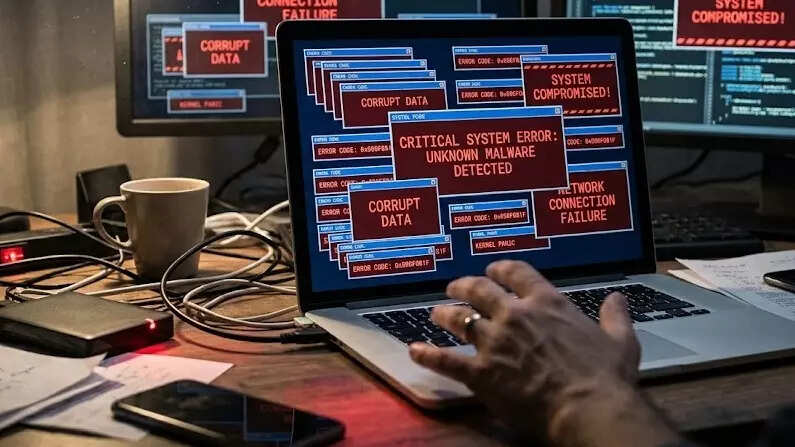
The primary impact of Wiper malware is the total loss of digital information. Unlike common viruses that might slow down a computer or show unwanted ads, this malware is built for destruction. When it infects a system, it overwrites files and makes them impossible to recover. For a business, this could mean losing years of financial records, customer data, and internal documents in just a few minutes. For an individual, it could mean the permanent loss of personal photos and important files.
Key Details
What Happened
The UAE Cyber Security Council recently identified an increase in the use of Wiper malware. This software often enters a computer through a fake email or a harmful link. Once inside, it searches for the most important parts of the computer's storage. It then begins a process of deleting or corrupting that data. In many cases, the malware also attacks the part of the computer that tells it how to start up. This makes the entire device useless, often requiring a complete replacement of the hardware or a total system wipe.
Important Numbers and Facts
While the exact number of recent attacks has not been made public, the UAE authorities have labeled this a "critical" alert. This level of warning is reserved for threats that can cause widespread damage to the country's digital infrastructure. Experts note that Wiper malware is often used in cyber warfare because its goal is to cause chaos rather than make money. Unlike ransomware, where hackers ask for a payment to return your files, Wiper malware offers no way to get the data back, even if you were willing to pay.
Background and Context
To understand why this is so serious, it helps to know the difference between different types of cyber threats. Most people are familiar with "Ransomware." In those cases, hackers lock your files and ask for money to unlock them. While bad, there is at least a chance to get the data back. Wiper malware is different. It is purely "sabotage software." It was first seen on a large scale during international conflicts where one group wanted to disable the government or power systems of another group.
The UAE is a major global hub for finance, trade, and technology. Because so much of the country's economy runs on digital systems, a destructive attack like this could have a huge effect. This is why the government is taking a proactive step by warning everyone before a major outbreak happens.
Public or Industry Reaction
Security experts in the UAE are urging companies to review their backup plans. Many businesses keep their backups connected to their main network. If a Wiper attack hits the main network, it can often spread to the backups and destroy them too. Experts are now recommending "offline backups." This means keeping a copy of important data on a drive that is not plugged into the internet or the main office system.
Technology leaders are also calling for better training for employees. Since most of these attacks start with a simple mistake, like clicking a link in a suspicious email, teaching staff how to spot these tricks is the first line of defense.
What This Means Going Forward
As we move further into 2026, the tools used by hackers are becoming more advanced. We can expect to see Wiper malware that is harder to detect and faster at destroying data. The UAE government will likely continue to monitor these threats and provide updates to the public. For the average person, this means that digital safety is no longer something you can ignore. Using strong passwords and keeping software updated is now a basic necessity for everyone who uses a computer or a smartphone.
Companies will also need to invest more in "disaster recovery." This is a plan that explains exactly what to do if all their data is suddenly deleted. Having a plan in place can mean the difference between a business surviving an attack or closing down forever.
Final Take
The warning from the UAE Cyber Security Council is a reminder that the digital world can be a dangerous place. While technology makes our lives easier, it also creates new risks that we must manage. By taking simple steps like backing up data and being careful with emails, we can protect ourselves from even the most destructive malware. Staying informed and staying alert is the best way to keep our digital lives safe.
Frequently Asked Questions
What is the main difference between Wiper malware and Ransomware?
Ransomware locks your files and asks for money to give them back. Wiper malware simply deletes or destroys your files forever without asking for anything. There is no way to recover data destroyed by a Wiper attack.
How can I protect my personal computer from this threat?
The best protection is to keep your software updated and use a good antivirus program. Most importantly, you should regularly back up your files to an external hard drive or a secure cloud service that is not always connected to your computer.
Can Wiper malware affect my smartphone?
Yes, any device that stores data can be a target for destructive malware. It is important to only download apps from official stores like the Apple App Store or Google Play Store and to avoid clicking on links in strange text messages.

