
Summary
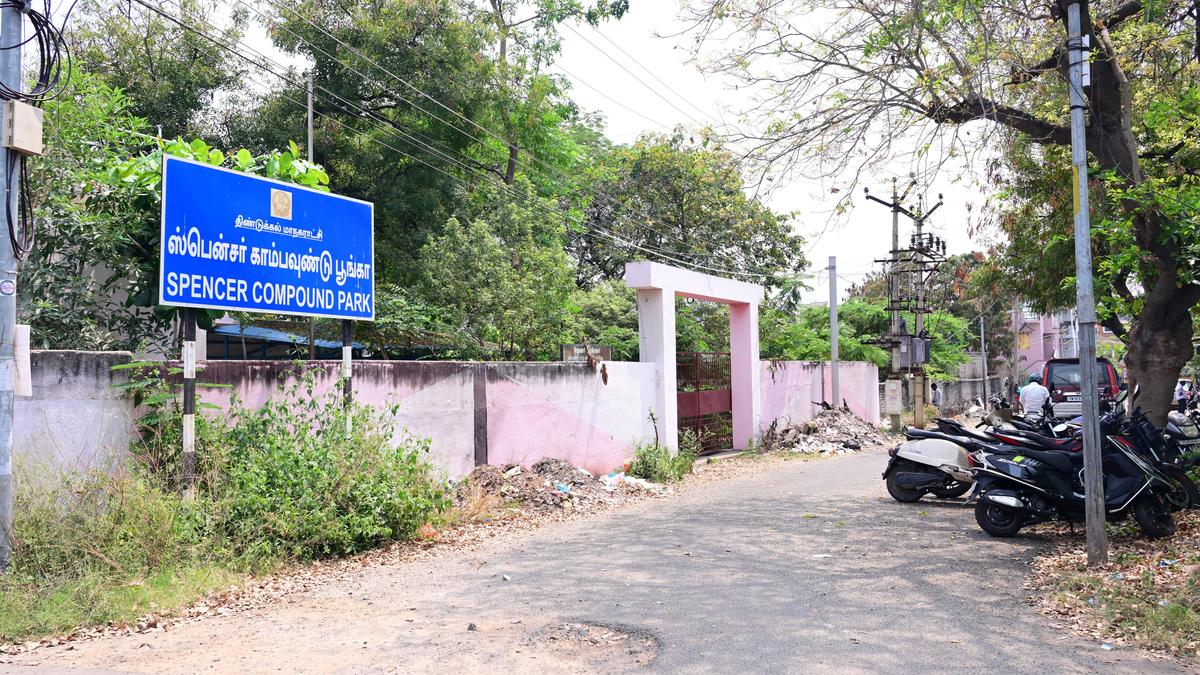
Winston Churchill, the famous British Prime Minister, was known for his love of cigars. During the difficult years of the Second World War, he found comfort in a specific type of cigar made in Dindigul, India. He placed a permanent order for these cigars through the Government of Madras to ensure he never ran out. Today, the factory that produced these famous cigars is gone, leaving only a quiet, overgrown garden where a thriving industry once stood.
Main Impact
The connection between Winston Churchill and Dindigul cigars highlights a unique piece of history between Britain and India. It shows how a local industry in a small Indian town played a role in the personal life of a world leader during a global crisis. The success of these cigars brought international fame to Dindigul, making it a key center for tobacco production. However, the eventual closure of the main factory, Spencer and Co., marked the end of an era for high-end cigar making in the region.
Key Details
What Happened
During the Second World War, Winston Churchill needed a reliable source of quality tobacco. He turned to the cigars produced in Dindigul, a town in the southern part of India. These cigars were manufactured by a company called Spencer and Co. To make sure the Prime Minister received his supply regularly, a formal arrangement was made with the Government of Madras. This was not just a one-time purchase but a standing order that lasted throughout the war years. The cigars were shipped from India to London, providing Churchill with a sense of calm during the stress of wartime leadership.
Important Numbers and Facts
The Dindigul cigar industry reached its peak during the mid-20th century. Spencer and Co., the primary manufacturer, operated a large facility known as the Spencer Compound. The company remained a major player in the tobacco market until the 1950s. After decades of success, the business finally shut down during that decade. Today, the physical remains of this history are scarce. The Spencer Compound, which once saw hundreds of workers rolling cigars by hand, has been reduced to a small patch of land that is now an unmanaged garden.
Background and Context
Dindigul has a long history with tobacco. The soil and climate in this part of Tamil Nadu were perfect for growing a specific type of tobacco leaf. These leaves were used to make "cheroots," which are cigars with both ends cut flat. British officers and officials living in India during the colonial period grew very fond of them. They were often called the "Light of Asia" because of their mild flavor and high quality. By the time World War II began, Dindigul cigars were already famous across the British Empire. For Churchill, these cigars were more than just a habit; they were a part of his public image and a way to manage the immense pressure of his job.
Public or Industry Reaction
At the height of production, the people of Dindigul took great pride in their work. Knowing that their handmade products were being sent to the highest levels of the British government was a source of local honor. However, as the 1950s approached, the global tobacco industry began to change. Cigarettes became more popular than cigars because they were cheaper and faster to smoke. This shift in public taste, combined with changes in trade laws after India gained independence, led to the decline of the large cigar factories. Many local workers had to find new ways to make a living as the big companies like Spencer and Co. closed their doors.
What This Means Going Forward
The story of the Dindigul cigar is a reminder of how global events and personal tastes can shape local economies. While the large-scale factory production has stopped, the legacy of Dindigul tobacco still exists in smaller forms. There are still some small workshops in the area that keep the tradition of hand-rolling cigars alive, though they do not have the same international reach they once did. For historians and locals, the Spencer Compound serves as a silent monument to a time when a small town in India was linked directly to the halls of power in London. It highlights the importance of preserving local history before it is completely reclaimed by nature.
Final Take
History is often found in the smallest details, such as the smoke from a Prime Minister’s cigar. The Dindigul cigar was a small but significant part of Winston Churchill's life during the war. While the factories have closed and the gardens have grown over, the story remains a fascinating example of how local craftsmanship can reach the world stage. It serves as a tribute to the skill of the workers who once made Dindigul a household name for cigar lovers everywhere.
Frequently Asked Questions
Why did Winston Churchill choose cigars from Dindigul?
Churchill preferred them for their unique flavor and high quality. They were widely considered some of the best cigars produced within the British Empire at the time.
What happened to Spencer and Co.?
The company was a major manufacturer in Dindigul but closed its tobacco business in the 1950s due to changing market demands and the rising popularity of cigarettes.
Can you still buy Dindigul cigars today?
While the large factories like Spencer and Co. are gone, some small-scale local producers in the Dindigul region still make traditional hand-rolled cigars, though they are harder to find internationally.



