
Summary
A federal appeals court has ruled that a judge must take a closer look at the security risks of stopping construction on a new White House ballroom. The project, which costs $400 million, was recently put on hold by a lower court because it lacked approval from Congress. However, the appeals court says it needs more information to know if stopping the work would put the president, his family, or his staff in danger. This decision moves the legal battle into a new phase where national security and building rules are being weighed against each other.
Main Impact
The immediate impact of this ruling is that the construction project is not fully dead yet. By asking for a review of security needs, the appeals court has given the administration a chance to prove that the ballroom is necessary for safety. If the court decides that the building work is tied to essential security upgrades, the project could move forward despite the lack of congressional funding. This case also highlights a major disagreement over how much power a president has to change the White House without asking lawmakers for permission.
Key Details
What Happened
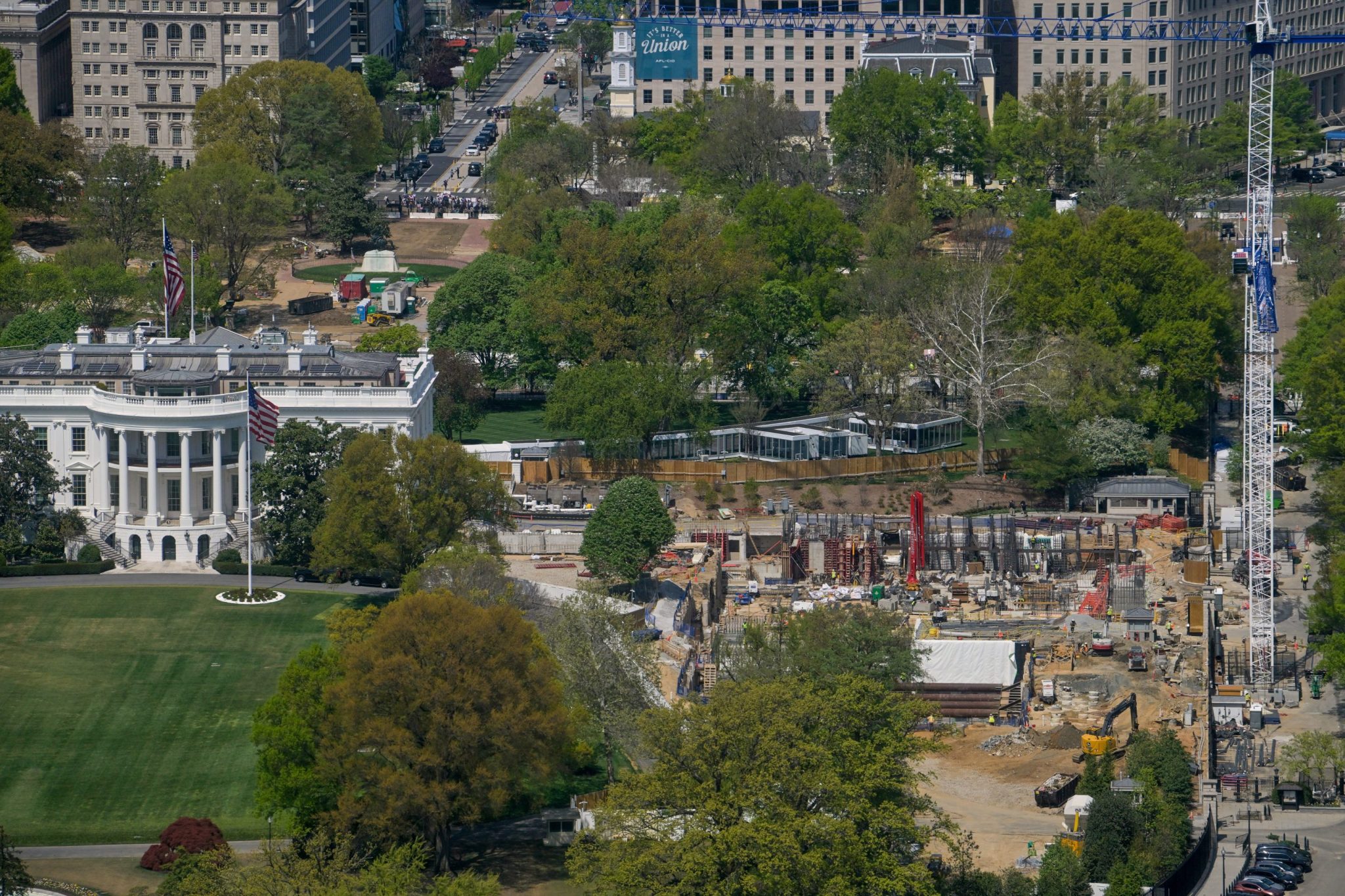
A three-judge panel from the U.S. Court of Appeals for the District of Columbia Circuit reviewed a previous order that blocked the ballroom construction. The original order came from U.S. District Judge Richard Leon, who argued that the president did not have the legal right to build the structure on his own. The appeals court did not overturn that ruling entirely, but they did say that the judge did not sufficiently explain how a construction halt would affect security. They have now sent the case back to Judge Leon for more clarification.
Important Numbers and Facts
The ballroom project is a massive undertaking with several key figures involved. The total cost is estimated at $400 million. The planned structure is 90,000 square feet and is designed to hold up to 999 people. While the president claims the ballroom itself is paid for by private donations, public money is being used for the underground portions. The appeals court has extended the current pause on construction until April 17. This gives the administration time to take the case to the Supreme Court if they choose to do so.
Background and Context
This legal fight started when a group called the National Trust for Historic Preservation sued the government. They were upset because the White House demolished the East Wing to make room for the new ballroom. This group argues that the White House is a historic treasure that belongs to the American people, not to any single president. They believe that major changes to the building should require a public process and a vote from Congress.
The project is the largest structural change to the White House in over 70 years. Usually, such big changes are reviewed by several commissions. In this case, the administration moved forward with demolition before getting all the necessary approvals. Later, the project was approved by commissions that were filled with people appointed by the president. This has led to accusations that the normal rules for historic buildings were ignored.
Public or Industry Reaction
The reaction to the project has been split. Government lawyers argue that the ballroom is not just for parties. They say it includes vital security features like bomb shelters, military equipment, and a medical center located underground. They claim these features protect against modern threats like drones, missiles, and chemical attacks. Without these upgrades, they argue the president is at risk.
On the other side, preservationists and some legal experts agree with Judge Leon’s earlier statement that the president is a "steward" of the White House, not the owner. They believe that even if security is important, the president must still follow the law and work with Congress. Carol Quillen, the head of the National Trust, said her group wants to ensure that the historic importance of the building is respected through broad consultation with the public.
What This Means Going Forward
The case now goes back to Judge Leon. He must decide if the security parts of the project can be separated from the ballroom itself. The government argues they are "inseparable," meaning you cannot build the security bunkers without also building the ballroom above them. If the judge finds that the security risks are real and cannot be avoided, he may allow some or all of the construction to continue.
If the judge stands by his original decision to stop the work, the case will likely head to the Supreme Court. This would create a major legal test regarding presidential authority. It will force the courts to define where a president's power to protect themselves ends and where the duty to follow federal spending laws begins. For now, the site remains a construction zone with an uncertain future.
Final Take
This dispute is a clear example of the tension between national security and the rule of law. While the government makes a strong case for protecting the commander-in-chief, the courts are reminding the administration that no one is above the rules of the land. The final decision will set a precedent for how future presidents can modify the nation's most famous residence and whether they must answer to Congress when doing so.
Frequently Asked Questions
Why is the White House ballroom construction being challenged?
The project is being challenged because critics say the president does not have the legal authority to build such a large structure without approval and funding from Congress. Preservation groups also argue it damages the historic nature of the White House.
What security features are included in the project?
The government claims the project includes underground bomb shelters, a medical facility, and specialized defenses against drones, ballistic missiles, and biological hazards to keep the president and staff safe.
What happens if the court stops the construction permanently?
If the construction is permanently stopped, the administration would likely have to seek a formal vote from Congress to move forward. They might also have to change the design to satisfy historic preservation rules or find a way to build only the security features.



