
Summary
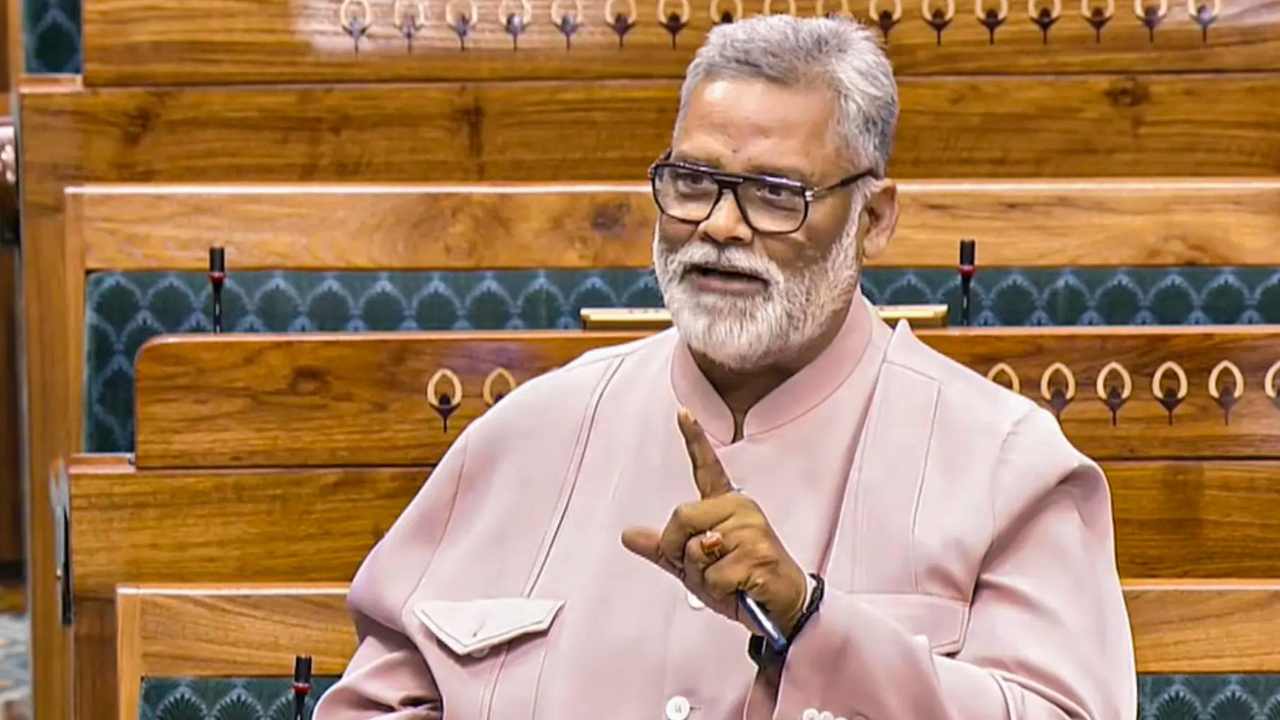
Pappu Yadav, an Independent Member of Parliament (MP) from Bihar, has publicly refused to apologize for controversial comments he made about women. His remarks were directed at the Women’s Reservation Bill and the risks he believes women face when entering the world of politics. While his words have caused a major outcry, Yadav maintains that he was only trying to protect women by speaking the truth. The Bihar State Women’s Commission has now stepped in, demanding a formal explanation for his statements.
Main Impact
The primary impact of this situation is a growing debate over how leaders talk about women in public life. By refusing to apologize, Pappu Yadav has challenged the authority of the state women’s commission and sparked a conversation about the safety of women in political parties. His comments suggest that the political system is unsafe for young women, which many critics argue discourages them from seeking leadership roles. This standoff also highlights the tension between an elected official’s right to speak and the responsibility to maintain a respectful public discourse.
Key Details
What Happened
During a recent discussion regarding the Women’s Reservation Bill, Pappu Yadav made several claims that many found offensive. He suggested that young women who try to build careers in politics are often used or mistreated by powerful leaders and wealthy businessmen. Instead of focusing on the benefits of the new law, which sets aside seats for women in government, he focused on the potential for exploitation. When asked to say sorry for these remarks, he stood his ground, asking what mistake he had actually made.
Important Numbers and Facts
The Women’s Reservation Bill is a landmark piece of legislation in India that aims to reserve 33 percent of seats in the Lok Sabha and state assemblies for women. Pappu Yadav, who represents the Purnia constituency in Bihar, is an Independent MP, meaning he does not belong to a specific political party. The Bihar State Women’s Commission, a government body that looks after the rights and safety of women, issued a formal notice to him. They have given him a specific timeframe to explain why he used such language, noting that his words could be seen as an insult to the dignity of women.
Background and Context
To understand why this is such a big issue, it is important to know what the Women’s Reservation Bill represents. For many years, activists have fought to get more women into the rooms where laws are made. The bill was passed to ensure that women have a fair share of power in India’s democracy. However, the path to passing this law was long and full of arguments. Some politicians have expressed concerns about how the seats will be shared or who will actually get to run for office.
Pappu Yadav is a well-known figure in Bihar politics with a long history in the public eye. He often presents himself as a person who speaks for the common people and is not afraid to challenge the system. In this case, he claims his intention was not to insult women but to warn them about the "capitalists" and "corrupt leaders" who control political parties. He argues that without a safe environment, simply giving women seats in parliament will not be enough to help them.
Public or Industry Reaction
The reaction to Yadav’s comments has been mostly negative. Many women’s rights groups have stated that his words are patronizing and harmful. They argue that instead of warning women to stay away or suggesting they are victims, leaders should work on making politics a safer and more professional space. On social media, users are divided. Some believe he is being honest about a dark reality in politics, while many others feel his language was crude and disrespectful to the very women he claims to protect.
The Bihar State Women’s Commission has taken a very serious view of the matter. They believe that as a Member of Parliament, Yadav has a duty to speak with more care. By suggesting that women are easily exploited, critics say he is reinforcing old stereotypes that women are weak or unable to handle the challenges of public life.
What This Means Going Forward
The next steps depend on how Pappu Yadav responds to the official notice from the commission. If he continues to refuse to apologize or provide a satisfactory explanation, he could face further legal or political consequences. This event might also lead to stricter rules on how members of parliament talk about gender issues. For the Women’s Reservation Bill, this controversy shows that passing a law is only the first step. The bigger challenge will be changing the culture of politics so that women can participate without facing insults or fear.
Final Take
Pappu Yadav’s refusal to apologize has turned a local political comment into a national discussion about respect and safety. While he claims to be a protector of women’s interests, his approach has alienated many of the people he says he wants to help. True progress for women in politics requires both legal changes, like the reservation bill, and a change in the way male leaders speak about their female colleagues. Without mutual respect, the goal of equal representation will remain difficult to reach.
Frequently Asked Questions
Who is Pappu Yadav?
Pappu Yadav is an Independent Member of Parliament from the Purnia constituency in the state of Bihar, India. He is known for his outspoken and often controversial political style.
What did the Bihar State Women’s Commission do?
The commission issued a formal notice to Pappu Yadav, asking him to explain his offensive remarks about women. They believe his comments were disrespectful and harmful to the dignity of women in politics.
What is the Women’s Reservation Bill?
The Women’s Reservation Bill is a law in India that reserves one-third (33%) of the seats in the lower house of Parliament and state legislative assemblies for women to ensure better representation in government.



