
Summary
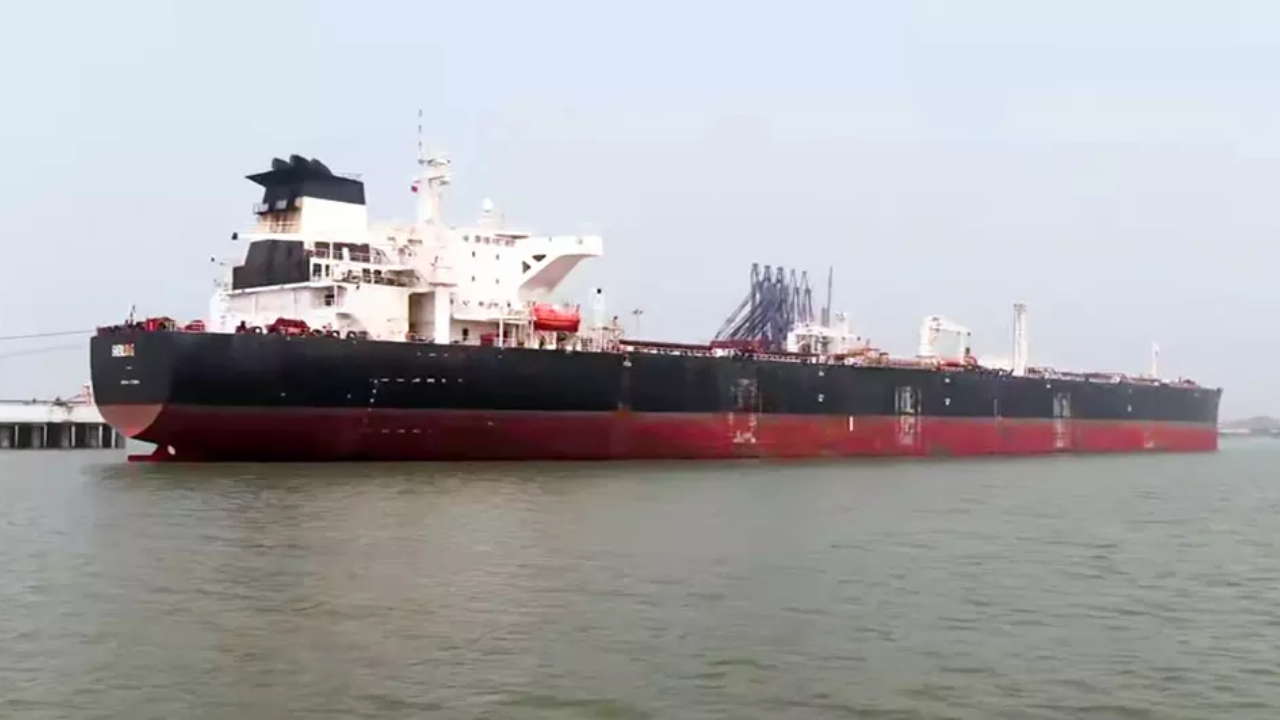
A large oil tanker carrying crude oil from Iran has changed its course, moving away from India and heading toward China instead. This sudden change happened because of disagreements over how the oil would be paid for and the terms of the sale. The ship involved is currently under sanctions by the United States, which makes trading its cargo very difficult for most countries. This event shows the ongoing struggle that nations face when trying to buy energy from sanctioned regions while following international banking rules.
Main Impact
The decision to reroute the tanker has an immediate effect on India’s energy plans. India is one of the world's largest consumers of oil and often looks for affordable sources to fuel its economy. When a shipment like this is diverted, it forces local refineries to look for other suppliers, often at a higher cost. Furthermore, this move strengthens China’s position as the primary buyer of Iranian oil. Because China uses different financial systems, it can often bypass the payment hurdles that stop other countries from completing these deals.
Key Details
What Happened
The tanker was originally scheduled to deliver its cargo to an Indian port. However, as the ship moved through international waters, the sellers of the oil decided to change the destination. Reports indicate that the sellers are no longer willing to offer the same flexible payment options they once did. Instead, they are asking for stricter credit terms that the Indian buyers were not ready to meet. As a result, the ship turned toward Chinese waters, where buyers are more likely to accept the new terms.
Important Numbers and Facts
The vessel in question is part of a group of ships that the United States has officially sanctioned. These sanctions are meant to limit Iran's ability to earn money from its oil exports. While the US sometimes gives temporary permission, known as waivers, for certain countries to buy oil, the financial rules remain very strict. Most international banks refuse to handle money related to these sales because they fear being punished by the US government. This creates a situation where even if a country wants the oil, they cannot find a safe way to pay for it.
Background and Context
To understand why this matters, it is important to know how the global oil trade works. Most oil is bought and sold using the US dollar. Because the US controls the systems that move dollars around the world, they can stop any transaction they do not like. Iran has been under these types of sanctions for many years due to political disagreements with the West. India has traditionally tried to balance its need for cheap energy with its desire to stay on good terms with the United States.
In the past, India and Iran used special systems to trade, such as using local currency instead of dollars. However, as the US has increased pressure, these systems have become harder to use. Sellers are now feeling the pressure too. They want to be paid quickly and securely, which is why they are tightening their credit rules. If a buyer cannot guarantee payment under these new, tougher rules, the sellers simply look for a different buyer who can.
Public or Industry Reaction
Experts in the energy industry say this move was not entirely unexpected. Traders have noticed that Iranian oil sellers are becoming more demanding. They are less willing to wait for payments or take risks with banks that might freeze their funds. Market analysts suggest that this rerouting is a sign that the "easy" days of buying sanctioned oil are ending. Refineries in India are now being more cautious, as they do not want to get caught in a legal battle or face financial penalties for trying to save money on crude oil.
What This Means Going Forward
This event could lead to a long-term shift in where India gets its energy. If payment issues continue, India may move even further away from Iranian oil and rely more on suppliers from the Middle East, Russia, or the United States. For Iran, it means becoming even more dependent on China. China has developed its own ways to pay for oil that do not rely on the US dollar, making them the "buyer of last resort" for sanctioned goods. This trend could change the balance of power in the global energy market, making China a more dominant force in deciding oil prices and trade routes.
Final Take
The rerouting of this tanker is a clear reminder that politics and money are just as important as the oil itself. Even when a country needs fuel, the complex web of international sanctions and banking rules can stop a deal in its tracks. As long as these financial barriers exist, we will likely see more ships changing course as sellers look for the path of least resistance and the surest payment.
Frequently Asked Questions
Why did the oil tanker change its destination?
The tanker changed its route because of payment problems. The sellers demanded stricter credit terms that the original buyers in India could not meet, leading the ship to head to China instead.
Why is it hard to pay for Iranian oil?
It is difficult because the United States has placed sanctions on Iran. Most international banks are afraid to process these payments because they could face heavy fines or be banned from using the US dollar system.
Will this affect gas prices?
While one tanker might not change global prices, a pattern of diverted shipments can make oil more expensive for countries like India, as they have to find more costly alternatives to replace the lost supply.



