
Summary
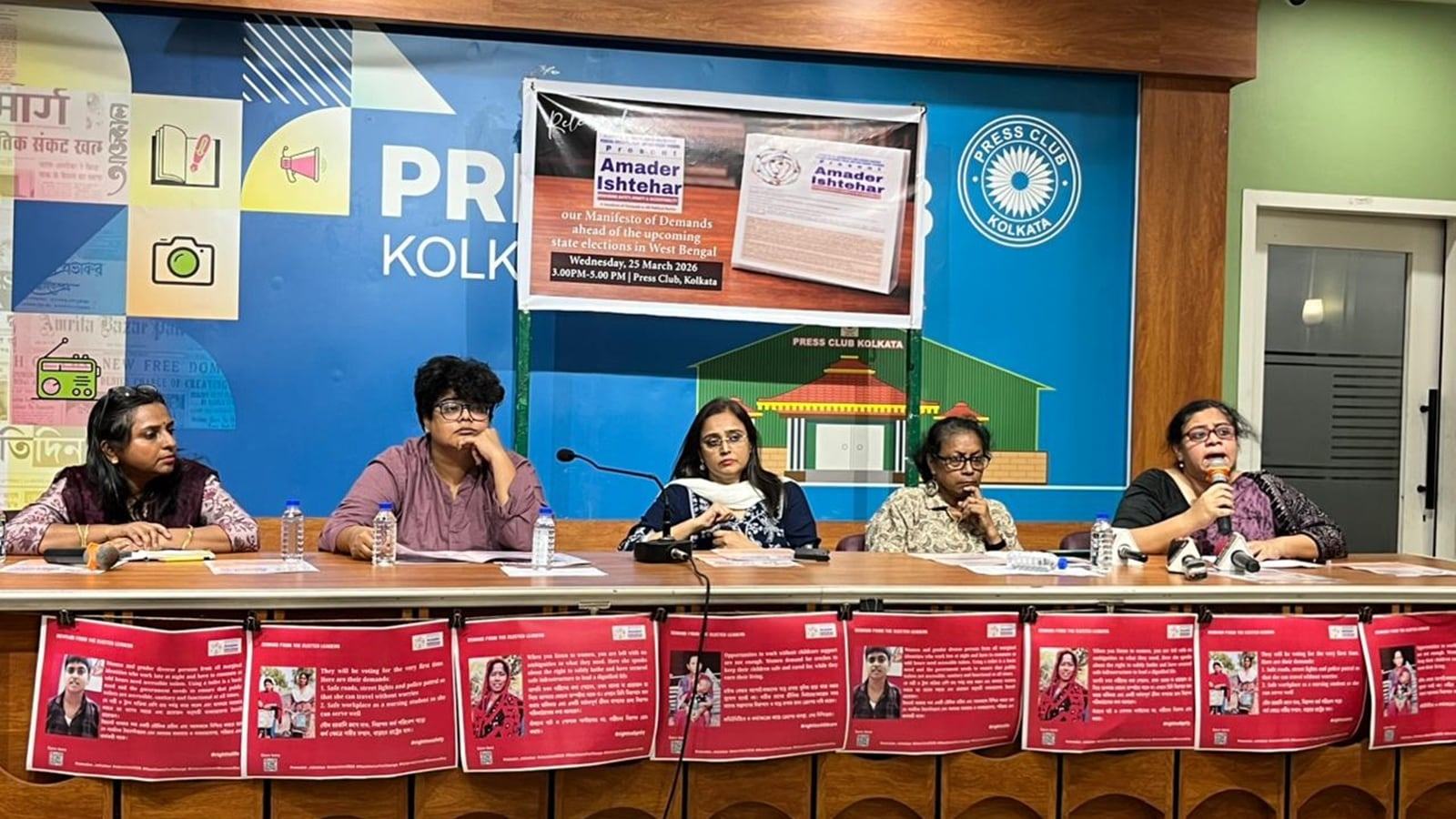
A large group of women and gender-diverse people in West Bengal has joined forces to demand better treatment from political leaders. As the upcoming elections draw near, this collective is calling for three main things: safety, dignity, and accountability. They want to ensure that the people who win the election will take real action to protect their rights and improve their daily lives. This movement highlights a growing need for political parties to focus on the actual needs of citizens rather than just winning votes.
Main Impact
The main impact of this movement is a shift in how voters are talking to politicians. Instead of waiting for parties to make promises, this collective is setting the agenda themselves. They are making it clear that their support depends on whether a party is willing to commit to specific changes. This pressure is forcing political candidates to address issues like gender-based violence and workplace fairness more directly than they have in the past. It shows that women and gender-diverse individuals are becoming a powerful and organized voting group that cannot be ignored.
Key Details
What Happened
The collective, which includes activists, workers, and community members, held a series of meetings to discuss the challenges they face. They shared stories of struggle and success to create a list of demands for the government. The group believes that for too long, their voices have been pushed to the side. By coming together, they have created a unified message that focuses on the basic right to live without fear and to be treated with respect. They are asking for better laws, better police response, and more job opportunities for everyone, regardless of their gender identity.
Important Numbers and Facts
The collective represents thousands of individuals across various districts in West Bengal. They have pointed out that while women make up nearly half of the voting population, their specific concerns are often missing from political manifestos. The group is calling for a significant increase in the number of safe public spaces and better lighting in streets to prevent crime. They also want a clear system to track how government funds are spent on gender-related programs. The movement has gained support from dozens of smaller local organizations, making it one of the most diverse coalitions seen in the region recently.
Background and Context
West Bengal has a long history of political activity, but many people feel that the system has not done enough for marginalized groups. Women and gender-diverse people often face unique problems, such as being paid less for the same work or facing harassment in public places. In recent years, there have been several high-profile cases of violence that have made people feel unsafe. This collective was formed because people felt that individual complaints were not enough to bring about big changes. They realized that by working together, they could have a much stronger influence on the people who make the laws.
Public or Industry Reaction
The reaction to this collective has been very positive among social workers and human rights groups. Many experts say that this is a necessary step toward a more fair society. On social media, many young people are sharing the collective's demands, helping the message reach a wider audience. Some political leaders have acknowledged the demands and promised to look into them. However, many members of the collective remain cautious. They say they have heard promises before and are waiting to see if these words will turn into real actions after the election is over.
What This Means Going Forward
Looking ahead, the success of this movement will depend on how well the next government follows through on its promises. The collective plans to keep monitoring the situation long after the election ends. They want to create a system where they can regularly meet with officials to check on progress. If the demands are met, it could lead to safer cities and more inclusive workplaces. If the demands are ignored, the collective has stated they will continue to organize and protest. This movement is not just about one election; it is about creating a permanent change in how the government treats its citizens.
Final Take
The demand for safety, dignity, and accountability is a call for basic fairness. This collective has shown that when people stand together, they can challenge the status quo and demand a better future. Political parties now have a choice to make. They can either listen to these voices and work toward a safer society, or they can risk losing the trust of a large and determined part of the population. The power of the vote is being used here to demand a life of respect for everyone.
Frequently Asked Questions
What are the three main demands of the collective?
The three main demands are safety from violence, dignity in work and life, and accountability from the government and political leaders.
Who is part of this collective?
The collective is made up of women, gender-diverse individuals, activists, and various community groups from across West Bengal.
Why is this happening now?
The movement is gaining strength now because of the upcoming elections. The group wants to ensure that their needs are included in the plans of the political parties competing for votes.



