
Summary
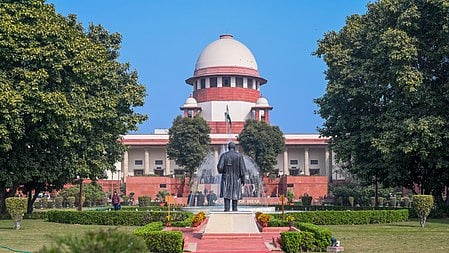
The Supreme Court of India has taken an unusual and direct role in managing the voter list update in West Bengal. This process, known as the Special Intensive Revision (SIR), is meant to ensure the voter rolls are accurate. However, by moving beyond the standard legal framework, the court has sparked a debate about how elections should be managed. This intervention changes the traditional roles of election officials and judges, leading to concerns about how fair and clear the process will be for everyday citizens.
Main Impact
The primary impact of this decision is a shift in power from the Election Commission of India (ECI) to the judiciary. Usually, election officials follow a specific set of laws to decide who can or cannot vote. Now, judicial officers from other states and retired judges are making these decisions. This has created a new, complex system that sits outside the usual rules. Many experts worry that this extra layer of decision-making makes the process harder to understand and may lead to mistakes that prevent eligible people from voting.
Key Details
What Happened
On February 20, the Supreme Court decided to transfer the power of checking voter names to the state judiciary. To speed things up, the court allowed judicial officers from Jharkhand and Odisha to work in West Bengal. These officers have the power to change decisions made by local electoral registration officers. Additionally, the court ordered the creation of special appeal courts, called tribunals, led by retired high court judges. These tribunals are meant to handle complaints from people whose names were removed from the list.
Important Numbers and Facts
The scale of this operation is massive. The Supreme Court ordered the West Bengal government to provide 8,505 state officials to help with the voter revision. Despite the push for speed, there have been significant delays. As of Thursday, April 2, 2026, the special appeal tribunals were still not fully operational. This delay is critical because it leaves many voters in a state of uncertainty while the election timeline moves forward. Furthermore, the court has insisted that any decision to remove a voter must include written reasons that are shared with the person affected.
Background and Context
In India, the Representation of the People Act (RPA) is the main law that governs how voter lists are made. Under this law, there is a clear path for resolving disputes. First, a local officer makes a decision. If a voter disagrees, they can appeal to a district-level authority, and finally to the state’s chief electoral officer. This system is designed to be a clear chain of command within the Election Commission. By bringing in judges to do this work, the Supreme Court has stepped away from this established legal path. This matters because it changes how accountability works in the democratic process.
Public or Industry Reaction
The reaction to these changes has been mixed and filled with concern. Critics argue that the new system is too complicated for the average voter to navigate. There are also worries about transparency. Initially, many voters were excluded from the draft lists without being told why. While the court has now ordered that reasons must be given, the delay in setting up the appeal tribunals has caused frustration. Some legal experts also questioned a comment made by Justice Joymalya Bagchi, who suggested that voters who miss this election could simply vote in the next one. Critics say this goes against the basic right of every citizen to participate in every single election.
What This Means Going Forward
The shift in responsibility has left the Election Commission in a difficult spot. The Commission now views the voter revision as a "judicial process" rather than an administrative one. This could mean that the ECI feels less responsible for the final outcome. Moving forward, the biggest risk is that the tight timeline will not allow enough time for fair appeals. If the tribunals do not start working immediately, thousands of people may lose their right to vote without a proper chance to defend their eligibility. There is also no clear plan for what happens if a voter’s appeal is rejected by these new tribunals.
Final Take
Ensuring a clean and honest voter list is vital for any democracy, but the method used to reach that goal is just as important. By creating a unique system specifically for West Bengal, the court has introduced a level of complexity that may do more harm than good. For a voting system to be trusted, it must be simple, transparent, and follow the laws that everyone understands. The coming weeks will show whether this judicial intervention helped protect the vote or if it created too many hurdles for the people of West Bengal.
Frequently Asked Questions
What is the Special Intensive Revision (SIR)?
The SIR is a detailed process to check and update the list of eligible voters in West Bengal to ensure the upcoming elections are fair and accurate.
Why are judges from other states involved?
The Supreme Court brought in judicial officers from Jharkhand and Odisha to help speed up the process and provide an extra level of oversight on decisions made by local officials.
What happens if a voter is removed from the list?
Voters are supposed to receive a written explanation for their removal. They then have the right to appeal the decision through special tribunals led by retired judges, though these tribunals have faced delays in starting their work.

